Currently, the FDA has no approved drugs for screwworm.“Today we are taking decisive action to safeguard the nation’s food supply from this emerging threat,” said HHS Secretary Robert F. Kennedy, Jr. “This authorization equips FDA to act quickly, limit the spread of New World Screwworm, and protect America’s livestock.”
According to the FDA, its Center for Veterinary Medicine is “working expeditiously with animal drug sponsors to identify potential products and seek to have them approved or otherwise authorized for the prevention or treatment of NWS myiasis.”
Initially eradicated from North America decades ago, the parasite has reemerged, spreading north since 2022 and approaching the U.S.–Mexico border. Officials warn it poses a growing threat to livestock and food supplies, with potential impacts on animal health and national security.
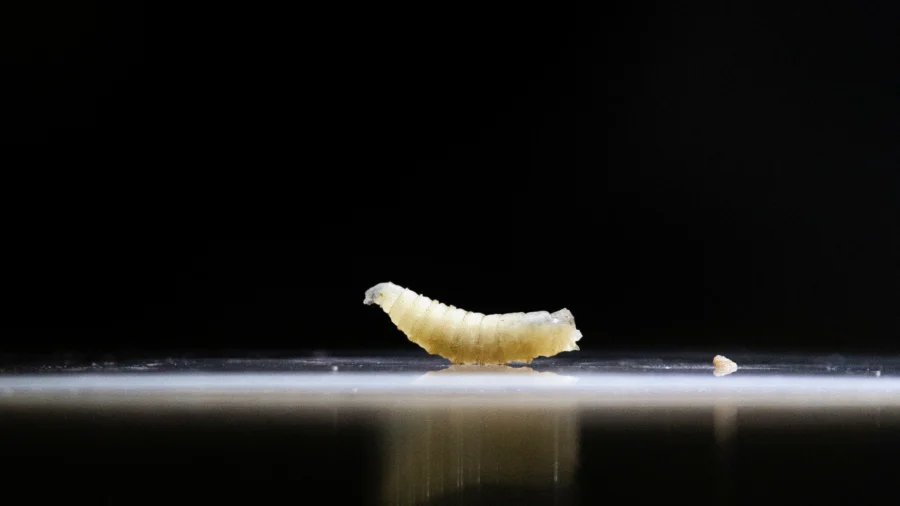
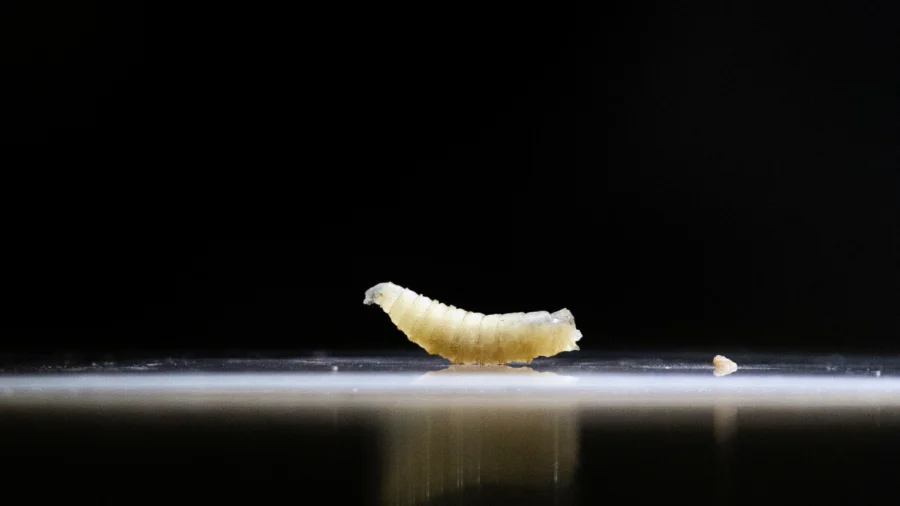
Screwworms lay eggs in open wounds on warm-blooded animals. Larvae then burrow into flesh, enlarging wounds and producing a foul odor and bloody discharge. Severe infestations can kill livestock or, rarely, humans. Females can lay up to 3,000 eggs. Adult flies are metallic blue-green with a reddish-orange head and are larger than houseflies.
To combat the threat, the USDA has been using sterile male flies to collapse populations. The United States currently imports 100 million sterile flies per week from Panama and funds facilities in Mexico and Texas.
“Our priority is to safeguard both animal health and the nation’s food supply,” said FDA Commissioner Marty Makary. “FDA is acting swiftly and responsibly to help ensure we have the necessary tools to prevent and control New World Screwworm, minimizing risks to agriculture and public health.”Secretary of
Secretary of Agriculture Brooke Rollins praised HHS Secretary Kennedy and FDA Commissioner Makary for supporting the fight against New World Screwworm. “This emergency use authorization is another tool we can use in the fight against New World Screwworm,” said Rollins.
“Our cattle ranchers and livestock producers are relying on the Trump Administration to defend their livelihoods,” adding that stopping the pest is a national security priority. “We are linking arms across President Trump’s cabinet to defend our borders and push back this threat,” Rollins said.
Health officials urged ranchers, pet owners, and veterinarians to remain alert. Livestock with foul-smelling wounds, restlessness, or maggots near eyes, ears, or open cuts should be reported immediately. Early detection is critical, and humans with suspicious wounds after travel in affected regions should seek medical attention.
Treatment includes cleaning wounds, applying effective medications, and removing larvae manually. Veterinarians are required to report confirmed cases to animal health authorities. Officials stressed that prompt detection and reporting are essential to protect herds, pets, and the food supply.