Published on August 24, 2026 |

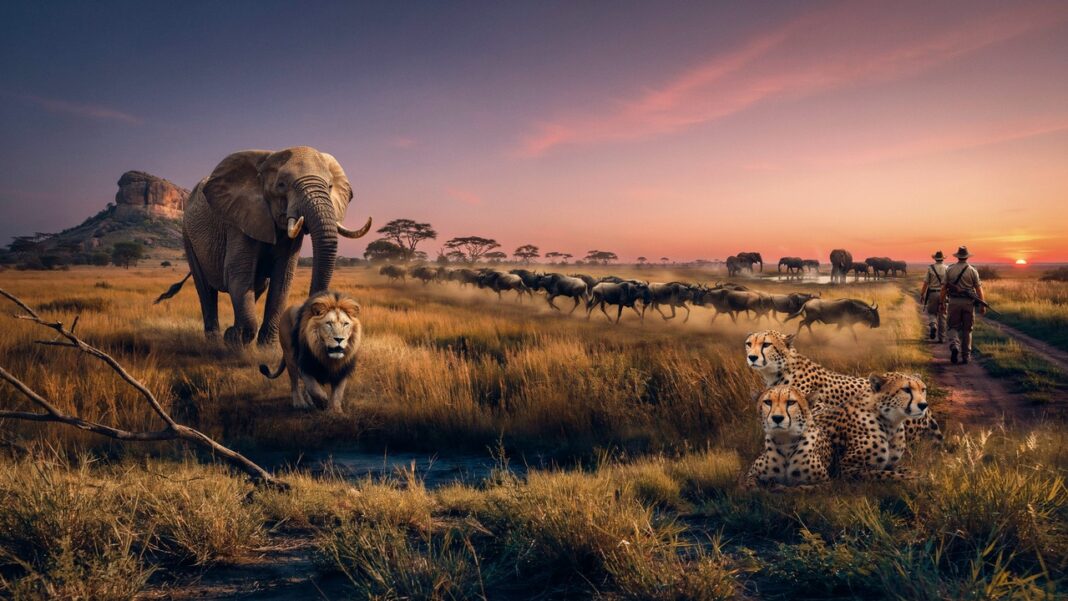
Image generated with Ai
Kruger Leads Africa’s Top Five Safari Destinations for Autumn and Winter Travel in 2026, Ahead of Serengeti, South Luangwa, Hwange and Maasai Mara as Wildlife Tourism Gains Global Attention Kruger National Park leads the top five autumn and winter safari destinations for 2026, with Serengeti, South Luangwa, Hwange and Maasai Mara following as global travellers seek wildlife, conservation and value.
Kruger National Park leads the 2026 autumn and winter safari ranking, combining exceptional wildlife viewing, strong infrastructure, broad accommodation options and competitive ground travel for visitors.Serengeti National Park ranks second, offering extraordinary wildlife density and seasonal Great Migration activity, although higher conservation costs and air-transfer requirements affect accessibility. South Luangwa ranks third for travellers seeking immersive walking safaris, while Zambia’s conservation-led tourism model adds depth to the destination’s growing international wildlife appeal.Zimbabwe’s Hwange ranks fourth and stands out in September and October, when dry conditions and managed waterholes can create remarkable elephant concentrations and compelling wildlife encounters.Kenya’s Maasai Mara completes the top five, reinforcing East Africa’s strength in wildlife tourism while offering international travellers an iconic safari experience and convenient regional access.
Autumn and winter travel is increasingly giving travellers a reason to look beyond Europe’s traditional city breaks and warm-weather escapes. Africa is emerging as a compelling alternative, with its national parks offering changing landscapes, concentrated wildlife and distinctive seasonal experiences between September and December. Holafly’s first Autumn/Winter Safari Destination Index places Kruger National Park in South Africa at number one, followed by Serengeti National Park in Tanzania, South Luangwa National Park in Zambia, Hwange National Park in Zimbabwe and Maasai Mara National Reserve in Kenya. The ranking considers wildlife density, seasonal suitability, accessibility and conservation credentials, giving tourism a practical framework for late-year travel planning.
Why is Kruger the leading safari destination?
Kruger has secured the top position because it performs strongly across the practical factors that can determine whether a safari is enjoyable, affordable and straightforward. The park combines extensive wildlife habitat with established roads, several regional airport options and a broad accommodation base, reducing the need for costly internal air transfers while giving visitors greater choice over how they experience the destination.
Advertisement
Advertisement
For travel planners, that combination is particularly significant because a spectacular wildlife destination still needs to be accessible to international visitors. Kruger’s scale also allows different tourism products to operate alongside each other, ranging from public accommodation and self-drive experiences to private safari lodges, creating flexibility for travellers with different budgets and expectations.
How does the September to December season change the safari experience?
The September-to-December period offers two markedly different sides of African wilderness, making the season especially attractive for travellers who want to see an ecosystem changing before them. September and October generally retain the characteristics of the dry season, when vegetation is thinner and animals can become easier to locate around increasingly important water sources, while November and December begin the transition towards greener conditions.
That seasonal contrast adds another dimension to tourism because travellers are not simply visiting a static landscape. Instead, they can encounter the final stages of the dry period before rainfall transforms the environment, bringing renewed vegetation and changing wildlife behaviour, making autumn and winter travel particularly appealing for nature-focused visitors.
Why does Serengeti remain a powerful rival to Kruger?
Serengeti National Park ranks second and remains one of the strongest choices for travellers who prioritise spectacular wildlife movement over logistical simplicity. The park forms part of the wider Serengeti-Mara ecosystem, and the movement of huge wildebeest and zebra herds towards the southern plains during the latter part of the year adds a dramatic seasonal dimension to the safari experience.
Advertisement
Advertisement
However, the index places Serengeti behind Kruger because accessibility and cost matter alongside wildlife quality. Conservation charges can be substantial, while some safari itineraries rely on light aircraft transfers, increasing the overall logistical burden, although those factors do not diminish the destination’s extraordinary wildlife appeal.
What makes South Luangwa different?
South Luangwa National Park takes third place and offers a different interpretation of African safari tourism, particularly for visitors attracted to walking experiences and conservation-led travel. Zambia’s park is known for immersive wilderness encounters, allowing travellers to experience the landscape beyond the conventional vehicle-based game drive.
Its position is significant because it demonstrates that safari tourism is becoming more diverse rather than simply concentrating around the continent’s most famous migration destinations. Travellers increasingly want experiences that feel intimate, educational and connected to local ecosystems, and South Luangwa can meet those expectations while providing a distinctly different experience from Kruger or Serengeti.
Why should travellers consider Hwange in September and October?
Hwange National Park ranks fourth and is particularly compelling during the latter part of the dry season, when water availability becomes an important driver of wildlife movement. Managed waterholes can attract substantial concentrations of elephants and other animals, creating strong opportunities for wildlife observation while the surrounding landscape remains dry and open.
The destination also offers a potentially strong value proposition within Southern African tourism, particularly when compared with some higher-priced safari markets. Its regional proximity to Victoria Falls can further support combined itineraries, allowing travellers to pair a wildlife-focused holiday with one of the continent’s most celebrated natural attractions.
Why does Maasai Mara complete the global top five?
Maasai Mara National Reserve occupies fifth place and maintains its position as one of Africa’s best-known wildlife destinations. Its importance to international tourism comes from its exceptional wildlife environment and its connection to the broader Serengeti-Mara ecosystem, giving travellers another opportunity to experience the dramatic movements associated with East Africa’s wildlife calendar.
The reserve is also relevant for travellers who value comparatively straightforward access to a major safari destination through Kenya. For North American travellers, Holafly’s separate ranking places Maasai Mara second, behind Kruger, while the overall global ranking keeps it fifth among the five destinations assessed.
Which five destinations lead the 2026 ranking?
The global ranking places five major African wildlife destinations at the forefront of autumn and winter safari travel. Kruger takes first place, followed by Serengeti, South Luangwa, Hwange and Maasai Mara, creating a list that spans Southern and East Africa and reflects different approaches to wildlife tourism.
Top five global safari destinations for autumn and winter 2026:
- Kruger National Park, South Africa
- Serengeti National Park, Tanzania
- South Luangwa National Park, Zambia
- Hwange National Park, Zimbabwe
- Maasai Mara National Reserve, Kenya
The ranking is particularly useful because it does not simply identify the destination with the greatest wildlife spectacle. Instead, it considers the wider travel equation, including seasonal conditions, access, conservation and the practical factors that influence the quality and cost of a safari holiday.
Where should Australian travellers go for an autumn or winter safari?
Australian travellers face a different planning equation because the journey to Africa can involve substantial flight times and multiple connections. Holafly’s Australia-focused ranking therefore puts greater emphasis on transit arrangements, with Kruger first, Hwange second, South Luangwa third, Serengeti fourth and Maasai Mara fifth.
Kruger benefits from the broader connectivity available through Johannesburg, while Hwange can be reached through regional links around Victoria Falls. South Luangwa also appeals to travellers seeking a more immersive walking safari, showing how Australian tourism demand can combine logistical considerations with a desire for distinctive wilderness experiences.
What does the ranking reveal about safari tourism?
The ranking points to a wider change in travel behaviour as travellers increasingly seek nature, conservation and experiences that offer a stronger sense of place. Rather than viewing autumn and winter solely as seasons for Christmas markets, city breaks or beach holidays, international visitors can use the September-to-December period to experience changing African ecosystems.
For the tourism industry, that creates opportunities to promote Africa beyond a single peak safari season. Different destinations can appeal at different points in the year, allowing travel companies, tour operators and accommodation providers to develop more targeted itineraries around dry-season wildlife, migration movements, green-season landscapes and conservation experiences.
Anup Kumar Keshan, Founder and Editor-in-Chief, Travel And Tour World says
“Safari travel has become much more than a search for iconic wildlife; it is now an important part of the global tourism conversation around conservation, nature and meaningful destination experiences. This ranking demonstrates why Africa remains so powerful for travellers seeking something beyond conventional seasonal holidays. Kruger’s first-place position is particularly understandable because accessibility, infrastructure and accommodation choice can make an exceptional wildlife experience easier to reach and enjoy. At the same time, Serengeti, South Luangwa, Hwange and Maasai Mara demonstrate the extraordinary diversity of Africa’s tourism offering. Together, these destinations show how well-planned safari travel can combine discovery, environmental awareness and memorable experiences.”
The growth of autumn and winter safari travel reflects a wider desire for nature, wildlife and experiences that feel different from conventional seasonal holidays. Kruger leads the 2026 index because it combines strong wildlife opportunities with infrastructure, connectivity, accommodation choice and practical accessibility. Serengeti follows with its exceptional migration appeal, while South Luangwa offers immersive walking experiences, Hwange excels during the dry season and Maasai Mara retains its position as an East African wildlife icon. Together, the five destinations demonstrate the breadth of African tourism. Their contrasting ecosystems and seasonal characteristics give travellers multiple reasons to choose safari travel between September and December.
Frequently Asked Questions
Which is the best safari destination for autumn and winter 2026?
Kruger National Park in South Africa ranks first in Holafly’s 2026 Autumn/Winter Safari Destination Index.
What are the five best safari destinations?
The five destinations are Kruger, Serengeti, South Luangwa, Hwange and Maasai Mara.
Which destination is best for September and October?
Hwange is particularly attractive during September and October because the dry season can concentrate wildlife around available water sources.
Is Serengeti suitable for late-year safari travel?
Yes. November and December can coincide with the movement of wildebeest and zebra towards the Serengeti’s southern plains as the ecosystem transitions towards the next calving period.
Which safari ranks first for Australian travellers?
Kruger ranks first for Australian travellers, followed by Hwange, South Luangwa, Serengeti and Maasai Mara.
Advertisement
Advertisement