Published on
August 19, 2025

This year, more vacationers are choosing cooler, quieter spots over busy summer favorites in Europe. People are looking for a fresh breeze by the coast or in the foothills, timing trips for milder spring and glowing autumn rather than the sweltering summer. Heat in the news, mountain lakes looking cleaner, and autumn leaves glowing orange are persuading even the biggest sun-seekers that there are smarter options.
Hot weather and roaring wildfires drive the change, and towns and hotels are already reshaping plans extra hiking or biking gear, new autumn wine or shellfish tours to welcome the fresh wave. Salad days are shifting and to keep the crowds, brochures are bursting with ski-lodge charm, tucked away lakes, and tear-shaped vineyards that sparkle after summer’s flame. Climate keeps redefining the calendar, rewarding early planners and chill explorer.
The trend of ‘coolcations’—a blend of “cool” and “vacation”—has become a significant factor in vacation planning. This shift comes as record-breaking heatwaves impact regions such as Spain, Portugal, and Greece, with temperatures soaring above 40°C (104°F), leading to widespread wildfires. The fires have displaced thousands of people and caused infrastructure disruptions in popular tourist spots.
Changing Climate and Tourism Patterns
Globally, the climate crisis has made extreme heatwaves more frequent, primarily due to the burning of fossil fuels. Jenny Southan, CEO of travel trend agency Globetrender, emphasizes that the summer of 2025 marks a pivotal point for European tourism. The situation is a clear indication that no destination is immune to climate challenges. Wildfires have devastated parts of Spain, with emergency teams battling flames across regions. This ongoing situation underscores the vulnerability of southern European destinations to extreme weather patterns.
Even countries known for their cooler climates, like the Nordic nations, have been affected by unusually high summer temperatures. Cities such as Oslo, Helsinki, and Stockholm have experienced heat unlike previous years, challenging the once-reliable perception that northern Europe provides a haven from summer heat.
As a result, more tourists are changing their travel habits. They are shifting away from the most affected areas and exploring cooler destinations, particularly coastal and mountainous locations. There is also an emerging interest in spring and autumn vacations, which allow travelers to avoid the intense summer heat while still enjoying pleasant weather.
The Rise of Off-the-Beaten-Path Destinations
Travel data from the European Travel Commission (ETC) reveals that tourists in 2025 are increasingly opting for off-the-beaten-path destinations. The influx of travelers to popular spots has prompted many to seek quieter alternatives. Popular tourist destinations like the Mediterranean beaches are no longer the sole focus for vacationers, who are instead choosing places that provide not only comfortable temperatures but also authentic and enriching experiences.
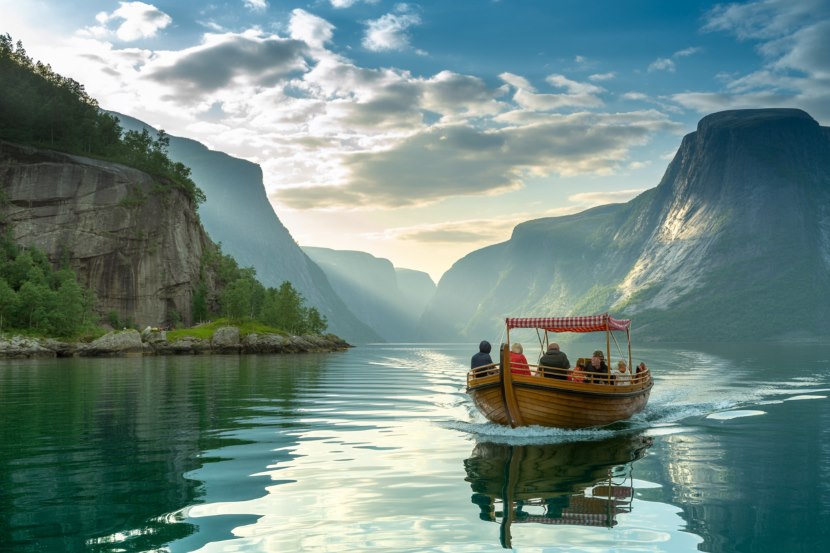
Countries in northern Europe, such as Iceland, Norway, and Sweden, are benefiting from the coolcation trend. These destinations offer a chance for tourists to enjoy nature and cultural experiences while avoiding the sweltering heat of southern Europe. Other countries like Slovenia are also seeing an increase in visitors due to their cooler, higher-altitude locations.
The Impact on Southern European Tourism
The trend of coolcations could have significant economic consequences for traditional southern European tourist hotspots. Countries such as Spain, Greece, and Portugal rely heavily on tourism, with this sector accounting for a large share of their GDP. However, the shift in vacation patterns suggests that southern Europe may need to adapt to the changing climate.
While tourist interest in Nordic destinations has increased, some traditional sun destinations like Greece and Spain continue to dominate the tourism market. Reports from TUI, Europe’s largest tour operator, show that while Nordic countries are gaining popularity, the demand for Mediterranean sun and beach vacations remains strong.
Portugal’s Response to Tourism Shifts
Portugal, in particular, has worked hard to adapt to climate challenges. Despite the occasional wildfire in northern and central regions, the country’s tourism infrastructure has remained resilient. The national tourism authority, Turismo de Portugal, assures that measures are in place to mitigate the impact of these wildfires on travelers. Airports and other tourist hotspots are operating smoothly, with no major disruptions reported.
Portugal remains a popular summer destination, with the country’s vast coastline and rich cultural offerings continuing to attract visitors. The tourism sector has managed to keep up with the evolving demands of travelers seeking more sustainable and climate-resilient experiences.
Looking Ahead: A Climate-Resilient Future for Travel
Looking toward the future, the coolcation trend is expected to continue. As climate change affects regions that were once considered safe from extreme heat, destinations will need to invest in climate-resilient infrastructure. This includes creating shaded public spaces, designing heat-adaptive hotels, and establishing wildfire prevention strategies.
In the coming years, we may see a shift in peak tourist seasons for Mediterranean destinations. The traditional summer months of July and August could become a “climate risk zone,” with more travelers choosing to visit during the shoulder seasons of May, June, September, and October.
Meanwhile, northern European destinations, once considered niche summer getaways, may face their own challenges with overtourism. As hotter summers drive demand, countries like Norway, Sweden, and Iceland could experience increased pressure on their infrastructure and natural sites.
For the travel industry, adapting to these changes is essential for long-term sustainability. It will be critical for businesses and governments to work together to ensure that the tourism sector can thrive in a changing climate.
Overview
The rise of “coolcations” shows how vacations are changing. As wild weather feels more normal, vacationers are searching for spots that come with milder temps and emptier beaches. This new trend is shaking up how Europe does tourism and is forcing popular summer getaways to rethink their future.
While places in southern Europe are grappling with heat, northern cities and countryside are suddenly the stars of the show. Tourists are seizing the chance to try the fjords, coastal towns, and even the lush highlands. The travel industry also feels the pressure, now needing to weave in sustainability, climate smart planning, and the latest traveler wishes. Keep that balance and Europe’s regions can keep their charm—ensuring that future vacationers are just as drawn to their shores.