Published on
March 4, 2026

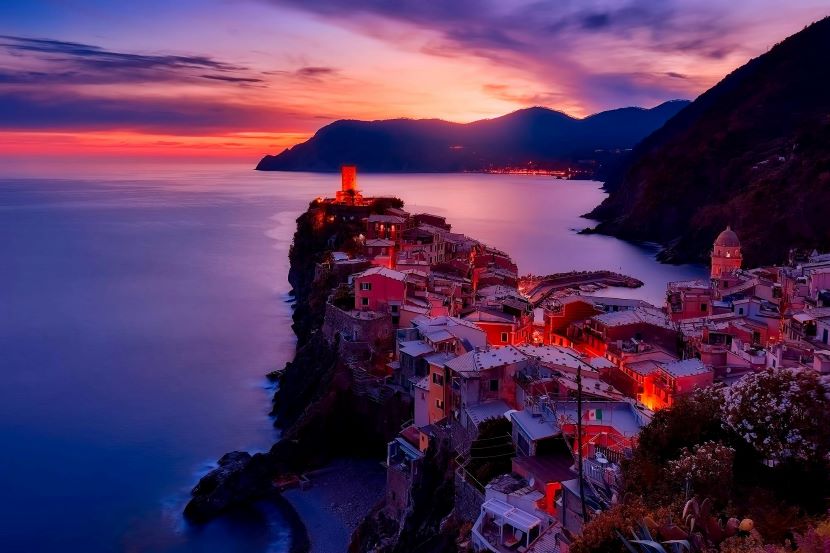
Image generated with Ai
The international stage of ITB Berlin is currently being utilized as a premier platform for the unveiling of Italy’s latest advancements in the travel sector. A significant emphasis is being placed on the German market, which has historically remained one of the most vital demographics for Italian hospitality and regional economic growth. As the gates of the world’s leading travel trade show opened, a sophisticated narrative regarding digital-ready tourism was presented by Italian delegates, signaling a transition toward a more technologically integrated visitor experience.
In this prestigious setting, the unique cultural and geographical assets of Italy are being highlighted to attract a new generation of travelers. It is observed that the traditional charm of the Mediterranean is being harmonized with modern infrastructure to ensure that the needs of contemporary explorers are met. The strategic positioning of the Italian pavilion suggests that a high value is placed on maintaining a competitive edge within the European travel landscape.
Sardinia’s Strategic Appeal to German Travelers
A spotlight is being shone directly on the island of Sardinia, which has emerged as a focal point of the Italian presence in Berlin. It is recognized that the German audience possesses a deep-rooted appreciation for the rugged beauty and coastal elegance of this specific region. Consequently, a dedicated effort is being made by Sardinian representatives to reinforce these existing ties while introducing fresh incentives for year-round visitation.
The natural landscape of the island is being promoted not merely as a summer destination but as a versatile sanctuary for those seeking authenticity and tranquility. Through the participation in high-level discussions and networking events, the diverse offerings of the Sardinian interior are being brought to the attention of international tour operators. It is noted that the allure of the emerald coastline is being supplemented by a focus on rural traditions, archaeological significance, and the renowned longevity of the local population.
Advertisement
Advertisement
The Integration of Digital Solutions in Modern Travel
A core theme identified during the proceedings is the implementation of digital-ready tourism frameworks across the Italian peninsula. It is understood that the modern traveler demands seamless connectivity, from the initial booking phase to the physical navigation of a destination. To address this, various technological tools are being showcased, which are designed to simplify the logistics of travel while enriching the educational aspect of the journey.
Smart applications and interactive platforms are being deployed to provide real-time information regarding local heritage sites, transportation schedules, and eco-friendly services. By adopting these innovations, the Italian tourism sector is being transformed into a more accessible and efficient ecosystem. The shift toward a digital-first approach is intended to reduce the friction often associated with international travel, thereby fostering a more inviting environment for visitors from Germany and beyond.
Advertisement
Advertisement
Sustainability and Environmental Stewardship
Within the context of the presentations at ITB Berlin, the concept of sustainability is being treated with the utmost priority. It is acknowledged that the preservation of natural resources is essential for the long-term viability of the tourism industry. As a result, initiatives aimed at reducing the carbon footprint of travelers are being highlighted as central components of the Italian strategy.
In Sardinia, specifically, eco-conscious hospitality practices are being promoted to align with the values of the environmentally aware German market. The development of green corridors, the promotion of cycling tourism, and the support of local organic supply chains are being cited as evidence of this commitment. It is argued that by protecting the pristine environment of the island, a more premium and meaningful experience is being created for the guest.
Strengthening Bilateral Tourism Relations
The presence of Italian officials at the Berlin event is viewed as a clear indication of the importance of the relationship between Italy and Germany. Historical data indicates that German tourists represent a significant portion of the total arrivals in Italy, contributing substantially to the national economy. Therefore, the engagement at ITB Berlin is being utilized to solidify these bonds through the signing of new agreements and the strengthening of existing partnerships.
Collaborative efforts between German travel agencies and Italian regional boards are being facilitated to ensure that marketing campaigns are tailored to the specific preferences of the German public. It is observed that a preference for high-quality service, cultural depth, and structured itineraries is being addressed through these professional synergies. The dialogue established in Berlin is expected to yield a significant increase in seasonal bookings for the upcoming year.
The Cultural Resonance of the Italian Brand
Beyond the technological and economic aspects, the cultural identity of Italy is being projected with great clarity. The concept of the Italian lifestyle, characterized by culinary excellence and artistic heritage, is being used as a powerful tool for engagement. It is suggested that the emotional connection felt by travelers toward the Italian way of life remains a primary driver for repeat visits.
Artisanal craftsmanship and regional gastronomy are being featured as integral parts of the tourism product. By showcasing these elements, the narrative is being shifted away from mass tourism toward a more curated and respectful engagement with local communities. The visitors at ITB Berlin are being invited to discover the hidden gems of the Italian regions, which are being presented as repositories of ancient wisdom and modern creativity.
Future Perspectives for Mediterranean Destinations
As the event continues, the future trajectory of Mediterranean tourism is being shaped by the insights shared among industry leaders. It is anticipated that the trends identified in Berlin, such as the rise of remote work tourism and the demand for wellness-centric travel, will influence the development of new infrastructure in Sardinia and other Italian regions. The readiness of the Italian market to adapt to these shifts is being demonstrated through a series of forward-looking projects.
Investment in high-speed internet in rural areas and the renovation of historic buildings into boutique accommodations are being presented as part of a broader vision. This vision involves the creation of a balanced tourism model that benefits both the visitor and the host community. The success of the Italian showcase at ITB Berlin is being measured not only by the immediate interest generated but by the long-term sustainability of the strategies being implemented.
Conclusion of the Berlin Engagement
The conclusion of the initial presentations has left a positive impression on the international community. The proactive stance taken by Sardinia and the wider Italian delegation is being interpreted as a sign of a robust and resilient tourism sector. By focusing on the German market with a blend of tradition and digital innovation, Italy is being positioned as a leader in the global travel recovery.
The insights gained from ITB Berlin will be taken back to the regional administrations to further refine the tourism offering. It is believed that the groundwork laid during this event will lead to a prosperous season characterized by high satisfaction levels and a deeper appreciation for the multifaceted beauty of Italy.