Published on
August 29, 2025
By: Tuhin Sarkar
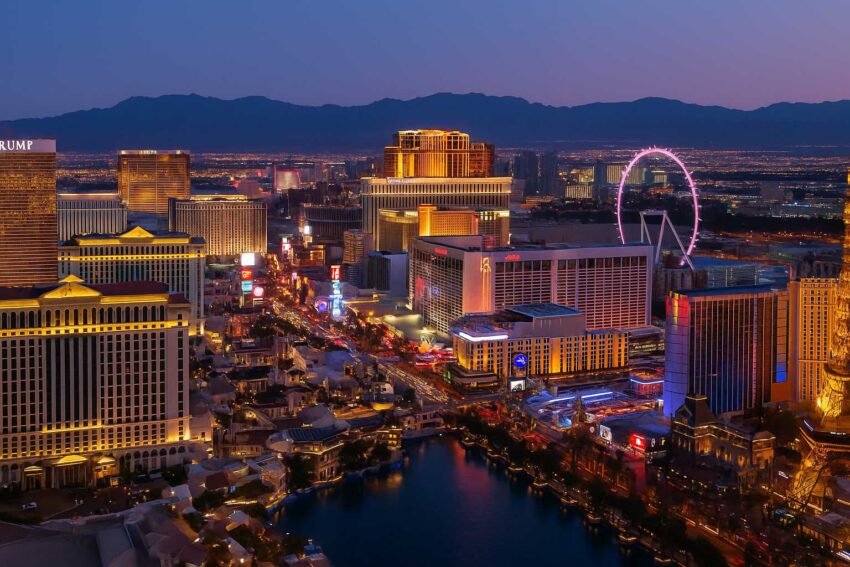
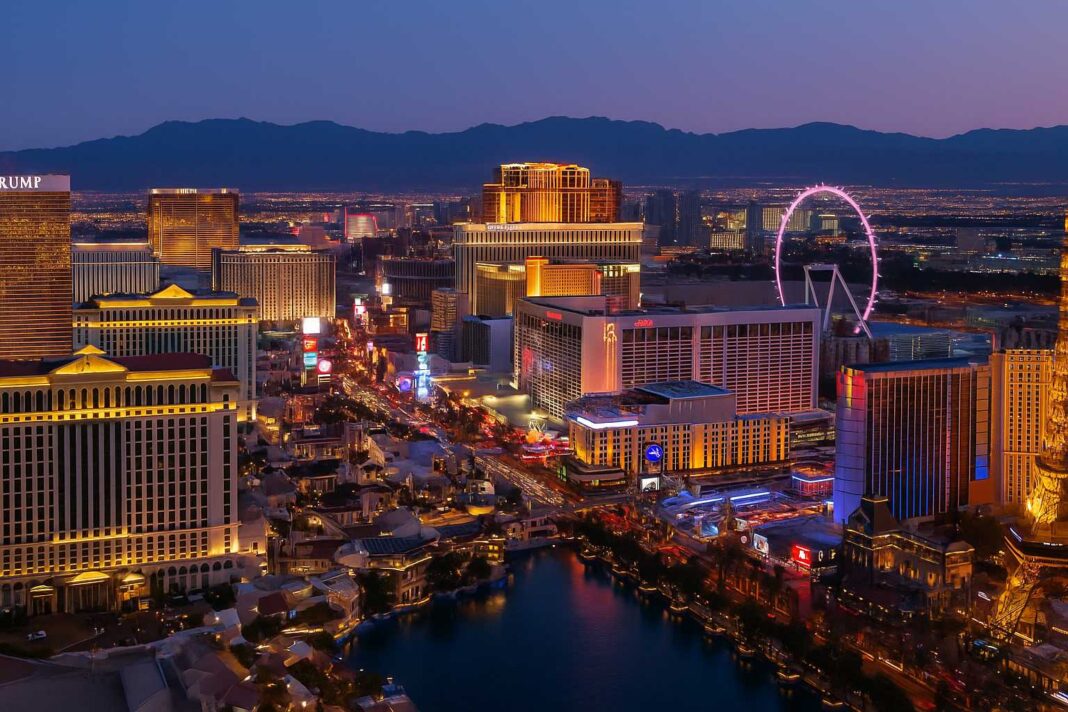
Las Vegas competes Atlantic City, New Orleans, Biloxi, and Detroit in a high-stakes race to capture the attention of travellers this American Labor Day weekend. With luxury hotels, casinos, and events at the centre, these destinations are showcasing their best to welcome tourists from the US, Canada, Mexico, and Brazil. The long weekend has always been a key driver for leisure travel, and this year is no exception. Las Vegas competes Atlantic City and other rivals with powerful offers, glittering shows, and irresistible nightlife. At the same time, New Orleans blends culture and music, Biloxi shines with beachside casinos, and Detroit highlights entertainment and sports.
Tourists from the US, Canada, Mexico, and Brazil are looking for experiences that combine comfort, value, and excitement. Luxury hotels in Las Vegas competes Atlantic City with top-class services, while Biloxi and New Orleans bring unique regional flavours. Detroit joins the list with events that draw crowds across borders. Casinos are buzzing, and travellers are keen to spend on gaming, dining, and entertainment. As Las Vegas competes Atlantic City, New Orleans, Biloxi, and Detroit, the competition for global tourists grows sharper. The American Labor Day weekend has become a test of how these cities can balance tradition and innovation. With luxury hotels, casinos, and headline events, the race is shaping the tourism map for the season.
Labour Day in the United States is one of the busiest travel weekends of the year. In 2025, it is setting records once again. More than 17 million passengers are moving through airports between Thursday and Monday. Friday is the single busiest day. Security checks are longer, but airports are managing the flow.
Hotels and flights are cheaper than last year. Analysts say that an average hotel in the US costs around 237 dollars per night in summer, with higher prices during holiday weekends. Domestic airfares are also lower, which is attracting more families to fly instead of drive. Petrol is the cheapest since 2020, averaging around 3.15 dollars per gallon. That makes road trips more affordable. Weather is a concern in some states, with Texas facing flood warnings. Travellers are advised to check updates before setting out.
Labour Day marks the end of the summer season. It is a key period for nightlife and casino destinations. Las Vegas, Atlantic City, New Orleans, Miami, New York, Biloxi, and Detroit all expect strong demand. Yet the numbers show that not every city is growing. Some markets are seeing a fall in visitors or hotel rates. Others are booming thanks to events, gaming, and festivals.
| City & State | Casino Highlights | Nightlife/Niche Features |
|---|---|---|
| Las Vegas, NV | Mega casinos, top gaming revenue | Iconic clubs, shows, and tourism (though visitor dips) |
| Atlantic City, NJ | Casinos + boardwalk, strong online gaming gains | Shoreline nightlife, beach clubs |
| Detroit, MI | Three major casinos + Greektown entertainment | Growing bar/dining scene, rebounding tourism |
| Chicago, IL | Top casino ranking, multiple regional venues | Urban nightlife hub |
| Pittsburgh, PA | Top-ten casino city | Local entertainment venues |
| Thackerville, OK | WinStar—largest casino in the U.S. | Resort-style amenities, golf, massive entertainment |
| Harvey, LA | Boomtown riverboat casino | Local nightlife, Second City charm |
| Bristol, VA | Hard Rock Bristol (new) | Casino + outdoor concert venue |
| Cleveland, OH | Jack Cleveland Casino in central area | Downtown access to restaurants, theatres |
Las Vegas Faces Lower Visitors but Strong Gaming
Las Vegas remains the capital of nightlife and casinos in America. Its Strip is lined with mega clubs, bars, and luxury hotels. But 2025 is a mixed year for the city. Visitor volume in the first half of the year fell by more than seven per cent compared to 2024. In June, only 3.09 million visitors came, down over eleven per cent. Hotel occupancy dropped to 78 per cent. The average daily rate stood at 163 dollars, while revenue per available room was 128 dollars.
Despite fewer visitors, gaming revenue is still growing. In June, casinos in Clark County posted a 3.5 per cent rise in gaming wins compared with last year. On the Strip itself, growth was close to one per cent. This shows that while fewer tourists came, those who visited spent more on gambling. The average gambling loss per visitor in 2024 was a record 820 dollars. That trend is continuing.
Room tax remains unchanged at 13.38 per cent on the Strip. The concern for officials is not higher taxes but softer revenues from lower demand. For travellers, this means that mid-week stays and off-peak dates may be more affordable. Nightlife clubs are offering more promotions to keep demand steady.
Atlantic City Holds Steady with Strong Casino Play
Atlantic City is the East Coast’s casino hub. In July 2025, the city’s gaming revenue rose more than ten per cent year on year to over 600 million dollars. Internet gaming added strength to the numbers, showing that digital betting continues to support brick-and-mortar casinos.
Hotels show a different picture. In the first quarter of the year, the average room rate was 159 dollars, with occupancy at 62 per cent. By the second quarter, occupancy had risen to 72 per cent. That is a sign that summer demand is stronger, but the city still struggles to match its pre-pandemic highs.
Taxes in Atlantic City are complex. A state occupancy fee of five per cent applies, plus a municipal fee of up to three per cent. In addition, there is a luxury tax of nine per cent on hotel rooms. With these combined, visitors pay a significant premium on their stays. These taxes have not changed in 2025, but they continue to shape traveller budgets.
New Orleans Shows the Power of Culture and Nightlife
New Orleans is different from Las Vegas or Atlantic City. Its brand is built on music, food, festivals, and a vibrant nightlife. Casinos are part of the mix, with Caesars New Orleans leading the way. In the financial year 2025, Caesars recorded around 240 million dollars in gaming revenue, which is flat compared with the previous year.
Where New Orleans excels is visitor numbers and spending. In 2024, the city welcomed over 19 million visitors. They spent more than 10 billion dollars, an increase of over eight per cent on the year before. These visitors filled hotels during Mardi Gras, when occupancy peaked at 97 per cent in the French Quarter. In 2025, the trend is continuing. Tourism officials say that nightlife and festivals are driving not just spending but also the city’s global reputation.
For Labour Day, New Orleans is expected to perform strongly. Bars, jazz clubs, and street festivals are key attractions. International visitors add to the mix, although currency changes are affecting some markets, such as Canada.

Biloxi and the Mississippi Gulf Coast Stay Stable
The Gulf Coast of Mississippi, with Biloxi at its centre, is another important casino market. In 2025, the region is showing stable results. Overall gaming revenue is slightly down, less than one per cent compared with last year. In March, Biloxi casinos earned over 100 million dollars. The region has a loyal base of domestic travellers who come by car from nearby states.
Biloxi offers more than gaming. Its beaches, seafood, and nightlife attract visitors looking for a mix of leisure and play. Labour Day is one of the busiest weekends, with regional tourists driving demand. Room rates here are generally lower than in Las Vegas or Atlantic City, which makes it attractive for value-seeking travellers.
Detroit Adds Casinos to its Nightlife Revival
Detroit is known for music, sports, and a growing restaurant scene. It also has three downtown casinos. In July 2025, Detroit casinos generated 107 million dollars in revenue. In May, the number was higher at 114 million. Slots and table games account for most of this income.
The city is using its casino base to grow tourism. Nightlife districts are seeing new investment, with bars and clubs targeting younger travellers. Detroit benefits from strong regional drive-in markets, particularly from Michigan and neighbouring states. It is not a traditional holiday destination, but Labour Day boosts its appeal.
New York and Miami Stay as Nightlife Giants
Not all nightlife cities are casino hubs. New York and Miami dominate the non-casino scene. In 2025, New York expects 64 million visitors, although that is lower than earlier forecasts. International arrivals are weaker, partly because of currency challenges. Still, nightlife in Manhattan and Brooklyn remains unmatched. Bars, rooftop clubs, and Broadway continue to draw millions.
Hotel taxes in New York are 5.875 per cent on occupancy. There are discussions about lowering the rate to boost competitiveness, but for now it remains steady. Hotel rates are high. Summer averages in the US are 237 dollars per night, but New York regularly exceeds that, especially during holiday weekends.
Miami and Miami Beach rely heavily on international tourism. Taxes here include a two per cent county bed tax, with some areas charging four per cent, plus a three per cent convention tax. The rates have not changed in 2025, but there are debates about how the revenue is used. Miami remains a magnet for nightlife, beaches, and festivals.
Canadian Tourists Pull Back from US Travel
One of the most striking trends in 2025 is the fall in Canadian visitors to the United States. Reports show fewer Canadians crossing the border, especially into upstate New York. In July, crossings fell by over twenty per cent year on year. Businesses noticed fewer Canadian customers.
The main reason is currency. The Canadian dollar has weakened, making US trips more expensive. At the same time, tariffs and politics are discouraging some travellers. Instead of visiting the US, more Canadians are staying at home or choosing other destinations. This trend is important because Canada is a major source market for US tourism. Cities like Las Vegas, New Orleans, and New York will feel the impact.
Hotel Room Rates and Taxes Across the Country
Room rates in 2025 vary by city. Las Vegas averages 163 dollars per night, Atlantic City around 159 dollars, and New York well above 200 dollars. Hopper’s data shows Las Vegas as one of the best values, averaging 116 dollars during the summer, though weekends are higher. Atlantic City hotels are cheaper but taxed heavily. New Orleans peaks during events, reaching near full occupancy. Miami remains expensive, especially in premium districts.
Taxation has not increased in 2025. Las Vegas remains at 13.38 per cent, Atlantic City at combined rates exceeding 14 per cent, New York at 5.875 per cent, and Miami between 5 and 7 per cent. The bigger change is in revenues. Some cities see lower collections due to softer visitor numbers, not higher taxes.

Visitor Spending Keeps Cities Alive
Visitor expenditure is vital to these cities. Las Vegas shows that even with fewer visitors, spending per person is rising. The average gambling loss of 820 dollars per trip is a record. In New Orleans, visitors spent more than 10 billion dollars last year. In New York, tourism supports a third of restaurant jobs and nearly two-thirds of arts jobs. Miami’s nightlife and festivals rely on international spending.
These numbers explain why Labour Day matters so much. It is not only about hotel rooms or flights. It is about restaurants, bars, clubs, casinos, and shops. A strong holiday weekend can lift quarterly results. A weak one can force cuts in forecasts.
A Mixed But Busy Labour Day
Labour Day 2025 confirms the strength of US tourism. Airports and highways are packed, hotel rates are mixed, and nightlife and casino cities are preparing for a rush. Las Vegas is seeing fewer visitors but stronger gaming. Atlantic City remains stable, New Orleans is booming, and Biloxi stays steady. Detroit adds to its revival story, while New York and Miami remain nightlife leaders.
Canadian tourists are pulling back, but domestic demand is filling gaps. Room taxes have not increased, though revenues are under pressure in some places. Visitor spending remains strong, proving that nightlife and casinos continue to shape the identity of US cities.
Labour Day 2025 shows that tourism is not just about numbers. It is about culture, energy, and the way people choose to celebrate. For nightlife and casino destinations, it is a weekend that proves their resilience and their role in the American travel story.
Las Vegas Labor Day Tourism Outlook Weakens
Las Vegas is closing out the summer tourism season on a slow note. The Las Vegas Convention and Visitors Authority projects a 1.8 percent fall in visitor numbers compared to last year. This decline means around 320,000 travellers will arrive over Labor Day weekend, fewer than the 326,000 who came in 2024. The city is also expected to see a 1 percent drop in economic impact, sliding from $680.1 million to $673.6 million. This dip shows that the holiday weekend, once a strong driver of tourism, is losing steam.
Hotel Occupancy Rates See Noticeable Drop
Southern Nevada has fewer rooms than last year, with inventory down by 0.8 percent. The city has 149,410 available hotel rooms, but occupancy is projected at only 88.5 percent. That is a 1.9 percentage point decrease from 2024. This shift signals weaker demand for accommodation despite the holiday rush. The softer figures suggest that many visitors are either skipping Las Vegas or choosing shorter, cheaper trips.
Room Rates Create Two-Tier Market
A survey of Hotels.com data from August 22 shows average room prices across 126 properties at $267.60. That is slightly higher than the $257.60 average across 138 properties in 2024. However, the rates reveal a split market. Luxury hotels like The Venetian and MGM’s Skylofts are charging well over $1,200 a night. At the same time, more than 24 properties are offering rooms under $100, including Circus Circus at $68. This gap shows Las Vegas trying to balance high-end visitors with bargain hunters.
Luxury Properties Hold Firm While Budget Hotels Slash Rates
High-end resorts continue to command premium prices. The Venetian tops the list at $1,308 per night. MGM’s Skylofts follows at $1,200, while Wynn and Encore maintain rates at $749. Bellagio is charging $440, with The Cosmopolitan and Nobu both above $400. Paris-Las Vegas, Caesars Palace, and Fontainebleau also remain firm above $350. At the other end of the scale, Circus Circus, Oyo, and The Orleans are offering deeply discounted stays. This contrast highlights the city’s struggle to sustain its “value destination” image.

Las Vegas Drops in National Destination Rankings
Las Vegas normally ranks among the top five U.S. destinations for Labor Day. This year, however, AAA placed the city at number 10. Travellers are choosing Seattle, Orlando, New York, Boston, and Anchorage ahead of Las Vegas. Other cities such as Chicago, Atlanta, Denver, and Miami also ranked higher. This slip in popularity suggests that visitors are spreading their travel budgets across different destinations, leaving Las Vegas less competitive in the national spotlight.
Consumer Confidence Adds Pressure
The Conference Board recently reported consumer confidence has fallen for the eighth straight month. Many Americans are now more cautious about spending on leisure. Concerns about jobs and economic outlook are shaping decisions. For Las Vegas, this means fewer families and casual travellers making the trip. Some advocates are calling for resort fee reductions to help draw people back. Without meaningful incentives, travellers may continue to view the city as too expensive compared to other options.
Impact on Real Estate and Local Economy
The tourism slowdown is not only affecting hotels and casinos. Local real estate markets are also under pressure. The Las Vegas Realtors association reported home sales dropped 5.8 percent in July compared with last year. Commercial property demand is also weakening. Tourism has long been a key driver of growth for the city, but when visitor numbers falter, other sectors feel the ripple effects. This link between tourism and real estate underlines how deeply the city’s economy depends on strong visitor flows.
International Tourism and Canada’s Decline
International travel to Las Vegas continues to lag. The biggest decline comes from Canadian tourists. Analysts link this to political tensions, tariffs, and comments from President Donald Trump suggesting Canada could become America’s 51st state. These developments have discouraged cross-border travel. Without a recovery in Canadian and wider international arrivals, Las Vegas risks leaning too heavily on U.S. domestic travellers to fill the gap.
Why Value Matters More Than Ever
Las Vegas has long been branded as both a luxury and affordable escape. But recent headlines question whether it still offers good value. With room rates rising at the top end and resort fees adding pressure, the city risks losing price-sensitive travellers. Budget-friendly deals below $100 may help bring back some guests, but mixed signals make it harder to build momentum. For a city built on entertainment and tourism, regaining its reputation for value could be key to recovery.
Las Vegas Tourism Faces a Challenging Year
Las Vegas, long seen as the entertainment capital of the world, is facing one of its toughest years in recent memory. The city’s tourism industry, which depends on strong airline links and a steady stream of visitors, is under strain. Airlines are reducing flights, international arrivals are slipping, and domestic travel is softening. The numbers are clear. Passenger traffic at Harry Reid International Airport has dropped by 4.4 percent in the first half of 2025. International travel has fallen by nearly 2 percent, while domestic arrivals are down by almost 5 percent.
This slowdown is hitting at the heart of Las Vegas. Tourism is not just another sector here. It drives hotels, casinos, restaurants, taxis, concerts, and even real estate. When the flow of travellers weakens, every part of the local economy feels the pain. The city that never sleeps is now searching for ways to turn the tide.
Airlines Pull Back as Demand Softens
One of the clearest signs of trouble comes from the airlines. Delta Air Lines has already announced that it will cut its nonstop flights between Las Vegas and Sacramento, as well as Las Vegas and San Jose, starting in January 2026. These routes once carried business travellers, weekend gamblers, and leisure visitors. Now, the demand is not enough to justify them.
It is not only Delta. Across the board, inbound airline seat capacity at Harry Reid International is projected to fall in the second half of 2025. The cuts are most visible in routes from Canada, a country that has always been one of Las Vegas’s strongest feeder markets. With fewer planes flying in, the competition for visitors is becoming tighter. For a city built on easy access, this drop in connections is a serious warning sign.
International Arrivals Decline Amid Political Tensions
Las Vegas has always counted on international travellers to fill its resorts and casinos. Tourists from Canada, Mexico, Brazil, and Europe bring in billions each year. But in 2025, that flow has slowed. A sharp 13 percent fall in international arrivals was recorded in June alone.
Part of the problem lies in politics. Stricter immigration policies and heated political rhetoric have made travel to the United States less appealing for some. Canadian visitors, in particular, have pulled back. Comments about Canada’s place in relation to the United States, alongside trade disputes, have created unease. The result is fewer Canadians heading south to the Strip. For Las Vegas, which has long relied on international traffic to fill hotel towers, this is a painful shift.

Domestic Tourism Feels the Strain
The domestic picture is not much brighter. American travellers are showing caution as the economy slows and consumer confidence dips. The Conference Board has reported that confidence has weakened for eight straight months. Many households are rethinking their leisure spending.
In practical terms, this means fewer long weekends in Las Vegas and more staycations or cheaper trips. Flights that once sold out around holidays are now seeing empty seats. Occupancy rates at hotels are slipping as well. This creates a double problem for the city: fewer arrivals and reduced spending per visitor. Both trends threaten the delicate balance that keeps the tourism machine running.
Harry Reid International Airport Nears Its Limits
Harry Reid International Airport, once celebrated for its steady growth, is now facing two challenges at once. On one hand, capacity is shrinking as airlines pull back. On the other, the airport itself is nearing the limits of what it can handle. Forecasts show the airport could reach its ceiling of 63 million passengers by 2030.
To address this, Clark County is planning a massive project: the Southern Nevada Supplemental Airport. Located near Jean and Primm, around 23 miles south of the Strip, this new airport is meant to ease the pressure. When completed, it could transform connectivity and help Las Vegas prepare for the next wave of global travellers. But building a new airport takes years, and the current challenges cannot wait that long.
Global Airline Connections Keep the City on the Map
Despite the cuts, Las Vegas is still linked to many global hubs. Airlines from across North America, Europe, Asia, and South America continue to serve the city. From Canada, carriers like Air Canada, WestJet, Porter, and Flair still operate direct services. From Mexico, Aeroméxico, VivaAerobus, and Volaris keep routes open. Europe is represented by British Airways, Virgin Atlantic, Aer Lingus, and KLM. From South America, Avianca and Copa Airlines offer vital links. Korean Air maintains a connection to Asia.
These international links keep Las Vegas visible to the world. They also highlight the city’s continued appeal. But with traffic softening, the challenge is to keep airlines invested in these routes. Losing more international services could make it even harder to recover.
Tourism Decline Spreads Into the Local Economy
The slowdown in tourism is not only hurting airlines and hotels. The real estate market is also feeling the impact. The Las Vegas Realtors association reported that home sales were down by 5.8 percent in July compared with last year. Commercial property demand has weakened too.
This link between tourism and real estate is not surprising. Visitors who fall in love with the city often become investors or second-home buyers. Fewer visitors mean fewer potential buyers. Local businesses that rely on the spending power of tourists are also struggling. Restaurants, shops, and entertainment venues are all reporting softer numbers. This ripple effect shows how deeply the city depends on its tourism lifeline.
The Battle to Remain a Value Destination
For decades, Las Vegas has marketed itself as both a luxury playground and a value destination. Visitors could enjoy five-star resorts or budget-friendly stays. But recent trends are raising questions about whether the city is losing its edge on value.
Luxury hotels like The Venetian, Wynn, and MGM Skylofts continue to command sky-high rates. At the same time, budget travellers are finding deals under $100 a night, something unheard of during peak weekends in recent years. This two-tier market is confusing for some visitors. Critics argue that high resort fees and rising prices are making Las Vegas less attractive. Tourism advocates are calling for reforms to rebuild the city’s image as a good-value choice.
Can Las Vegas Bounce Back?
Las Vegas has faced downturns before. From the financial crash of 2008 to the pandemic in 2020, the city has proven its resilience. Each time, new strategies, attractions, and events helped bring visitors back. The question now is how quickly Las Vegas can adapt to the current challenges.
Marketing campaigns may focus more on affordable experiences to reassure budget-conscious travellers. Airlines may need incentives to maintain international routes. And the city itself may have to address concerns about fees and pricing transparency. These steps could help restore confidence and demand. The upcoming opening of new resorts and entertainment venues may also provide fresh reasons for visitors to return.
The Road Ahead
The rest of 2025 will be a test for Las Vegas. The Labor Day slowdown has already shown that demand is weaker than before. The fall season and the holidays will reveal whether this is a temporary slump or part of a longer trend.
In the long run, the Southern Nevada Supplemental Airport could provide the infrastructure needed for growth. But for now, the focus must be on strengthening the appeal of Las Vegas as both a luxury and value destination. Winning back domestic travellers, stabilising international arrivals, and rebuilding airline confidence will be key steps.
Looking Ahead to the Fall Travel Season
The weak Labor Day outlook suggests Las Vegas may face further challenges heading into autumn. Without stronger international arrivals, renewed consumer confidence, or strategic price shifts, the slowdown may continue. However, the presence of luxury travellers shows the city still holds appeal at the top tier. The coming months will test how well Las Vegas adapts its pricing, marketing, and visitor experience to match shifting demand. The holiday season could be the next big chance to turn things around.