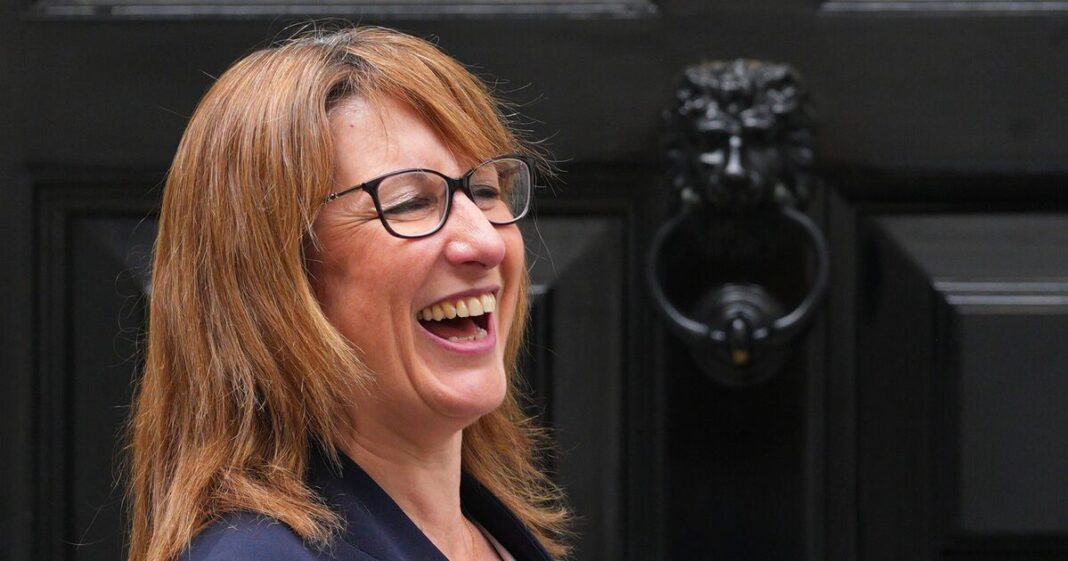

The Chancellor is looking to raise more cash (Image: Getty)
Brits have been issued a warning as Rachel Reeves aims to increase tax revenues. The government is bringing most unused pension funds and pension death benefits within the value of a person’s estate for inheritance tax (IHT) purposes from April 6, 2027. Ministers said: “This measure removes distortions which have led to pension schemes being increasingly used and marketed as a tax planning vehicle to transfer wealth, rather than for funding retirement. It also removes inconsistencies in the Inheritance Tax treatment of different types of pensions.”
Critics suggest the change could affect what millions of families inherit from loved ones. Unused pension savings will be added to everything else a person owns, such as their home, savings and investments, when working out how much inheritance tax is owed on their estate. Modelling has suggested that around 10,500 estates will fall into inheritance tax for the first time, with a further 38,500 estates already paying inheritance tax facing higher bills averaging £34,000.

Brits hoping to pass something onto their children are set to pay up more (Image: Getty)
A spokesperson for insurance experts Life Pro said: “Early planning is genuinely one of the most important things people can do when it comes to passing on what they have worked hard for.
“Taking the time now to understand the full picture of what you own, including pension savings, property and investments, and then exploring what arrangements make sense for your situation is far better than leaving it until the rules have already changed.
“There are a range of options worth looking into, from reviewing beneficiary nominations and gifting strategies to trusts and life insurance policies written in trust, which can help ensure an inheritance tax bill does not come as a shock to the people left behind.
“What works will be different for everyone, but the earlier you start looking into it the more choices you are likely to have.”
William Cooper, Director at William Russell, issued advice to expats.
He said: “In simple terms, inheritance tax is charged by the UK government when someone dies and leaves behind assets such as property, savings, investments, and personal possessions. These form what’s known as their estate, and above certain thresholds, tax may be due.
“The key change in recent UK reforms is that inheritance tax is no longer primarily based on domicile, but on residency. From April last year, if you’ve been a UK tax resident for at least 10 out of the previous 20 tax years, you’re classed as a long-term resident and may be liable for UK inheritance tax on your worldwide assets not just those held in the UK.
“This is a significant shift for expats. It means that even after leaving the UK, your global assets can still remain within the UK inheritance tax net for a period of time, known as the ‘tail’, which can extend for several years depending on how long you were previously resident.”
He added that, for individuals who leave the UK but fall within this long-term residency definition, the implication is that overseas property, investments, and other assets may still be subject to UK inheritance tax if they die within that tail period.
“However, for those who are not classed as long-term UK residents, typically those with shorter or more limited UK residency histories, exposure may be restricted to UK-based assets only, offering more clarity than the previous domicile-based system,” Mr Cooper said.
“There are also transitional rules and planning opportunities to consider, particularly around timing of departure, asset structuring, and how long-term residency is calculated under the 10/20-year rule.
“Ultimately, these changes make it more important than ever for expats to regularly review their residency status and estate planning position. The rules are more transparent than before, but they also mean that assumptions based on leaving the UK alone are no longer enough to determine inheritance tax exposure.”
The Treasury said in the autumn Budget: “One reason employees pay more tax is because Britain has not historically done enough to make sure assets – and income from assets – contribute fairly.”
The document added that the government will maintain income tax thresholds and the equivalent NICs thresholds for employees and self-employed individuals at their current levels for a further three years from April 2028 to April 2031, and inheritance tax thresholds for a further year to April 2031.
Ministers are also to maintain the secondary threshold at its current level from April 2028 to April 2031.
Meanwhile, in 2029‑30, three‑quarters of the revenue from maintaining income tax and employee and self-employed NICs thresholds is expected to come from the top half of households.
Ministers are to legislate to prevent IHT avoidance “through certain loopholes”, including ensuring UK agricultural property held via non-UK entities is treated as UK-situated addressing changes in status of trust assets before and exit charge, and restricting charity exemptions to direct gifts to UK charities and clubs, the Budget added.