“I’m now at a point where I’m going to buy even more clothes,” says Hayley Grice, 50, from Shropshire, who has dropped seven sizes after starting on the GLP-1 weight loss jab Mounjaro two years ago. “I’m very happy with my physique right now.”
Grice, the financial director of a business she set up with her husband, tried gastric bypass surgery in 2009, but put most of the weight back on, and had been between UK dress sizes 26 and 28 (US sizes 22 and 24) all her adult life.
“When you are so morbidly obese, you dress in what you can, what will fit,” she says. “You can’t really choose the latest fashion or whatever your style is.” Now a UK size 12, she shops in standard stores rather than from an online plus-size retailer.
“I would have shied away from colour, I would have shied away from anything that drew attention to me,” Grice adds. “And now I don’t care, if I like it I’ll wear it.”
The widespread take-up of weight loss drugs such as Novo Nordisk’s Wegovy and Eli Lilly’s Mounjaro is not only shaking up food habits, but spending across the board – and on wardrobes in particular.

In the US, where one in five adults (21%) have tried GLP-1 drugs, spending on grocery, alcohol and apparel has shifted noticeably.
Britain appears to be on a similar trajectory, where 5% of adults, or nearly 3 million people, are now on the drugs while 9% have taken one at some point, says new research from the consultancy PwC. It expects this number to rise to 13% by the end of next year – about 7 million people.
“A single class of medication is already influencing how millions of people in Britain eat, drink, exercise and shop,” says PwC. “GLP-1s are doing far more than reducing appetite. They are creating a new consumer.”
About 60% of GLP-1 users are women; 6% come from lower-income households whereas 20% are from the wealthiest; and 83% of potential users said they would be more likely to take GLP-1s if they were available as a pill, according to PwC.
One in 10 women aged 35-54 are using the drugs, while usage peaks among 25- to 44-year-olds at 13%, says Tamara Sender Ceron, who heads up fashion retail at the market research company Mintel.
All the research so far, also from the market research firm Circana, shows that those on the drugs eat less, switch to healthier foods and cut their alcohol intake. They buy more clothes than before, as well as skincare and hair products, sportsgear, games and toys, plus gadgets to monitor their progress and health.
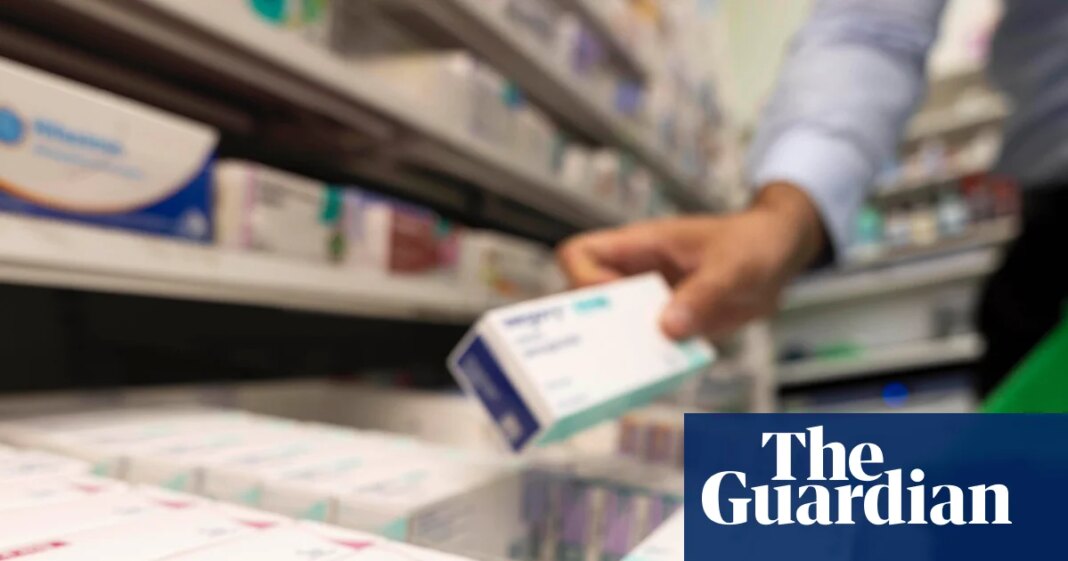
Uptake in Britain is expected to rise further with the arrival this week of GLP-1s in pill form, with UK pharmacies preparing for a rise in requests for the once-a-day Wegovy tablet – now only available on private prescription.
It was the first pill version of a GLP-1 medication when it launched in the US in early January and has so far proved very popular. Eli Lilly launched a rival tablet called Foundayo (orforglipron) in the US in early April. Both are cheaper than injected weight loss medications.
Dr Craig Primack, from the US telehealth company Hims & Hers, said: “This is a whole new set of people that … weren’t using any weight loss drugs, and now they’re comfortable with that.”
Prices for the Wegovy pill at UK online pharmacies range between £69 for a month’s supply of the 1.5mg starting dose, to £269 for the 25mg top dose. The equivalent jab costs between £79 and £250 for a month’s supply, while Mounjaro costs between £54 and £300 a month.
Potential patients are warned GLP-1 drugs can cause side effects including nausea, diarrhoea, constipation and vomiting, and lead to more serious problems such as kidney damage.
after newsletter promotion
Melody Ewert from Minnesota, US, has been taking GLP-1 drugs for nearly a year and is also spending more on clothes as her size decreases. She took the Wegovy pill for three weeks but says she did not feel like herself and her period stopped, so she switched back to Eli Lilly’s Zepbound jabs at a monthly cost of $450.
“I have been shopping mostly at thrift stores and the sales racks for clothes,” the 45-year-old says. “I am still actively losing weight so I don’t want to buy a whole new wardrobe until I’ve reached my goal of 150lb (68kg). Bras and underwear are something I’ve had to buy most often because I can wear a shirt a bit big but wearing undergarments big doesn’t work.”
She adds that she wears more colours now, rather than black, and more layers as she feels less hot.
Wegovy led to an average 21kg (46lb) loss over 72 weeks in a medical study, which equates to four dress sizes. Even a more conservative estimate would significantly lift sales at clothing chains, helping struggling high streets and malls.
Stephen Fitzgerald, a former commercial director at M&S, says an average weight loss of 5kg, with a 4cm-5cm average reduction in waist size, equates to one full size change.
“There are predictions that 10-15% of the UK population could be taking these drugs by 2030,” he says. “The effect on apparel retailers should be significant.”
In the UK, 42% of GLP-1 users spend more on clothes, especially activewear for the gym, and occasion wear – dressing up for a party or formal event like a wedding, according to PwC.
Jacqueline Windsor, the consultancy’s UK head of retail, says people want fit flexibility, a “transition wardrobe” and have become “body proud” – opting for more tailored clothes to show off their new size and shape.
Shapewear could become more popular for people who lose weight quickly, leading to sagging areas and loose skin. Beauty and hair brands have introduced new ranges specifically for GLP-1 users to combat a gaunt-looking “Ozempic face” and thinning hair.
Anne Critchlow, analyst at Berenberg bank, suggests there is no coincidence in the shift from the baggy and boxy fashion shapes of the Covid and post-pandemic years – when weight gain due to lockdown was a common theme – towards a more body-conscious, nipped-in, structured silhouette.Berenberg analysts estimate a 1% boost to the overall UK clothing market from GLP-1s in each of the next three years. Those likely to benefit most are the mid-market retailers, such as M&S, Next and Zara, who appeal to older and more affluent customers.
Meanwhile, items marketed to the larger shopper have been hit. Simon Wolfson, the chief executive of Next, has told analysts that its sales of very large sizes have fallen, while plus-size retailers on both sides of the Atlantic have reported sharp declines.
At M&S, in some womenswear categories, such as jeans, 65% of sales now come from the smaller sizes (6-12), whereas historically it was only 40%, partly because the retailer wants to appeal to younger shoppers.
Plus-size retailers on both sides of the Atlantic have reported sharp declines in sales. London-based BeigePlus, which sells designer fashion for women in UK sizes 16-28, has suffered a 20% fall in sales over the past two years. “The impact has been nothing short of catastrophic,” says Hennie Fearnley, the chief executive.
While she is happy for anyone who improves their health and life, “from a commercial perspective, these drugs are reshaping the plus-size fashion market at remarkable speed”. Meanwhile, plus-size shoppers worry about the decline in inclusive sizing and skinny culture reasserting its dominance.
For those losing weight, shopping for new clothes is both a necessity and a newfound pleasure.
“This is actually a big deal in people’s lives,” says PwC’s Windsor. “If you’ve been overweight or been struggling with your weight and you lose two to three sizes, it is a new you, a new identity … For retailers, it’s serving a customer who feels maybe for the first time really good about themselves.”