
September 5, 2026 4:10 PM
The global hospitality landscape has faced unprecedented challenges recently, yet the Abu Dhabi hotel occupancy 2026 statistics highlight a powerful story of exceptional resilience. During the second quarter, hotels in Abu Dhabi recorded an occupancy rate of 65.2 percent, decisively outperforming nearby regions like Dubai despite broader geopolitical pressures. This incredible achievement is not a mere coincidence but the direct result of strategic planning, agile revenue management, and a robust pivot towards domestic tourism. By analysing this remarkable triumph, global industry stakeholders can decode underlying economic strength inside the UAE capital. This article explores the latest verified government tourism data.
The Strategic Evolution of UAE Hospitality
Setting the Stage for 2026
The hospitality sector across the United Arab Emirates has historically served as a vital barometer for broader economic health, reflecting both domestic consumer confidence and international appeal. As the global travel industry navigated the complexities of evolving macroeconomic conditions, Abu Dhabi systematically positioned itself as a sanctuary of stability, luxury, and cultural depth. Entering the second quarter of 2026, the emirate’s tourism landscape was fundamentally shaped by the long-term directives of the Abu Dhabi Economic Vision 2030, which explicitly mandates the diversification of the non-oil economy. The Department of Culture and Tourism – Abu Dhabi (DCT Abu Dhabi) has been instrumental in orchestrating this evolution, shifting the narrative from a purely corporate transit hub to a premier, multifaceted global destination. This foundational work laid the groundwork for the extraordinary Abu Dhabi hotel occupancy 2026 figures. Unlike destinations that rely solely on seasonal leisure spikes, the capital has cultivated a robust, year-round appeal by heavily investing in monumental cultural institutions, world-class sporting events, and comprehensive business infrastructure. By the time the critical summer months approached in 2026, the hospitality framework was already insulated against traditional seasonal downturns, supported by a meticulously curated calendar of events and a growing inventory of over 33,650 hotel keys.
Decoding the Broader Geopolitical Context
To fully appreciate the magnitude of the occupancy rates achieved in the second quarter of 2026, one must contextualise the broader geopolitical environment that characterised the first half of the year. The Middle East experienced significant geopolitical pressures and regional airspace disruptions that inherently challenged investor and traveller confidence globally. Historically, such regional volatility translates into immediate contractions in long-haul international travel, as tourists and corporate delegates delay or reroute their itineraries. However, Abu Dhabi’s hospitality sector demonstrated unprecedented resilience, effectively decoupling its performance from the wider regional turbulence. Official analyses highlighted that while other markets passively absorbed the downturn in international flight connectivity, Abu Dhabi took proactive, defensive measures. The government and private hotel operators synergised their efforts to mitigate external shocks, ensuring that the destination remained perceived as a safe, accessible, and highly desirable haven. This strategic insulation not only protected existing market share but actually redirected travel flows, allowing the capital to capture a disproportionate segment of the tourists who remained committed to visiting the wider Gulf Cooperation Council (GCC) region.
Comprehensive Breakdown of Q2 2026 Hotel Statistics
Analysing the 65.2% Occupancy Benchmark
The statistical narrative of the second quarter is anchored by a defining metric: hotels in Abu Dhabi recorded an occupancy rate of 65.2 percent in June 2026, contributing to an impressive 66.8 percent average for the entire first half of the year. This achievement officially established Abu Dhabi as the highest-performing hospitality market within the UAE during this period. In an industry where available room nights either generate immediate revenue or expire as sunken costs, maintaining an occupancy level above 65 percent during a traditionally softer transitional month like June is a monumental operational triumph. These figures represent a physical manifestation of sustained demand. It proves that the collaborative marketing campaigns spearheaded by DCT Abu Dhabi have successfully resonated with target demographics. Furthermore, this occupancy rate was not concentrated within a singular asset class; it was distributed across ultra-luxury beachfront resorts on Saadiyat Island, corporate hotels in the central business district, and heritage properties, demonstrating a deeply diversified demand base. For industry analysts monitoring the Abu Dhabi hotel occupancy 2026 trends, this benchmark indicates a maturing market that is increasingly immune to the extreme peaks and troughs that historically characterised Middle Eastern tourism.
Revenue Per Available Room (RevPAR) Dynamics
While the occupancy rates were universally celebrated, a nuanced examination of the official statistics reveals a complex revenue management environment. In June 2026, Abu Dhabi’s hospitality sector experienced a 12.1 percent year-on-year decline in Revenue Per Available Room (RevPAR), with the first half of the year seeing RevPAR settle at AED 446.60 (a 20.3 percent reduction). Concurrently, the Average Daily Rate (ADR) saw a moderate contraction of 4.3 percent to AED 668.30 for the first half of the year. Rather than signalling structural weakness, these figures illuminate a highly sophisticated, agile response by hotel operators to prevailing market conditions. Confronted with rate-sensitive consumers and subdued long-haul international demand due to geopolitical factors, hoteliers deliberately adjusted their pricing architectures. By introducing tactical promotional rates, extended-stay discounts, and value-added packages, operators successfully stimulated volume, ensuring that rooms were filled rather than left vacant. This deliberate trade-off between absolute rate integrity and maximum occupancy was a masterstroke in capacity utilisation. It ensured that ancillary revenue streams—such as food and beverage outlets, spa facilities, and event spaces—remained highly active and profitable.
A Tale of Two Emirates: Abu Dhabi vs. Dubai
Why the Capital Outperformed the Commercial Hub
A comparative analysis between the UAE’s two primary economic powerhouses provides critical context for understanding the gravity of the second-quarter statistics. During the first half of 2026, Dubai—which houses a massive inventory of approximately 159,300 keys—recorded a lower average occupancy rate of 56.4 percent, with June specifically dropping to 51.6 percent. Furthermore, Dubai experienced a severe 35.2 percent decline in RevPAR (falling to AED 395.70) and a 7 percent drop in ADR during the first half. The fundamental divergence in performance stems from the structural composition of their respective tourism models. Dubai’s hospitality engine is heavily predicated on massive volumes of long-haul international transit, mega-events, and global leisure tourism. Consequently, when international aviation routes faced disruptions and long-haul demand softened, Dubai’s larger inventory felt the contraction more acutely. Conversely, Abu Dhabi’s strategic focus has been increasingly balanced, weaving together high-yield cultural tourism, domestic staycations, and targeted regional business travel. By not being overly reliant on intercontinental flight corridors, Abu Dhabi insulated itself from global shocks, allowing its Abu Dhabi hotel occupancy 2026 figures to confidently outpace its larger neighbour.
Evaluating the Impact on Regional Competitors
The comparative resilience of Abu Dhabi is further highlighted when examined against other developing hospitality markets within the UAE, such as Ras Al Khaimah. While Ras Al Khaimah has aggressively expanded its tourism footprint—aiming for eco-tourism and adventure travel—it recorded a first-half occupancy rate of 49.3 percent, with June occupancy experiencing a significant 33.6 percent year-on-year decline. The broader UAE average for the first half stood at 57.9 percent. Against this national backdrop, Abu Dhabi’s 66.8 percent half-year average is not merely an incremental win; it is a decisive market leadership position. This dominance has profound implications for regional investment flows. Institutional investors, sovereign wealth funds, and global hotel operators closely monitor these comparative yields. Abu Dhabi’s proven ability to maintain strong occupancy metrics during turbulent periods drastically enhances its risk-adjusted return profile. Capital that might have previously been earmarked for speculative developments in other emirates is increasingly being redirected towards Abu Dhabi’s robust, proven market.
The Domestic Tourism Pivot
Capitalising on the Staycation Phenomenon
A defining factor behind the exceptional Abu Dhabi hotel occupancy 2026 data was the aggressive, highly successful pivot towards domestic tourism. As international borders faced intermittent connectivity challenges, DCT Abu Dhabi and local hotel operators immediately recognised the immense, untapped potential residing within the UAE’s own borders. The staycation phenomenon was systematically institutionalised in 2026. The capital launched highly targeted marketing campaigns aimed at expatriates and Emirati citizens residing in Dubai, Sharjah, and the Northern Emirates, positioning Abu Dhabi as an accessible, premium getaway requiring no complex international travel logistics. Packages were carefully curated to offer family-friendly resort experiences, cultural immersion, and world-class dining, all within a short drive for millions of UAE residents. This domestic influx provided a massive, reliable baseline of demand that filled hotel rooms during weekends and public holidays, smoothing out the traditional volatility of the hospitality demand curve.
Realigning Operator Strategies for Local Demand
Catering to the domestic market required a fundamental realignment of operational strategies. Domestic travellers inherently exhibit different consumption patterns compared to international tourists; they are more likely to utilise their own vehicles, bypass traditional tour operators, and book with shorter lead times. Recognising this, Abu Dhabi’s hospitality sector adapted its distribution channels, focusing heavily on direct-to-consumer digital marketing and loyalty programme utilisation. Furthermore, hotel operators adjusted their operational delivery. Food and beverage offerings were tailored to local palates, and recreational facilities were expanded to accommodate larger family groups typical of the GCC demographic. By meticulously auditing the guest journey and adapting the customer experience to suit the preferences of the domestic audience, hotels ensured high levels of guest satisfaction, leading to rapid repeat visitation. This strategic agility not only rescued the second-quarter occupancy rates but also cultivated a fiercely loyal domestic customer base.
International Visitor Source Markets in 2026
The Asian Ascendancy: India and China
Despite the overarching emphasis on domestic resilience, Abu Dhabi continued to draw substantial numbers of international visitors, heavily anchored by the Asian powerhouses of India and China. Building on the momentum of previous years—where Indian arrivals surged by 22 percent—India solidified its position as the premier overseas source market in 2026. This influx was not accidental; it was the direct result of strategic aviation partnerships that saw expanded seat capacity from carriers like IndiGo and Air India Express. The proximity of the subcontinent, combined with deep-rooted corporate, trade, and diaspora ties, ensured a continuous flow of both leisure and business travellers. Simultaneously, the Chinese market demonstrated remarkable maturation. Following targeted diplomatic and tourism initiatives, Chinese visitors exhibited a notable 13 percent increase in stays, transitioning from brief transit stops to immersive, multi-day explorations of the capital’s cultural sites. This shift significantly boosted room nights and on-site hotel spending, contributing heavily to the robust Abu Dhabi hotel occupancy 2026 figures.
Sustaining European Engagement: UK, Russia, and Germany
European markets remained a cornerstone of Abu Dhabi’s international tourism portfolio, exhibiting remarkable resilience despite the broader geopolitical headwinds. Visitors from the United Kingdom (4.2 nights), Russia (4.3 nights), and Germany (4.1 nights) consistently recorded some of the longest average lengths of stay among all demographic segments. The enduring appeal of Abu Dhabi for European travellers lies in its unparalleled safety, guaranteed winter sunshine, and the seamless integration of pristine beachfront resorts with high-end retail and cultural experiences. For Russian tourists in particular, the UAE’s maintaining of open diplomatic and aviation corridors provided a vital, premium leisure destination. DCT Abu Dhabi actively nurtured these markets through sustained engagement with top-tier European tour operators and targeted digital campaigns that highlighted the emirate’s safety protocols and luxury offerings.
The GCC Synergy and Saudi Arabian Influx
Regional connectivity played a pivotal role in the second quarter’s success, with the broader Gulf Cooperation Council (GCC) serving as a vital feeder market. The Kingdom of Saudi Arabia, in particular, emerged as a massive driver of inbound tourism. Driven by shared cultural affinities, seamless border crossings, and extensive daily flight connections, Saudi families flocked to Abu Dhabi for short breaks and public holidays. The emirate’s strategic positioning of family-oriented entertainment, such as the indoor theme parks on Yas Island, proved irresistible to the GCC demographic. Furthermore, the absence of complex visa requirements and the alignment of religious and cultural holidays allowed Abu Dhabi to capture spontaneous, high-volume travel surges from across the GCC, heavily reinforcing the 65.2 percent occupancy rate and demonstrating the profound economic synergy within the Arabian Peninsula.
DCT Abu Dhabi’s Visionary Framework
Merging Cultural Heritage with Modern Luxury
The underlying catalyst for the impressive Abu Dhabi hotel occupancy 2026 statistics is the visionary framework established by the Department of Culture and Tourism. Over the past decade, DCT Abu Dhabi has meticulously executed a strategy that intertwines authentic Emirati heritage with ultra-modern luxury, creating a unique value proposition that cannot be easily replicated by competing destinations. By elevating historical sites, traditional handicrafts, and indigenous narratives, the government has created a destination with profound cultural depth. Initiatives such as the promotion of the Al Hosn Festival have successfully drawn over 608,000 visitors, proving that cultural authenticity is a powerful economic multiplier. For the hospitality sector, this means guests are not merely booking a room; they are investing in a comprehensive, immersive cultural experience, which directly translates into longer stays, higher spending, and robust hotel occupancy.
The Saadiyat Cultural District Expansion
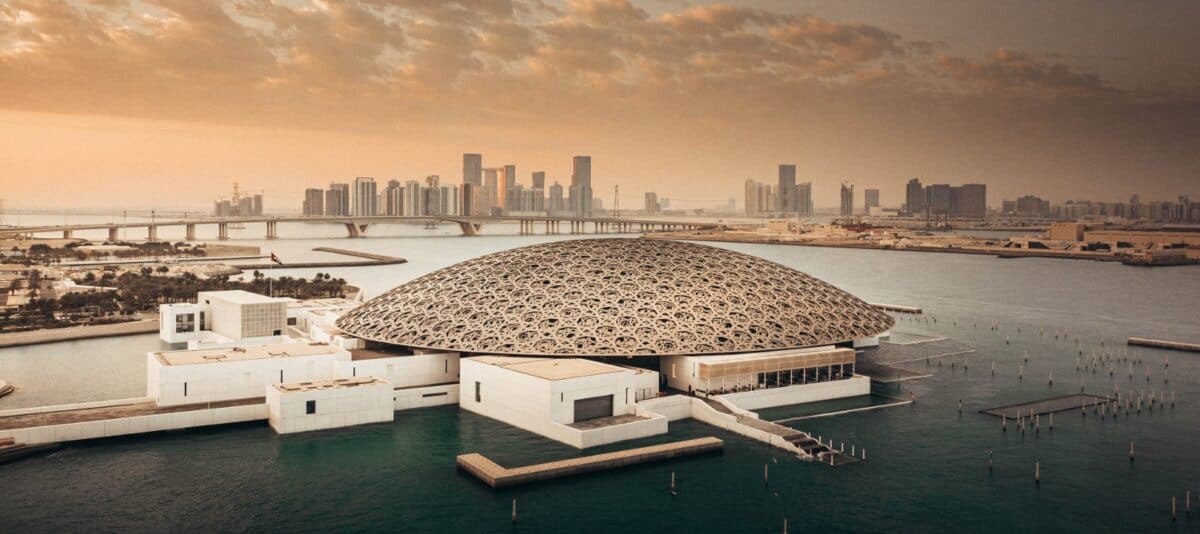
At the epicentre of Abu Dhabi’s cultural tourism strategy is the continuous, aggressive expansion of the Saadiyat Cultural District. Already home to the architectural masterpiece that is Louvre Abu Dhabi, the district’s evolution has been a primary driver of international intrigue. As developments progressed on monumental institutions like the Zayed National Museum, the Guggenheim Abu Dhabi, and the Natural History Museum, the global press and cultural elite maintained a intense focus on the emirate. This sustained international visibility acts as an incredibly potent, organic marketing mechanism. Hotels situated on or near Saadiyat Island routinely reported the highest occupancy and ADR metrics within the capital, as cultural tourists—who typically exhibit higher disposable incomes and lower price sensitivity—flocked to the area.
The Economic Implications of High Occupancy
Diversifying the Non-Oil GDP
The sustained success of the hospitality sector, as evidenced by the Q2 2026 statistics, extends far beyond the balance sheets of individual hotel operators; it is a critical component of the UAE’s macroeconomic architecture. The Abu Dhabi Economic Vision 2030 explicitly targets the reduction of the emirate’s historical reliance on hydrocarbon revenues. In this context, tourism serves as a premier engine for non-oil GDP diversification. When hotels operate at a 65.2 percent occupancy rate, the economic ripple effects are profound. High occupancy drives job creation across the service, logistics, and retail sectors. It stimulates demand for local agricultural produce, construction materials, and transportation services. Furthermore, the taxation and licensing fees generated by a thriving hospitality ecosystem provide the government with diversified, sustainable revenue streams.
Real Estate and Hospitality Investment Synergies
The robust performance of Abu Dhabi’s hotels is deeply intertwined with the broader real estate market. Institutional investors view hotel occupancy and RevPAR trends as leading indicators for the health of the commercial and residential property sectors. The capital’s ability to maintain a 66.8 percent occupancy rate through the first half of 2026 injected massive confidence into the investment community. This confidence was starkly reflected in real estate indices, which independently recognised the UAE as the world’s leading property investment destination amidst regional challenges. Developers are increasingly incentivised to construct mixed-use mega-projects that combine luxury hospitality with branded residences and high-end retail, knowing that the underlying tourism demand is incredibly stable.
Government Policy Interventions and Support
ADREC’s Rent Stabilisation Mandate
The resilience of the tourism and hospitality sector was not left to chance; it was actively insulated by decisive government policy interventions. A prime example of this proactive governance was the initiative launched by the Abu Dhabi Real Estate Centre (ADREC). Recognising the need to maintain a competitive and stable operational environment for businesses during periods of regional uncertainty, ADREC announced that rents for residential, commercial, and industrial properties would not increase until further notice. This crucial rent stabilisation mandate drastically reduced overhead pressures on the hospitality supply chain. By ensuring that the cost of doing business remained predictable, the government empowered hotel operators to aggressively price their room rates to stimulate demand without sacrificing fundamental profitability.
Fiscal Incentives and Strategic Investments
Beyond rent stabilisation, the Abu Dhabi government continued to deploy targeted fiscal incentives to support the tourism sector. These included co-funding marketing campaigns for major hotel groups, subsidising landing fees to attract new airline routes, and providing financial backing for large-scale international conferences. The government’s willingness to act as a financial catalyst ensures that the destination remains hyper-competitive on the global stage. By underwriting the foundational risks associated with expanding tourism infrastructure, the state guarantees that the private sector remains committed to the emirate’s long-term vision. This seamless public-private partnership is the operational engine that drove the Abu Dhabi hotel occupancy 2026 performance.
The MICE Sector as a Growth Engine
Advantage Abu Dhabi and Business Tourism
While leisure tourism captures the public imagination, the Meetings, Incentives, Conferences, and Exhibitions (MICE) sector is the undisputed backbone of corporate hospitality revenue. Building on the massive success where the number of MICE events surged by 37 percent to 6,600 (drawing 2.2 million delegates), the sector remained incredibly robust into 2026. A massive driver of this success is the Advantage Abu Dhabi programme, which previously supported 175 events attracting 464,000 delegates. This initiative provides strategic and financial support to event organisers, effectively subsidising the costs of hosting global congresses in the capital. By aggressively bidding for and securing international medical, technological, and environmental summits, Abu Dhabi guarantees high-volume block bookings for corporate hotels.
Infrastructure Expansion for Global Events
To accommodate the burgeoning MICE sector, Abu Dhabi has continuously expanded its world-class event infrastructure. The Abu Dhabi National Exhibition Centre (ADNEC) remains a globally recognised powerhouse, capable of hosting massive, simultaneous international summits. Furthermore, the integration of extensive conference facilities within the new wave of luxury hotel developments ensures that the capital can cater to highly specialised, exclusive corporate retreats alongside mega-exhibitions. This infrastructural readiness meant that even when regional geopolitical tensions caused some international events to seek alternative venues, Abu Dhabi was perfectly positioned to step in as a safe, highly capable alternative.
Expanding Beyond the City Centre
The Rise of Al Ain as a Heritage Hub
The triumph of Abu Dhabi’s tourism strategy in 2026 is defined by its geographical breadth, extending far beyond the gleaming skyscrapers of the main island. The inland oasis city of Al Ain, a UNESCO World Heritage site, experienced a renaissance, welcoming hundreds of thousands of guests and pushing hotel occupancy up by 9 percent year-on-year recently. Benefiting from intensified regional marketing campaigns, Al Ain witnessed a massive surge in guest arrivals, largely driven by heritage-focused leisure travel and domestic staycations. Visitors were drawn to the meticulously restored forts, the ancient falaj irrigation systems, and the immersive museums.
Eco-Tourism and Leisure in Al Dhafra
Similarly, the expansive Al Dhafra region, known for its dramatic desert landscapes and pristine coastline, emerged as a highly lucrative niche market. Capitalising on the global surge in demand for experiential and eco-tourism, Al Dhafra offered high-end glamping, desert safaris, and secluded luxury retreats that appealed immensely to high-net-worth individuals seeking privacy and nature immersion. The strategic activation of holiday homes and bespoke glamping sites in this region expanded the emirate’s total accommodation capacity without oversaturating the traditional hotel market. This careful diversification of the tourism product ensures that Abu Dhabi can cater to every conceivable consumer demographic, deeply reinforcing the overall Abu Dhabi hotel occupancy 2026 statistics.
Industry Impact: Redefining the Guest Experience
Navigating Price Sensitivity Through Service Design
The nuanced reality of achieving a 65.2 percent occupancy rate alongside a 12.1 percent dip in RevPAR in June 2026 forced a profound operational reckoning within the hospitality industry. As guests exhibited heightened price sensitivity, operators recognised that they could not simply rely on prestigious brand names to command premium rates. The immediate industry impact was a massive pivot towards elevating the customer experience through meticulous service design. Hotel management teams undertook rigorous audits of the guest journey, identifying and eliminating friction points at check-in, enhancing the speed of room readiness, and empowering front-line staff to deliver hyper-personalised service. When consumers are highly conscious of their expenditure, the perceived value of every single interaction is magnified.
Long-Term Strategies for Hotel Operators
Moving beyond immediate tactical responses, the Q2 2026 data has permanently altered long-term operational strategies. Hotel groups operating in Abu Dhabi are increasingly abandoning rigid, legacy pricing models in favour of dynamic, artificial intelligence-driven revenue management systems capable of instantly reacting to macroeconomic shifts and consumer sentiment. Furthermore, operators are reinvesting heavily in their proprietary loyalty programmes to reduce their reliance on expensive third-party online travel agencies. There is also a renewed focus on sustainability and green criteria, as modern travellers increasingly demand verifiable eco-friendly practices. By adapting to these structural shifts proactively, Abu Dhabi’s hotel operators are not just surviving regional pressures; they are actively shaping the future standards of global hospitality.
Official Statements and Expert Perspectives
Validation from Global Real Estate Indices
The objective data provided by the authorities is heavily corroborated by independent global experts. International real estate and hospitality consultancies have publicly highlighted Abu Dhabi’s performance as a genuinely remarkable anomaly within a challenged regional landscape. Experts note that the capital’s ability to seamlessly pivot to domestic and regional demand, whilst simultaneously pushing forward with monumental cultural developments, represents a masterclass in destination management. These independent analyses provide a crucial layer of international validation, confirming to global institutional investors that the UAE’s economic narrative is grounded in verified, robust operational data.
DCT Abu Dhabi’s Forward-Looking Agenda
Official statements from the leadership of DCT Abu Dhabi consistently emphasise that the current successes are merely stepping stones toward a much grander vision. Government officials have publicly affirmed that the foundational strength demonstrated in Q2 2026 allows the emirate to pursue its long-term objectives with unparalleled confidence. The official agenda remains fiercely focused on expanding global distinctiveness through landmark cultural attractions, enhancing global aviation connectivity, and maintaining the highest possible standards of hospitality excellence. By transparently sharing performance metrics and outlining clear, actionable future strategies, the government fosters an environment of absolute trust and collaboration with private sector partners.
Future Outlook for the Remainder of 2026 and Beyond
Preparing for the Winter Peak Season
As the hospitality sector analyses the triumphs of the first half of the year, all strategic focus has now shifted towards capitalising on the lucrative Q4 winter season. Historically the strongest period for UAE tourism, the winter of 2026 is expected to shatter previous records. With geopolitical pressures anticipated to stabilise and international aviation capacity fully restored, the pent-up demand from long-haul markets across the Americas and Europe is projected to flood the market. Abu Dhabi is uniquely positioned to capture this massive influx, boasting a fully operational, world-class infrastructure, a packed calendar of mega-events, and an expanded inventory of luxury accommodations.
Sustainable Growth Towards Vision 2030
Looking beyond the immediate fiscal year, the trajectory of Abu Dhabi’s hospitality sector is firmly aligned with the ambitious targets of the Economic Vision 2030. The emirate is not merely chasing transient volume; it is systematically constructing a sustainable, highly resilient tourism ecosystem capable of withstanding global macroeconomic shocks. The integration of cutting-edge technology, a relentless commitment to cultural authenticity, and proactive, supportive government policies guarantee that Abu Dhabi will maintain its undisputed leadership position within the Middle Eastern tourism landscape. For global investors, hotel operators, and international travellers, the data is unequivocal: Abu Dhabi has successfully transitioned from an emerging market to a definitive, blue-chip global destination, promising decades of sustainable growth and profound cultural enrichment.
Overview
The impressive occupancy figures for 2026 for Abu Dhabi’s hotels clearly show the great vision of the emirate. The hotel occupancy rate is 65.2 percent for this year, in an unstable environment of the region. The great cultural heritage and strong governmental policies with good investments, guarantee a strong and constant flow of tourists. The professional community is sure that during this winter season, the capital of the country will be staying in the first position for the quality of available tourism services in the whole Middle East. This dominant position shows promising prospects for the economy and the diversification of the other sectors.
Advertisement
Advertisement