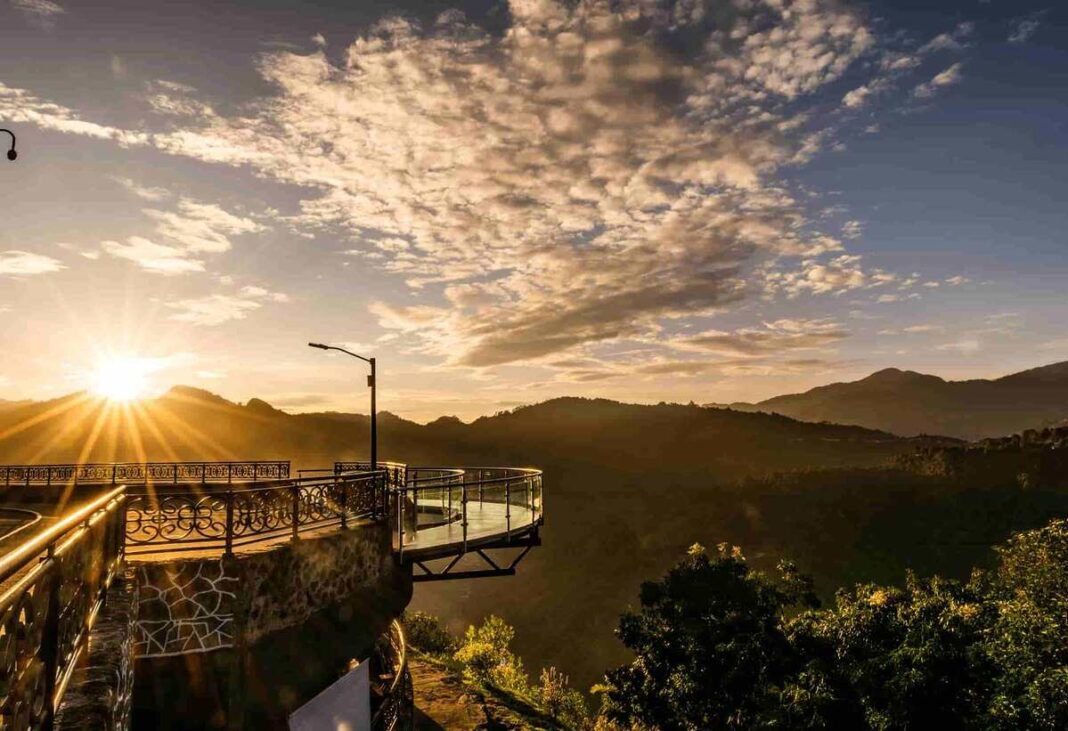
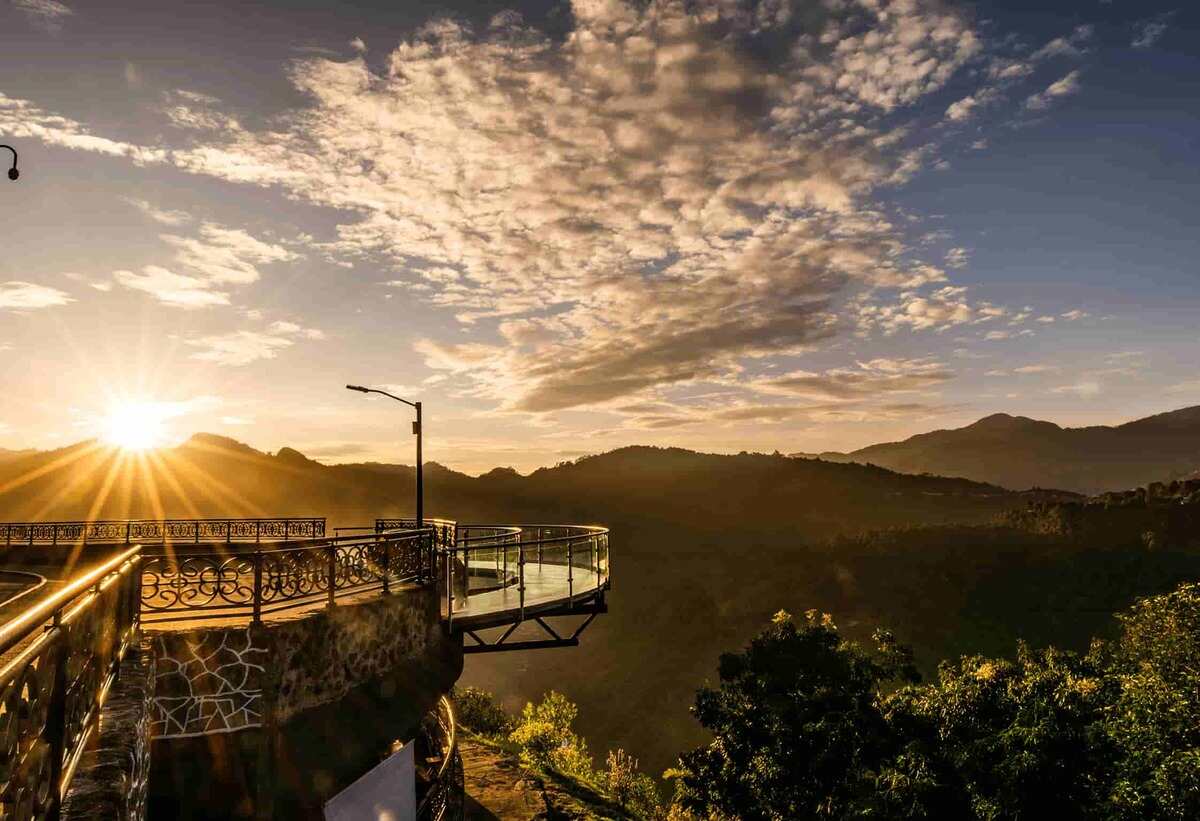
Image Source : Mexico Tourism
Nayarit, Mexico, is bursting with nine of the country’s Magical Towns. These include Mexcaltitán, Sayulita, and more. With their colonial architecture and indigenous history, as well as active and dormant volcanoes, archaeological sites, beaches, mangrove estuaries, and islands, the Magical Towns of Nayarit offer many opportunities for visitors to experience a variety of adventures beyond common ocean beach vacations.
Advertisement
Advertisement
The Mexican state’s nine Pueblos Mágicos (Magical Towns) — Ahuacatlán, Amatlán de Cañas, Compostela, Ixtlán del Río, Jala, Mexcaltitán, Puerto Balleto, San Blas and Sayulita — reveal a different side of Nayarit, offering travellers a journey through historic communities, natural landscapes and cultural treasures.
The Pueblo Mágico designation, granted by Mexico’s Ministry of Tourism, highlights destinations with exceptional historical, cultural or natural importance. In Nayarit, the route connects mountain villages, archaeological sites, coastal communities, mangrove ecosystems and remote islands, creating a tourism circuit that goes far beyond traditional beach holidays.
Advertisement
Advertisement
Nayarit’s Volcano Towns Reveal Ancient Heritage and Colonial Charm
The inland areas of Nayarit offer travellers a landscape shaped by volcanoes, historic roads and centuries-old traditions. These communities preserve the architectural identity and cultural roots of the region through colonial buildings, festivals and local cuisine.
Ahuacatlán sits near the imposing El Ceboruco volcano and carries a deep historical connection with the former Camino Real, the historic route that once linked the port of San Blas with Guadalajara. The town’s colonial churches, traditional main square and religious celebrations reflect its long cultural heritage.
Visitors exploring Ahuacatlán can also experience regional flavours through traditional dishes, including tostadas de pata, Chago-style sandwiches and mango cajeta, a sweet caramel-like speciality made from local ingredients.
Nearby, Jala offers another glimpse into Nayarit’s historic identity. The town is known for its cobbled streets, colonial mansions and historic churches that preserve the atmosphere of an earlier era. Its most recognised celebration is the Giant Corn Festival, held every August, honouring the region’s unique corn varieties known for their remarkable size.
The culinary traditions of Jala add another attraction, with visitors discovering regional favourites such as tamales, atole and locally produced wines.
Ixtlán del Río provides a connection to Nayarit’s pre-Hispanic past. The Los Toriles archaeological zone remains one of the most important cultural sites in the area, featuring a rare circular temple along with foundations and remains linked to ancient civilisations that once inhabited the region.
The town combines archaeological heritage with colonial-era architecture, creating a destination where visitors can explore different chapters of Mexico’s history in one location.
Amatlán de Cañas and Compostela Showcase Nature and Historic Routes
Among Nayarit’s Magical Towns, Amatlán de Cañas represents the state’s growing focus on nature-based tourism. As the newest addition to the list, the destination highlights mountain landscapes, thermal springs and waterfalls that attract travellers seeking outdoor experiences.
The surrounding areas provide opportunities for hiking, ecological exploration and peaceful escapes surrounded by natural scenery. The combination of mountains, water resources and traditional village life makes Amatlán de Cañas an emerging destination for travellers looking beyond coastal resorts.
Compostela offers a different experience, combining colonial history with natural attractions. Founded in 1530, the town preserves historic buildings, churches and traditional houses that reflect its importance during Mexico’s colonial period.
Beyond its urban heritage, Compostela provides access to natural spas and archaeological locations, including Altavista, an ancient ceremonial site connected with the region’s early cultures.
The town’s historic streets and surrounding landscapes create a destination where cultural exploration and outdoor discovery come together.
Mexcaltitán and San Blas Connect Island Mysteries With Coastal Adventures
As travellers move towards the coast, Nayarit’s landscape changes dramatically, revealing islands, wetlands and Pacific shoreline communities.
Mexcaltitán stands as one of the state’s most unusual destinations. Located on a small island, the town is often called the “Mexican Venice” because seasonal rainfall transforms parts of its streets into waterways.
The island also holds a strong connection with Mexican history and legend. It is traditionally associated with Aztlán, the mythical homeland believed by some traditions to be the origin place of the Mexica people before their migration to the Valley of Mexico.
The town’s unique geography, waterways and cultural identity make it one of Nayarit’s most distinctive tourism experiences.
Further along the coast, San Blas combines colonial heritage with extraordinary natural ecosystems. The town preserves historic landmarks, including the Contaduría Fort and the Temple of Our Lady of the Rosary, which reflect its role as an important coastal settlement.
San Blas is also a gateway to La Tovara, a protected mangrove area where visitors can explore waterways by boat while observing native wildlife, including numerous bird species and crocodiles.
The destination’s coastal cuisine remains another major attraction, with seafood dishes and traditional preparations such as zarandeado fish forming an important part of the local identity.
Sayulita Brings Surf Culture and International Energy to Nayarit
While many of Nayarit’s Magical Towns focus on history and nature, Sayulita represents the state’s modern coastal lifestyle.
Known worldwide for its surfing culture, Sayulita blends Pacific beaches with artisan markets, colourful murals, independent galleries, restaurants and a vibrant local atmosphere.
The town has developed into one of Nayarit’s most internationally recognised destinations, attracting visitors searching for a combination of adventure, creativity and relaxed coastal experiences.
Its beaches and distinctive cultural scene have helped position Sayulita as an important part of Mexico’s Pacific tourism landscape.
Puerto Balleto Opens the Door to Sustainable Island Tourism
The final destination on Nayarit’s Magical Town route takes travellers far offshore to Puerto Balleto, located within the Islas Marías archipelago approximately 112 kilometres from San Blas.
For more than a century, the area operated as a penal colony before being transformed into a destination focused on conservation, history and sustainable tourism.
Today, Puerto Balleto forms part of the Islas Marías Biosphere Reserve, an area recognised by UNESCO for its ecological importance.
The archipelago offers visitors a rare combination of natural landscapes, historical remains and conservation-focused experiences, creating a different model of tourism based on environmental protection and cultural preservation.
Nayarit Creates a New Tourism Journey Beyond Sun and Beach
The nine Magical Towns of Nayarit demonstratethe diversity of one of Mexico’s most varied travel regions. From volcanic landscapes and colonial streets to archaeological treasures, mangrove forests, surfing beaches and remote islands, each destination reveals a different part of the state’s identity.
This growing tourism route allows visitors to explore Nayarit through experiences connected with history, nature and local traditions rather than only coastal attractions.
Mexcaltitán, Sayulita and seven other destinations are transforming Nayarit, Mexico, into a hidden travel gem as nine Magical Towns showcase breathtaking heritage, nature, culture, islands and Pacific experiences beyond beaches.
Nayarit’s Magical Towns are home to the hidden treasures of Mexico. With something for everyone; from the Island of Mexcaltitán to the Surfer Town of Sayulita, visitors can experience all that Nayarit has to offer. From volcanic, and other varied landscapes, to historical, and protected, ecosystems, and a variety of other sites, Nayarit is an adventure seeker’s paradise, and a great alternative to the more common, coastal, Mexican resorts. Whether history, adventure, or the culture and nature of Mexico is what draws the traveler, Nayarit offers something for everyone.