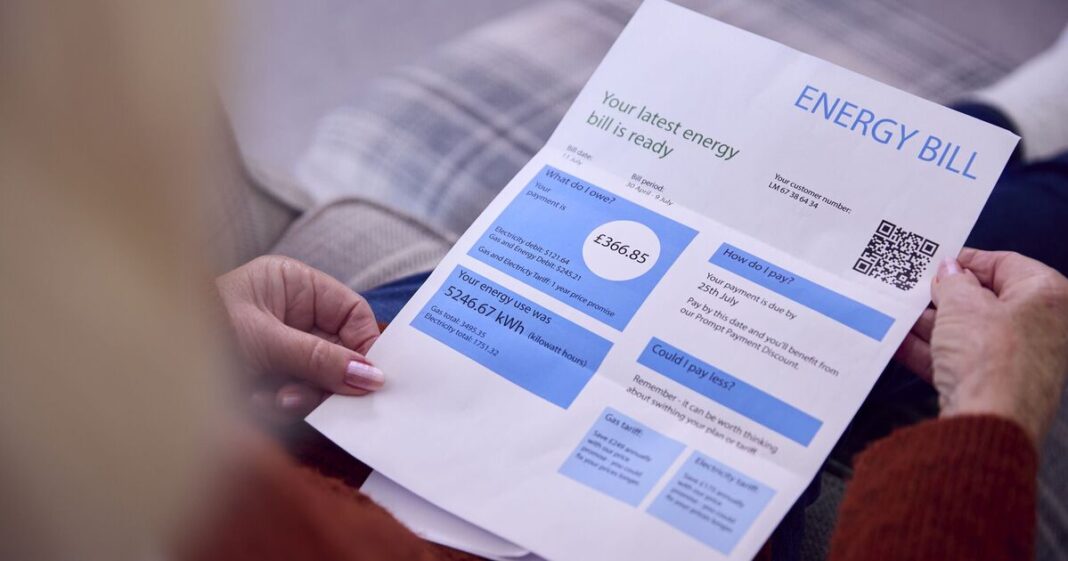
UK households could face an energy bill increase of almost £500 in January, with families warned they could be hit by soaring costs just as the Bank of England weighs the inflationary impact of the shock.
William Ellis, senior economist at IPPR, said the Bank had “rightly stopped sales of long-dated gilts” but argued that its remaining gilt-market operations continue to cost taxpayers billions of pounds each year.
He said the Government should explore ways to close the gap and create more room for public spending.
On interest rates, Ellis said the Bank had held rates as expected but warned there was pressure for rates to rise later in the year following increases in Europe and the US.
However, he argued that higher interest rates would not address the underlying cause of the energy shock.
“Higher interest rates are the wrong tool for this shock,” Ellis said. “This is not British inflation, but the war in Iran arriving on British bills.”
He argued that monetary policy cannot directly reduce global energy prices, leaving households facing the prospect of higher bills while interest rates remain a potential source of additional pressure.
“Families face the most expensive winter since 2022/23, with annual energy bills expected to be almost £500 higher in January than they are now,” he said.
The warning comes as households already face pressure from the cost of essentials, with energy bills traditionally rising in importance during the colder months as demand for heating increases.
Ellis said families could effectively be “hit twice”, first through higher energy bills and then through mortgage costs if interest rates were increased in response to inflation.
The IPPR economist called for the Government to consider direct action on household energy prices if the conflict does not de-escalate quickly.
He suggested a temporary ceiling on household energy bills as one potential measure.
According to Ellis, such a move could limit inflation at source while reducing pressure on the Bank of England to respond to the shock through higher interest rates.
“It limits inflation at source, reduces pressure for higher interest rates, and stops a temporary shock doing lasting damage to living standards,” he said.