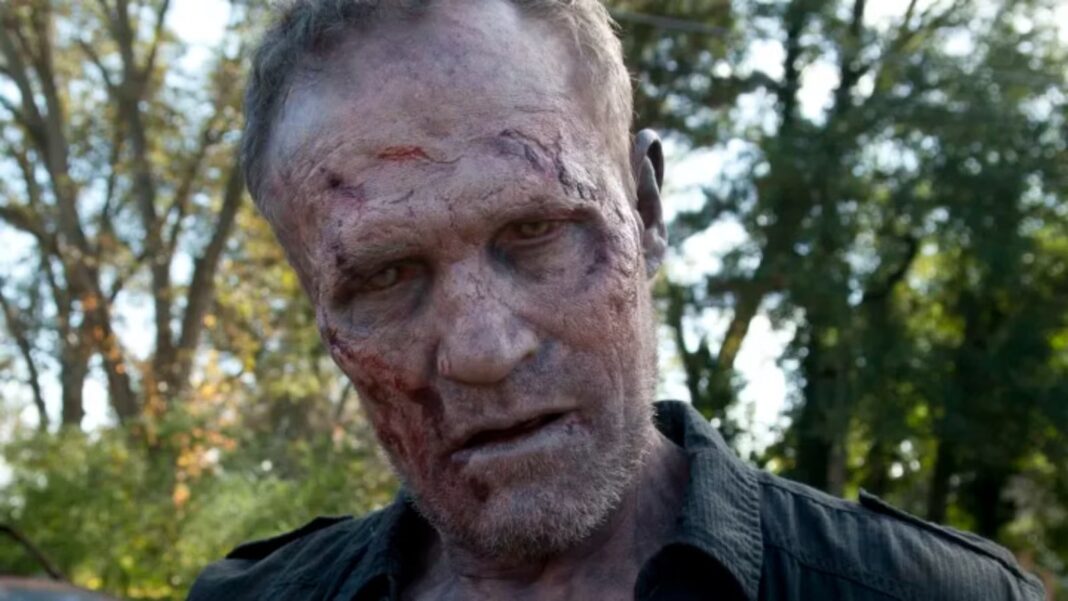
When Robert Kirkman, the creator of The Walking Dead franchise, first developed the idea of a zombie apocalypse, he gave little thought to how and why the zombie virus was created. While writing The Walking Dead comic book series, which debuted in 2003 and ended in 2019 after 193 issues, Kirkman deliberately avoided revealing the origin of the zombie virus, focusing instead on character development and the moral dilemmas that arise from the zombie apocalypse.
This character-based philosophy carried over to the flagship television series The Walking Dead. From its 2010 debut to its 2022 finale, the show largely avoided addressing the science behind the zombie apocalypse, especially the virus’s origin. However, after avoiding the subject for over a decade, the mystery was finally put to rest in the finale of the spin-off limited series The Walking Dead: World Beyond, which revealed that the zombie virus originated in a French laboratory.
While the reveal of the zombie virus’s origin solved the franchise’s most enduring mystery, it also laid the groundwork for further exploration of that origin in other The Walking Dead spin-off shows.
How and Where Did the Zombie Virus Originate?
-
 AMC
AMC -
 AMC
AMC -
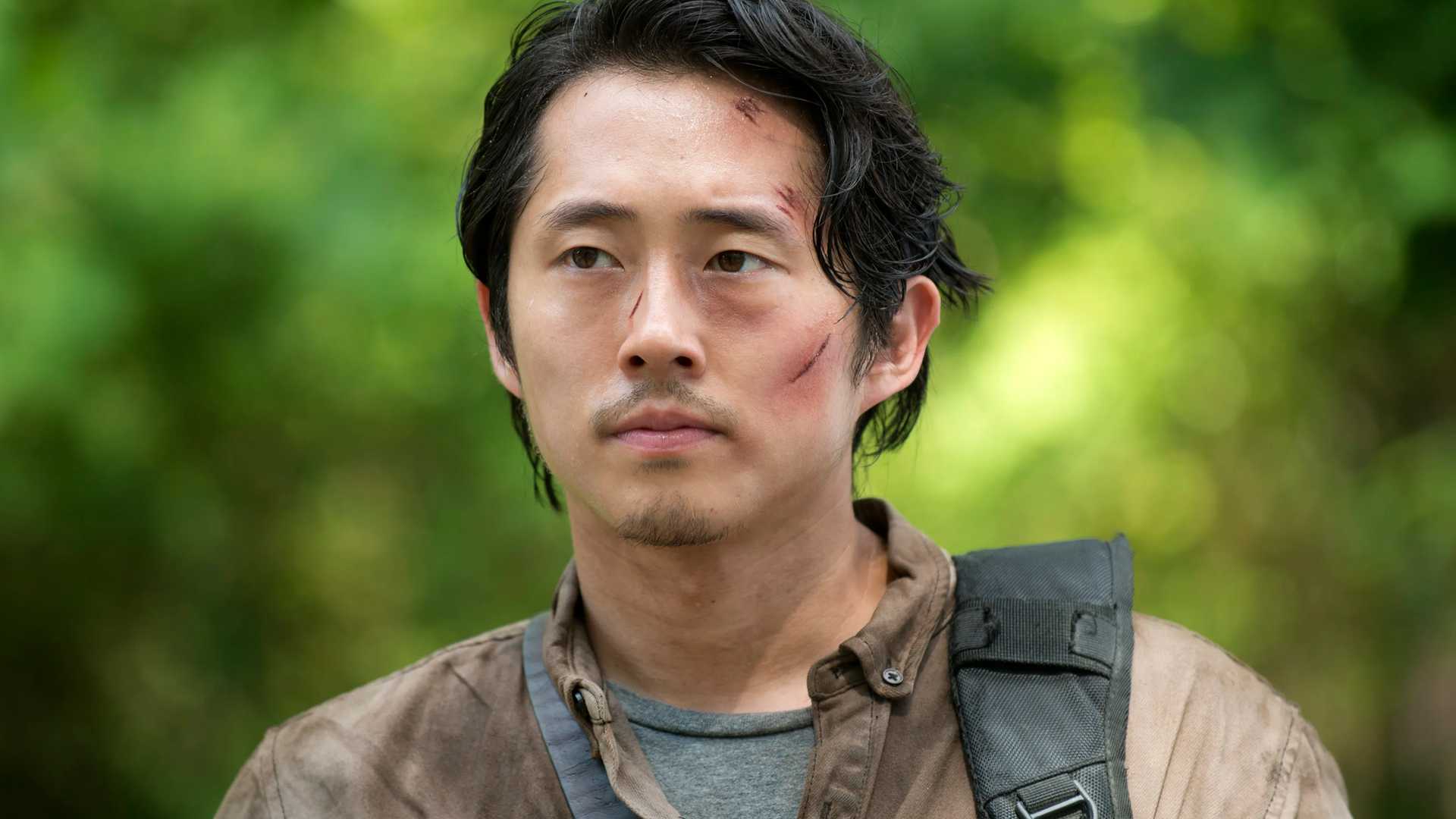
Steven Yeun stars in ‘The Walking Dead’ AMC
World Beyond answered the question in its series finale, after two seasons and 20 episodes. In the post-credits scene, titled “The Last Light,” the virus is revealed to have originated at a biomedical facility in France with the Primrose and Violet research teams. The scene opens inside the long-abandoned lab, where a former researcher returns, intent on finding a cure for the zombie virus. Upon activating a laptop, she watches a dire video message from Dr. Edwin Jenner, the last survivor from the Centers for Disease Control and Prevention (CDC) facility in Atlanta, who died by suicide in the first season of The Walking Dead.
While watching the video, in which Jenner expresses pessimism about finding a cure, another survivor enters the dilapidated lab and points a gun at her while smoking a cigarette. After learning she was part of the Violet team, the smoking man declares that she and her colleagues were primarily responsible for creating the virus and worsening the resulting outbreak.
However, while the smoking man holds Primrose and Violet solely responsible for creating the virus, the woman suggests he also played a role in unleashing it on the world. When she says, “When you did what you did,” she seems to imply that he, either alone or as part of a group, entered the facility after learning about the virus’s development. The CDC discovered it in April 2010 and declared a pandemic that August, before it, of course, caused the collapse of modern civilization.
The Walking Dead: Daryl Dixon shed more light on the virus’s origins. The series opens with the abducted Daryl waking up in France, where he remains for the entire first season. A flashback later shows the initial chaos of the outbreak in Paris, reinforcing France’s connection to the virus without confirming it as the true starting point. Season 2 pushed the mythology further. The villainous Marion Genet, known as Madame Genet, and her faction, Pouvoir des Vivants, are revealed to be engineering more potent zombie variants at a facility called La Biomédicine DDMI, adding to France’s role in the story without overturning the Primrose and Violet origin from World Beyond. These acidic, synthetic, faster zombies hint at a bigger mystery behind the outbreak, one tied to the true plans of whoever created it.
‘The Walking Dead’ Creator Had a Different Origin Theory
-
 AMC
AMC -
 AMC
AMC -
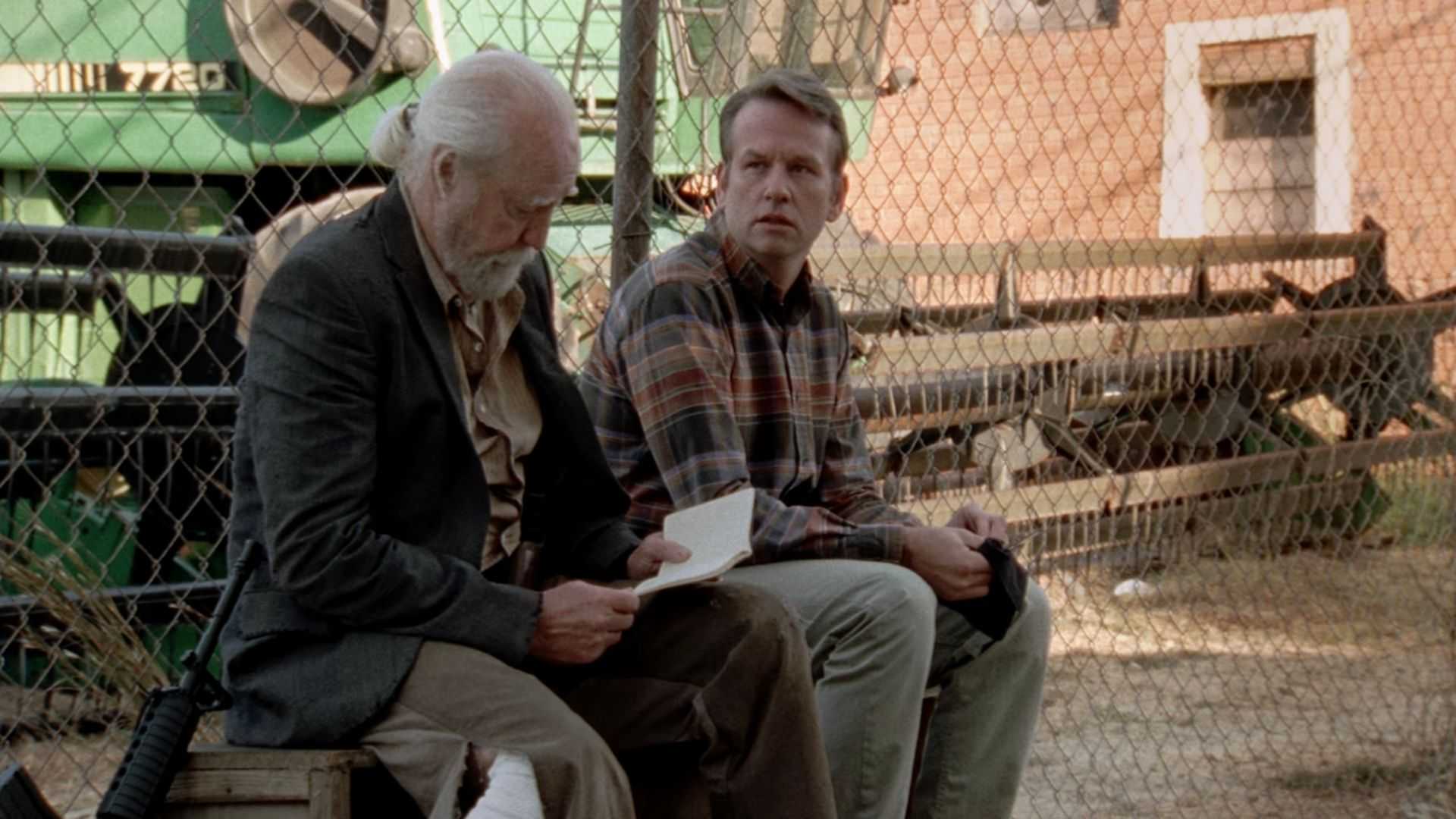
Hershel and Milton in the episode Arrow on the Doorpost from The Walking Dead. AMC
While The Walking Dead creator Robert Kirkman has consistently avoided giving a clear explanation for the virus’s origin, he nonetheless once had a very different theory in mind than the one World Beyond eventually revealed.
When Kirkman first pitched The Walking Dead to Image Comics in 2003, he told the publishers an entirely different story about the outbreak’s cause: an alien invasion, with the zombie plague deployed to weaken Earth’s defenses ahead of a full-scale takeover. Kirkman later admitted the alien angle was a story he invented to sell the pitch, not a plan he ever intended to use once the series was greenlit. In 2018, Kirkman cryptically teased that the outbreak had a science-fiction origin, then, in a 2020 tweet, elaborated, declaring that “space spores” were responsible. The tweet was deleted.
Kirkman seems adamant that the virus’s cause is not essential to his comics, as reflected in a 2018 Tumblr Q&A on Bloody Disgusting. He noted that “It (the origin of the zombie outbreak) couldn’t be less important to the story and the lives of these characters. It would be completely out of place in the story.” To his point, Kirkman did exemplify that the information would be irrelevant to the characters he created:
“Honestly if a scientist from Washington came to the character and told them what happened the characters would just shrug and say ‘Oh… okay…’ it wouldn’t change their lives at all.”
The Origin Reveal Hasn’t Hurt The Walking Dead Franchise
-
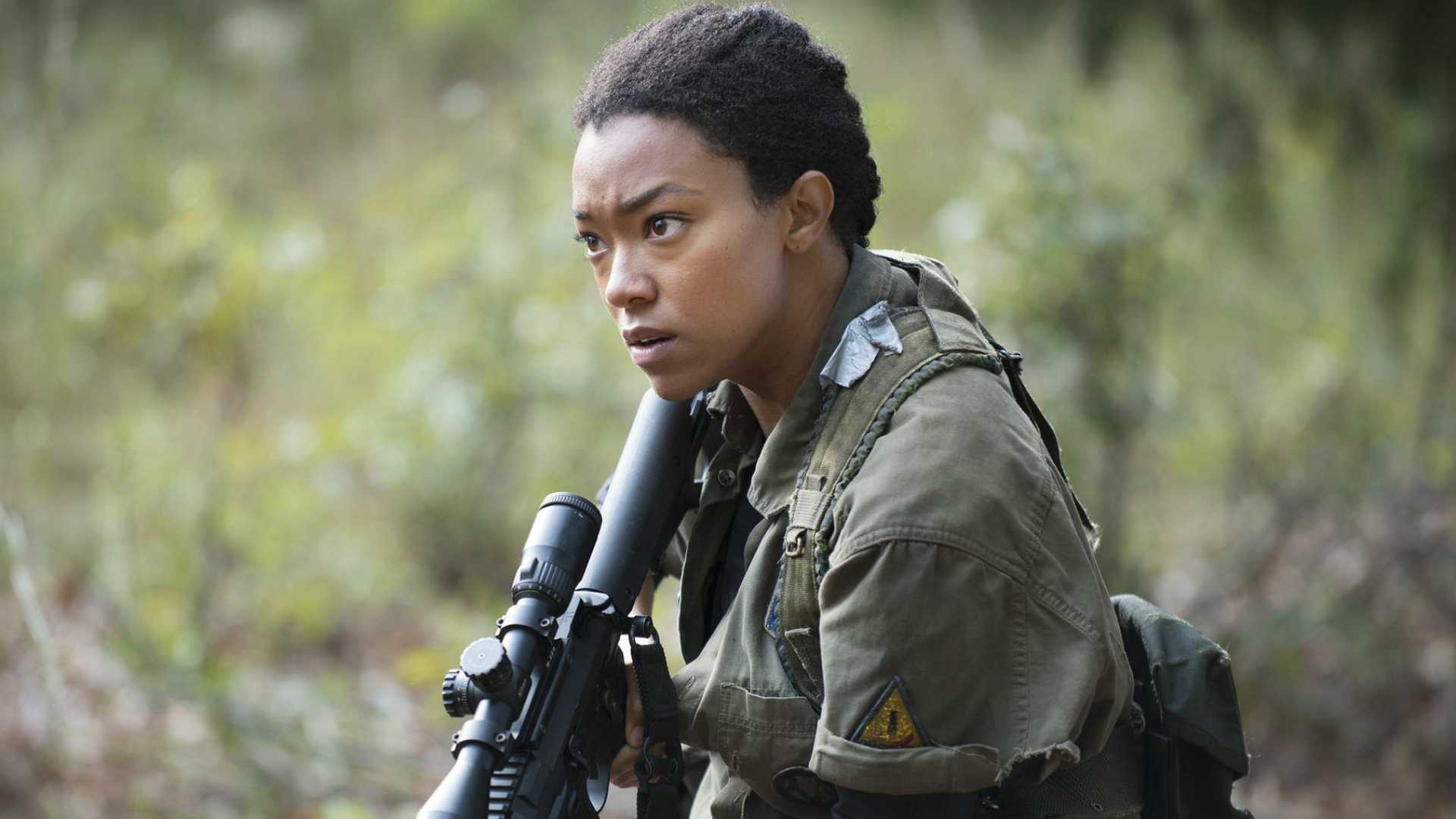
Sonequa Martin-Green as Sasha in The Walking Dead AMC -
-
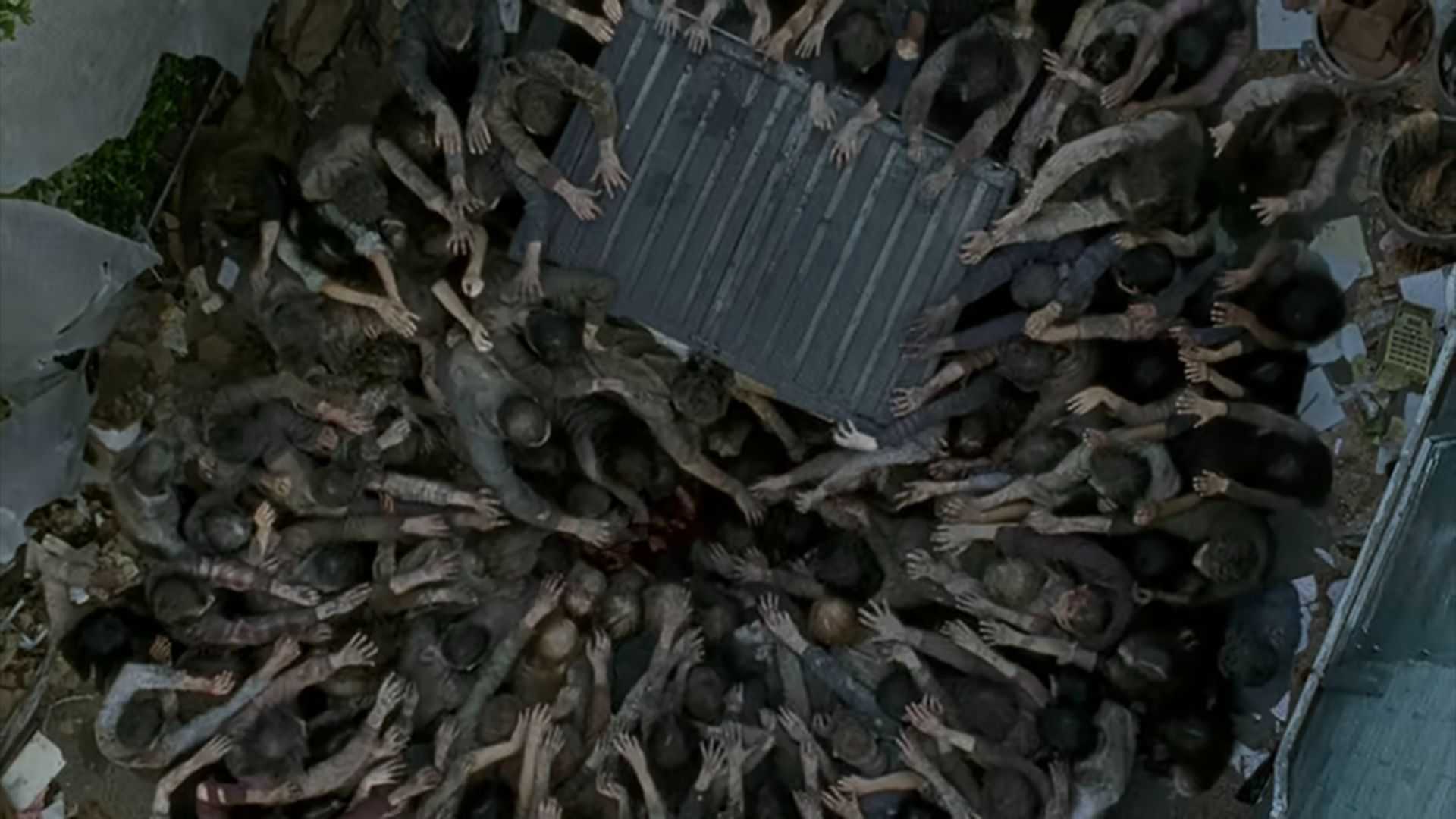
Glenn under the zombies in The Walking Dead episode Thank You. Netflix
While the reveal eliminated the franchise’s biggest mystery and broke Robert Kirkman’s long-held principle of never explaining the virus’s origin, it also opened the door to a fascinating new era for the series. Now that all the material from the long-running comic book series has seemingly been exhausted within The Walking Dead television universe, a deeper exploration of the virus’s origin and its possible cure could sustain the franchise for at least another decade. That exploration is already underway: Dead City‘s third season aired in the summer of 2026, and Daryl Dixon has been renewed for a fourth and final season.
While viewers are divided over the decision to reveal the virus’s origin, it was necessary to maintain interest in the franchise, since it represents only one piece of a larger puzzle. It also hasn’t changed the show’s overall narrative structure, which remains grounded in the micro-dynamics of human nature. The characters themselves are largely indifferent to it, too; most of them couldn’t care less about how or why the zombie apocalypse started.

- Release Date
-
2010 – 2022-00-00
- Network
-
AMC