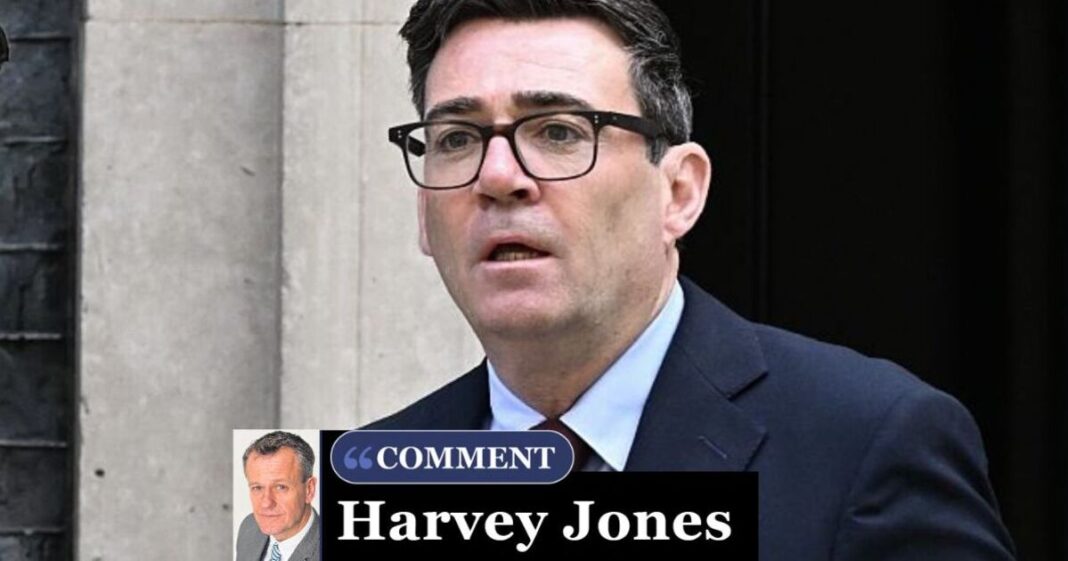
Now Burnham is considering how to use the first to win the second. Healey will deliver the Budget on October 28 and he’s been desperate to keep the lid on speculation. But the PM and chancellor are reportedly running the rule over a Budget submission from millionaire Labour donor Dale Vince, founder of green energy firm Ecotricity. Vince wants Healey to hike two key taxes, then use the money to fund a tax cut that might just turn out to be an election winner.
A tax cut from Andy Burnham? Seriously? So far, all this Labour government has done is hike. As well as driving up spending, welfare, the national debt and borrowing costs. Experts expect Burnham to deliver “another socialist tax and spend Budget”, but this new plan would be a striking change of direction. And it could put hundreds of pounds a year into the pockets of the lowest earners. But first, let’s look at how Healey would pay for it.
Vince wants to axe the interest the Bank of England pays commercial banks on the reserves they hold with it. It hands the big banks up to £40billion a year. Many have attacked this, including Reform UK’s Nigel Farage. Why should taxpayers hand banks billions? But this isn’t simply free money being handed to the banks. Paying interest on reserves is part of how the Bank controls interest rates. Scrap it and another mechanism would be needed. Burnham may decide that’s worth it.
The second big proposal does involve, with grim inevitability, a tax hike. In this case, to capital gains tax. CGT is charged when people sell assets such as shares held outside an ISA, second homes, antiques, cryptocurrency and businesses. Today, basic rate taxpayers pay 18% while the better off pay 24%.
Labour politicians, including Burnham backer Louise Haigh, have argued for bringing CGT rates closer to income tax, by hiking upper CGT rates to 40% and 45%.
Vince’s submission claims it could raise £14billion. Again, there’s a catch. When HMRC modelled a CGT hike, it found a 10 percentage-point increase in the higher rate could actually cut the amount collected by £3.6billion a year by 2029, as people hold onto assets rather than sell them.
There’s another danger. Hit successful businesses and entrepreneurs too heavily and Britain risks making itself an even less attractive place to invest, build companies and create wealth. It’s already struggling on that front, thanks to Rachel Reeves’s raids and the growing demonisation of wealth and success.
Burnham might go for it anyway. Why? Because it gives him the opportunity to do something so popular that it could pave the way for a snap election victory. The personal allowance has been frozen at £12,570 since 2022 and thanks to Reeves, it’s due to stay there until 2031. Now there are reports that Burnham and Healey would like to hike that by a stunning £3,000 from April 2027, lifting it to £15,570.
That would cost around £20billion but could save the lowest fifth of earners £600 a year. That’s money they would mostly spend, boosting the everyday economy. There’s another advantage. It would also deal with a looming state pension problem. The new state pension is set to rise above the £12,570 personal allowance next year, dragging even more pensioners into income tax. Problem solved.
So there you have it. A tax raid on bank reserves and capital gains, funding a huge tax cut for working people.
It’s a radical proposition and one that could put a tax break, rather than yet another tax rise, at the centre of the October 28 Budget. If Burnham followed up with a snap November election, there’s a chance he could get the mandate he dreams of.
It might just be the nightmare scenario for Kemi Badenoch and Nigel Farage. And in the longer run, taxpayers. With Labour in power for another five years, the tax hikes will surely start rolling along. Only this time, Burnham would have his mandate for them.