
September 13, 2026
02:03 GMT+5:30
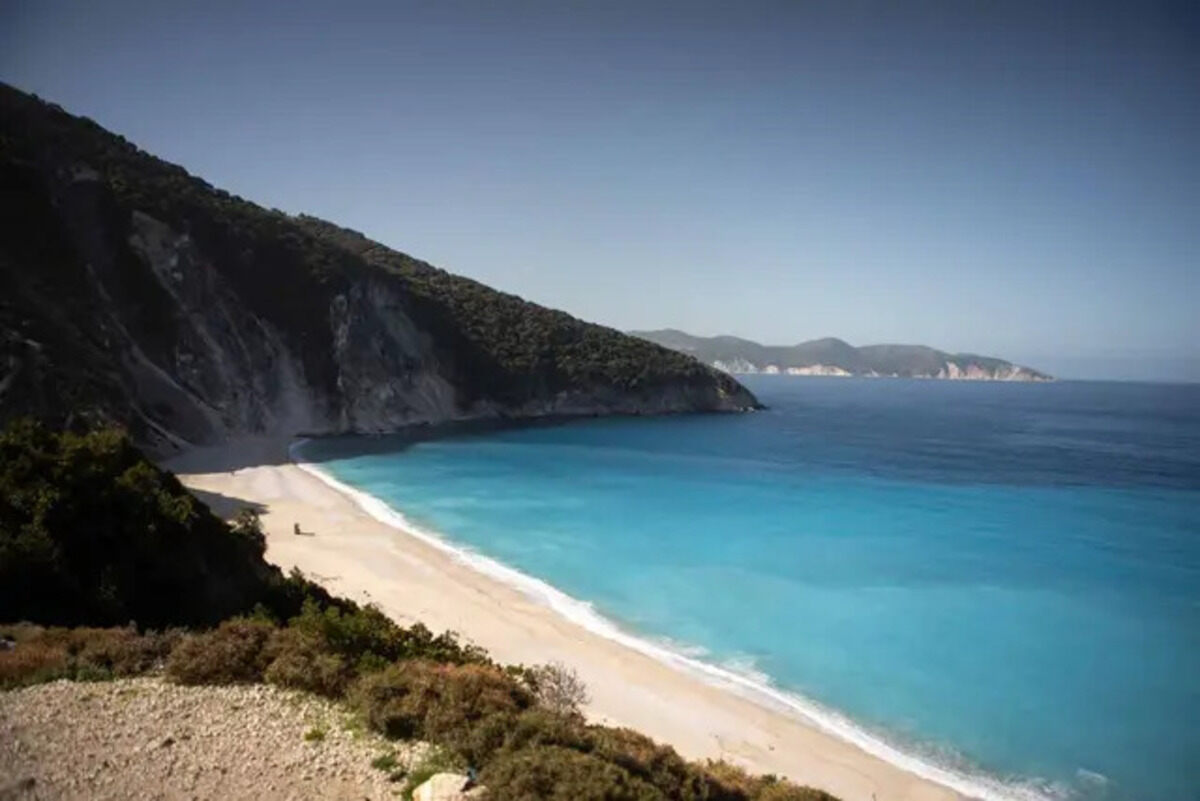
Image Source : Greece Tourism
In 2027, these 10 destinations in Greece, Sweden, and beyond will offer travelers fewer crowded locations and support local communities, sustainability, and responsible tourism. Some places, like Greece’s Alonnisos, are starting to gain popularity and attract more people, while other places, like Sweden, have lots of areas that are still pretty unexplored. Kenya and Chile are also starting to get more off the beaten path travel and offer more unique sustainable opportunities. UNWTO cites all of these locations as settings that will lead a new era of travel focused more on cultural, sustainable, and explorative trips.
Intrepid Travel has unveiled its 2027 Not Hot List, highlighting ten lesser-known destinations that could offer travellers an alternative to some of the world’s most crowded tourism hotspots. The annual selection focuses on places where tourism can support local communities, strengthen conservation efforts and spread visitor spending beyond already heavily visited cities, islands, parks and heritage attractions.
The 2027 list reflects a growing shift towards more balanced tourism. Instead of directing visitors towards destinations already struggling with large crowds, pressure on infrastructure and environmental concerns, the selection promotes regions where additional tourism could deliver wider economic and social benefits.
Several destinations on the list are linked to Indigenous tourism, community-run experiences, conservation initiatives and rural development. Others provide alternatives to famous destinations where visitor numbers have become increasingly concentrated.
From wildlife reserves in Kenya and mountain communities in Georgia to the remote landscapes of Chilean Patagonia, the destinations offer travellers a chance to discover places that remain comparatively less explored.
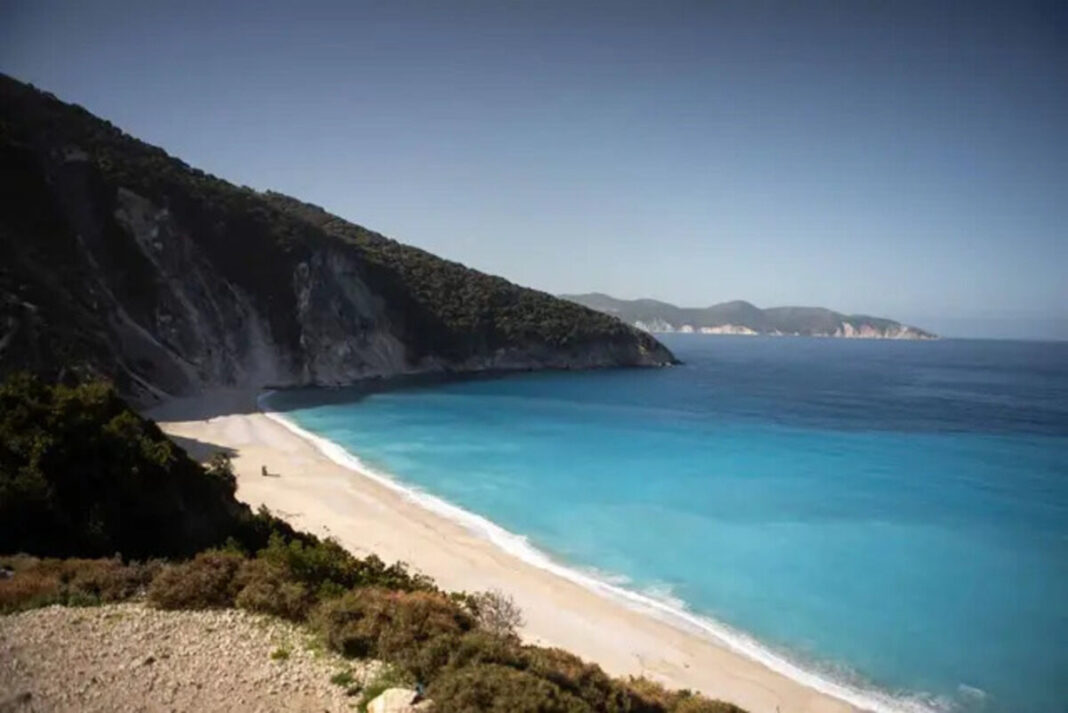
Alonnisos Offers a Quieter Alternative in Greece
Alonnisos provides travellers with a different way to experience Greece at a time when several of the country’s most famous islands continue to face intense seasonal tourism demand.
Located in the Sporades, the island combines traditional settlements, clear waters and natural landscapes with a quieter tourism environment.
Encouraging visitors towards destinations such as Alonnisos can help spread tourism activity beyond Greece’s most heavily visited islands.
For travellers looking for an island holiday without the same level of congestion found in more famous Greek destinations, Alonnisos offers a compelling alternative.
Dalarna Promotes Sweden’s Accessible Wilderness
Dalarna is positioning itself as an outdoor destination where travellers can experience Sweden’s forests, lakes and countryside without travelling to the country’s far north.
The region offers hiking, cycling and gravel-riding opportunities alongside traditional villages and extensive natural landscapes.
Its growing focus on outdoor tourism provides an alternative to Scandinavia’s more famous wilderness destinations.
For travellers looking for a combination of nature, accessibility and lower visitor density, Dalarna represents a different way to explore Sweden.
Samburu National Reserve in Kenya Brings Wildlife and Community Tourism Together
Samburu National Reserve in northern Kenya provides a quieter wildlife experience than some of East Africa’s better-known safari areas. The destination combines dramatic landscapes, important wildlife habitats and community-based tourism.
Tourism in the wider Samburu region has increasingly been connected with conservation and local livelihoods. Travellers can experience Kenya’s famous wildlife while supporting tourism models involving surrounding communities.
Its inclusion reflects efforts to encourage visitors to explore beyond the country’s busiest national parks and safari circuits. For travellers looking for wildlife without concentrating further demand in the most heavily visited reserves, Samburu offers an increasingly important alternative.
Mestia Opens the Door to Georgia’s Dramatic Caucasus Mountains
Mestia, in Georgia’s mountainous Svaneti region, is emerging as an increasingly accessible base for travellers interested in trekking, history and remote landscapes.
Investment in regional air connectivity is expected to improve access to this part of the Caucasus. The wider region is known for medieval defensive towers, traditional mountain settlements and spectacular alpine scenery.
The area also connects travellers with sections of the Transcaucasian Trail, giving hikers access to landscapes that remain far less crowded than many of Europe’s major walking destinations.
Mestia’s combination of heritage, mountains and outdoor adventure gives Georgia another opportunity to distribute international tourism beyond its most established visitor centres.
Whitehorse Connects Travellers With Yukon Wilderness and Indigenous Heritage
Whitehorse in Canada’s Yukon territory offers access to some of North America’s vast northern landscapes while providing opportunities to learn about the history and culture of Yukon First Nations.
The destination combines wilderness, wildlife, outdoor recreation and Indigenous experiences.
Travellers can use Whitehorse as a base for exploring the surrounding territory, where forests, rivers and expansive landscapes remain central to the visitor experience.
Its position on the list highlights the growing importance of tourism experiences that allow local and Indigenous communities to share their heritage while creating economic opportunities connected with responsible travel.
Dili Signals a New Tourism Chapter for Timor-Leste
Dili is becoming more accessible as Timor-Leste strengthens its tourism infrastructure and international connectivity.
Improved flight options, tourism investment and community-led experiences are creating new opportunities for visitors to explore one of Southeast Asia’s less-visited countries.
The capital provides a gateway to coastal scenery, cultural attractions and communities across the country.
Greater tourism development could create economic opportunities while allowing Timor-Leste to shape its visitor economy before the destination reaches the tourism volumes recorded elsewhere in Southeast Asia.
Jordan’s Northern Highlands Offer a Greener Side of the Country
Jordan’s Northern Highlands provide a contrasting experience to the country’s globally recognised attractions such as Petra and Wadi Rum.
The region is characterised by forested landscapes, archaeological remains, Roman heritage and smaller communities offering locally based tourism experiences.
Expanding tourism into northern Jordan could help distribute visitor spending more widely while introducing international travellers to parts of the country that often receive less attention.
For visitors familiar with Jordan’s desert landscapes, the north reveals a greener environment and a different side of the country’s history, culture and natural scenery.
Sri Lanka’s Pekoe Trail Opens Up the Central Highlands
The Pekoe Trail takes travellers through Sri Lanka’s lush central highlands, passing tea estates, forests, mountain landscapes, rivers and rural villages.
The long-distance walking route offers a slower way to explore the island beyond its busiest coastal and cultural tourism centres.
Improving international air connectivity is also making Sri Lanka easier to reach from several markets, strengthening opportunities for visitors to combine established attractions with newer walking experiences.
The trail passes through landscapes closely connected with Sri Lanka’s tea heritage and provides opportunities for communities along the route to benefit from visitor spending.
Liepāja Takes Travellers Beyond Latvia’s Capital
Liepāja on Latvia’s Baltic coast offers travellers an opportunity to explore the country beyond Riga.
The city combines broad white-sand beaches with architecture, music, cultural heritage and a distinctive coastal atmosphere.
Its inclusion highlights efforts to spread tourism across Latvia instead of concentrating international visitors mainly in the capital.
Liepāja also provides a useful base for travellers interested in the Baltic coastline and smaller urban destinations where cultural experiences can be combined with nature and outdoor activities.
Chile’s Carretera Austral Reveals a Wilder Side of Patagonia
The Carretera Austral runs through remote areas of Chilean Patagonia, passing fjords, glaciers, forests, rivers and mountains.
The route offers road-trip travellers an alternative to Patagonia’s most famous southern parks and trekking destinations.
Northern Patagonia remains comparatively less visited, giving travellers more opportunities to experience remote landscapes while distributing tourism across a larger geographical area.
The road has become one of Chile’s most distinctive adventure routes, particularly for visitors interested in self-drive journeys, hiking and wilderness experiences.
Tourism in 2027 Could Move Beyond the Familiar
The 2027 Not Hot List reflects a wider tourism challenge facing destinations worldwide. Popular cities, islands, national parks and heritage sites continue to attract enormous demand, while many neighbouring regions receive only a fraction of those visitors.
Encouraging travellers to explore less familiar places can distribute economic benefits more evenly, create new opportunities for communities and reduce pressure on destinations already managing high tourism volumes.
Greece, Sweden and more are emerging as the world’s next travel hotspots in 2027, offering authentic, sustainable experiences beyond crowded destinations while supporting local communities and conservation.
In 2027, as travel begins to transform and reform, travelers will have growing interest in destinations beyond the typical tour circuit. These destinations will attract travelers who are looking for more meaningful experiences and more responsible travel. These emerging destinations are constructively showing travel, tourism, and business in a way that will preserve natural and cultural heritage. This new form of travel encourages deeper exploration and travel to locations that will not long be undiscovered.
Advertisement
Advertisement