Sci-fi can take us to the strangest places, but its best stories are often about people and their problems. Lost turns a mysterious island into a sprawling examination of faith, purpose, and the stories we tell ourselves. Apple TV’s hit series Severance, on the other hand, uses a chilling workplace environment to explore corporate control, identity, and grief. High-concept sci-fi thrillers use unusual premises to hook you and question the world outside the screen.
HBO’s The Leftovers belongs in the same conversation as Lost and Severance. The series earned a 91% critics’ score on Rotten Tomatoes, ran for three seasons and 28 episodes, and has become a modern sci-fi classic despite never drawing huge ratings when it aired. Created by Damon Lindelof and Tom Perrotta, The Leftovers arrived in 2014 with an idea that could have easily become another mystery-box thriller. Instead, it took a more daring route.
‘The Leftovers’ Reinvents the Sci-Fi Mystery Formula by Refusing to Solve It
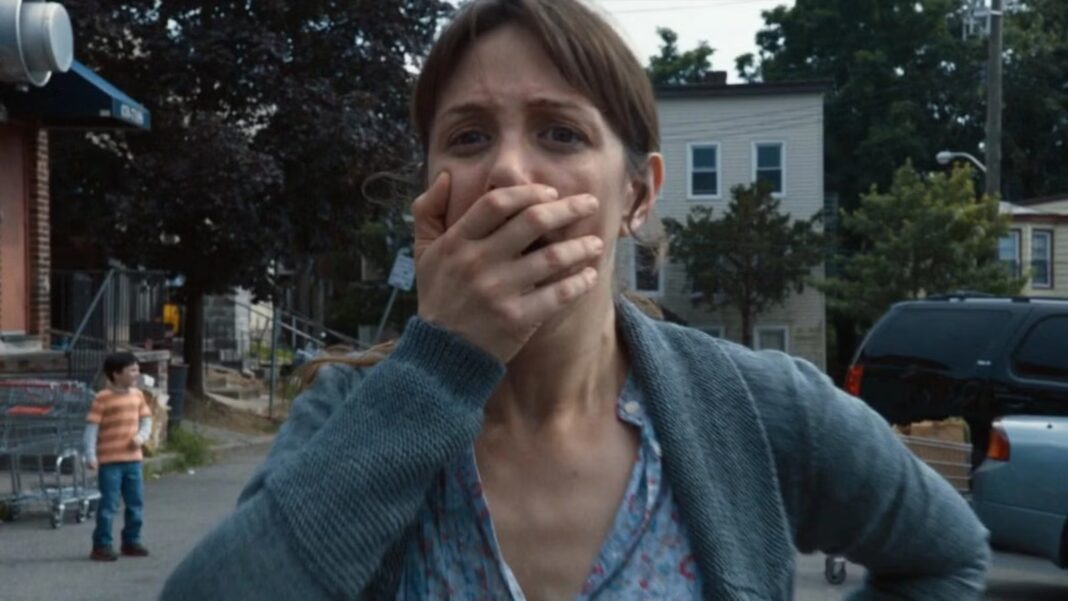
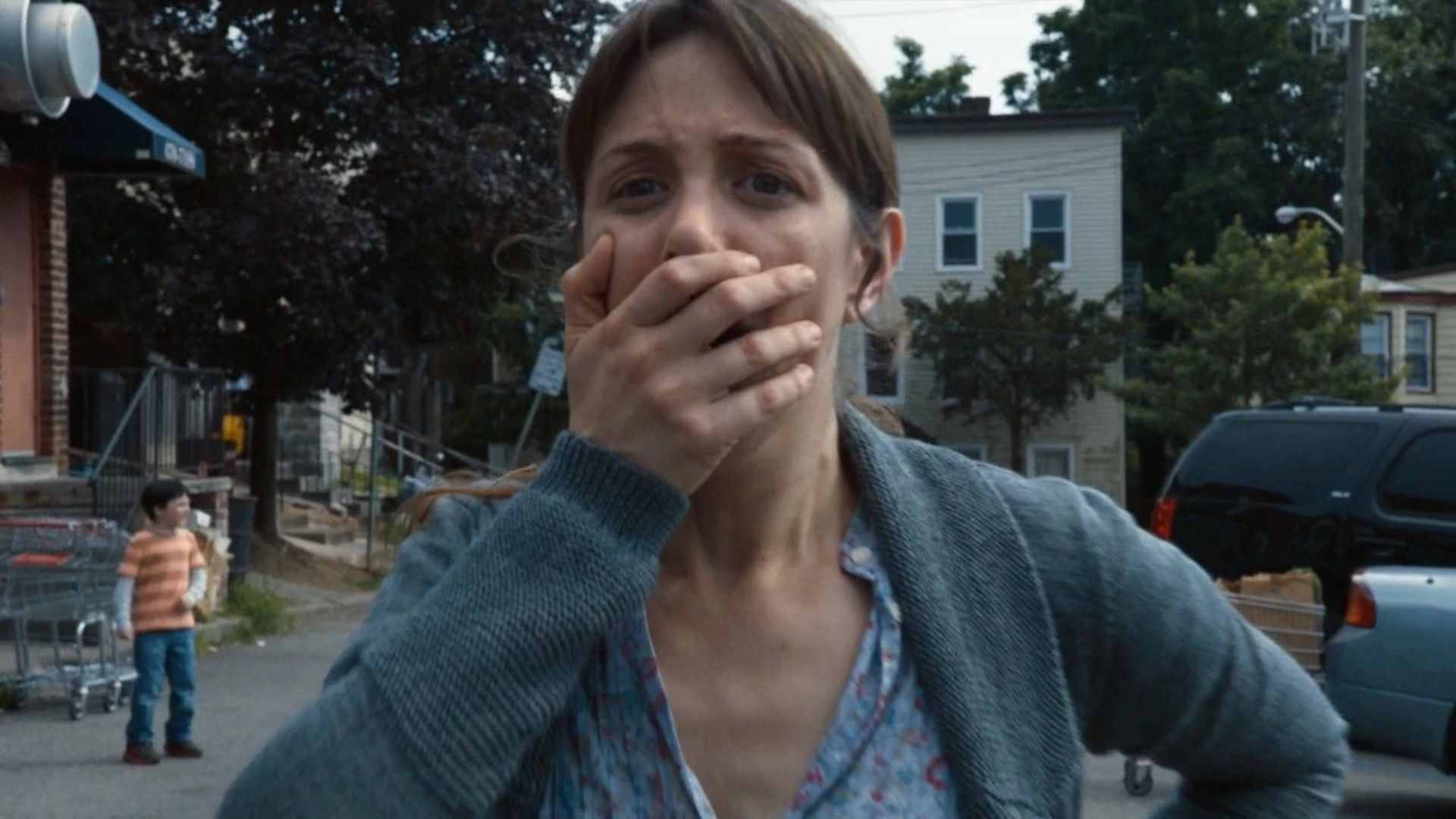
The Leftovers begins like a traditional sci-fi thriller. One day, 2% of the world’s population vanishes without explanation, leaving millions behind to grapple with the aftermath. Three years later, those who remain are trying to rebuild their lives in a world where familiar beliefs no longer exist.
The event, known as the Sudden Departure, could have launched an intriguing investigation into who disappeared, where they went, and what caused it. The series is more interested in the people left behind than in delivering a scientific explanation for an event that seems impossible.
That choice is what makes The Leftovers stand out. The central question isn’t a puzzle waiting to be solved. It’s a wound that refuses to close. Families fracture, relationships change, and people reach for whatever answers might help them get through another day. The show’s sci-fi premise becomes a way to examine religious belief, guilt, and the human instinct to find meaning in everything.
The Leftovers also has impeccable world-building. It doesn’t rely on futuristic technology or interconnected timelines. Instead, it focuses on how society responds to the Departure. The Guilty Remnant became one of TV’s most unsettling fictional organizations. The series also allows uncertainty to remain part of the experience, delivering a sci-fi drama like no other.
‘The Leftovers’ Deserves Its Cult Following
As noted, The Leftovers imagines a society responding to an event that defies any established belief. The Guilty Remnant, with their white clothing, chain-smoking, and refusal to speak, are an unnerving cult. Their silent presence turns ordinary streets into places of confrontation.
Holy Wayne’s followers gather around a man who promises emotional relief, showing how easily desperation can turn into devotion. That concept has real-life parallels: people often latch on to false promises to escape painful realities. The Leftovers uses these groups to represent the different ways the characters try to live in a world that no longer makes sense.
The performances add gravitas. Justin Theroux plays Kevin Garvey with a volatile mix of authority and vulnerability, and Carrie Coon’s Nora Durst brings a devastating sense of loss to the series. Ann Dowd makes Patti Levin frightening, and Christopher Eccleston gives Matt Jamison’s shaken faith a relatable human edge. While the characters disagree about what the Departure means, the show never treats them as delusional or foolish.
The live ratings of The Leftovers never reflected its quality. The series premiere drew 1.8 million viewers in its initial broadcast, but the Season 2 premiere drew 713,000, and one episode that aired three weeks later drew just 519,000 viewers (via Deadline).
Still, its critical standing rose as the series improved with every season. Its Rotten Tomatoes scores climbed from 82% for Season 1 to 94% for Season 2 and 99% for Season 3. The upward trajectory captures the show’s evolution. The Leftovers may have started as a cult hit, but its willingness to embrace ambiguity, discomfort, and unimaginable concepts helped turn it into a rare sci-fi classic.