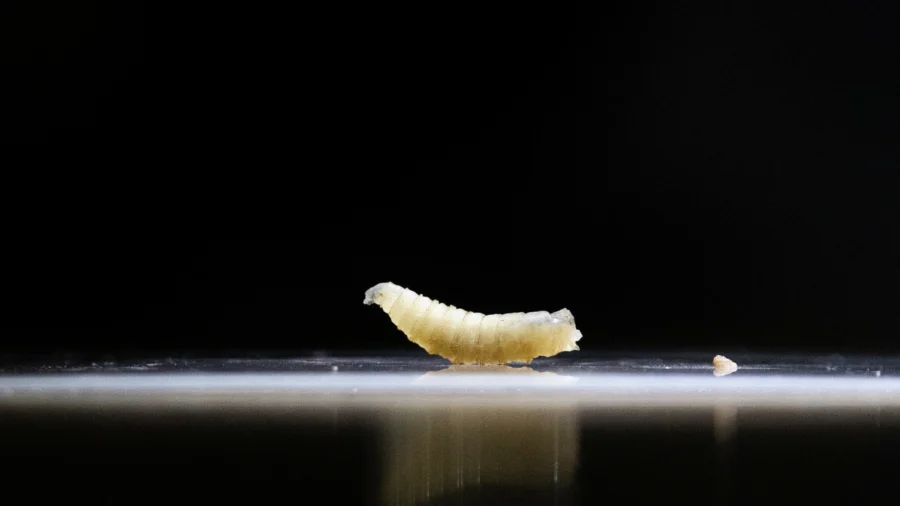
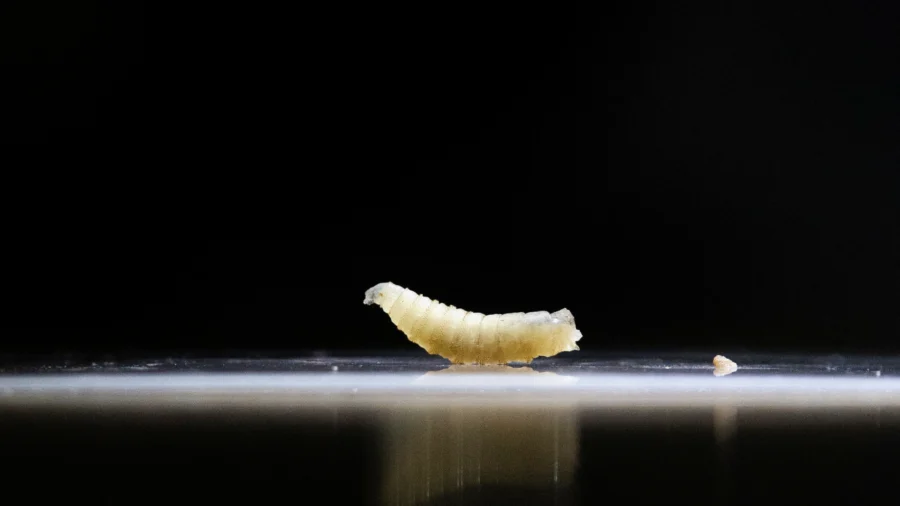
Hunters and ranchers are being asked to watch for a flesh-eating parasite after officials confirmed New World screwworm in a Texas elk, representing the first detection in U.S. wildlife.
For hunters heading into the field, the message is simple: Look closely before cutting into an animal or moving its body.
“We encourage all hunters and landowners to be vigilant for signs of New World screwworm while they are out in the field this season,” said Alan Cain, the department’s wildlife division director.
A sample from the elk was identified and confirmed as New World screwworm at the ARS Knipling-Bushland U.S. Livestock Insects Research Laboratory in Kerrville.
“The partnership between TPWD biologists and local hunters and landowners expedited the identification and confirmation of this new detection,” Cain said.
The Texas Animal Health Commission will change an existing infested zone following the find, both agencies said. The USDA and state wildlife department are also conducting more wildlife surveillance nearby.
Hunters, ranchers, and others who spend time outdoors can help spot cases that might otherwise go unnoticed. People near infested areas may be among the first to see wildlife showing signs of trouble, making their reports especially useful.
Those signs can include open wounds that drain or grow larger, a foul smell, and visible maggots in wounds or body openings. Animals may also seem weak, sluggish, alone, or in distress.
Hunters should also watch for head shaking, loss of appetite, irritated behavior, or the smell of decaying flesh.
After a kill, hunters should check the animal’s eyes, ears, nose, mouth, genital area, and other moist body openings before field dressing or moving it.
The inspection should also go beyond those areas. Hunters should run their hands along the animal’s body and check its feet and between its toes for wounds, bad smells, or maggots.
Quick reporting gives animal health officials a chance to respond sooner and helps limit the parasite’s spread. The state agency said those efforts help protect wildlife, livestock and pets.
Anyone who suspects an infestation in a wild animal should contact a local Texas Parks and Wildlife Department biologist or call 512-389-4505.
Suspected cases involving livestock or pets should be reported to a Texas Animal Health Commission regional office or its veterinarian on call at 800-550-8242.
Hunters and landowners can find an inspection video and a guide through the state wildlife department. More guidance is available at screwworm.texas.gov and through the wildlife information section of Screwworm.gov.