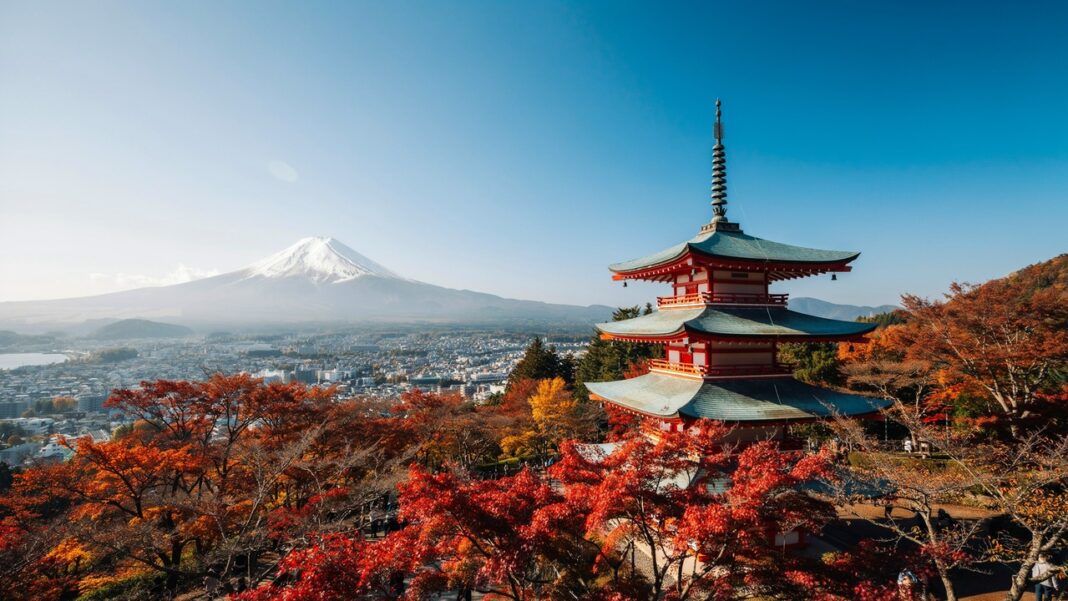
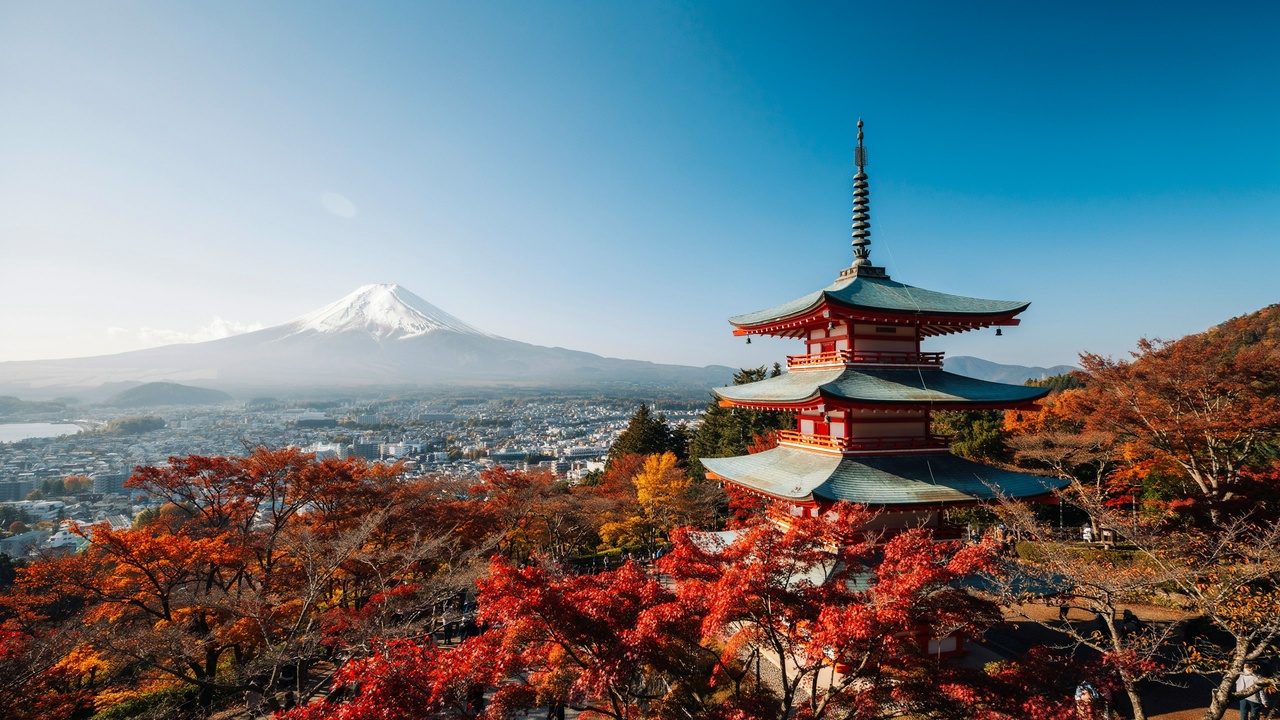
Image generated with Ai
Asia is expected to witness a strong autumn travel season in 2026 as destinations including Japan, South Korea, Thailand, Vietnam, Indonesia, Malaysia, Singapore, Sri Lanka, and Bhutan benefit from seasonal attractions, improved connectivity, cultural events, nature tourism, and rising international demand., driven by seasonal attractions, improved connectivity, cultural events, nature experiences, and rising demand from regional and long-haul markets. Countries including Japan, South Korea, Thailand, Vietnam, Indonesia, Malaysia, Singapore, Sri Lanka and Bhutan are positioned to benefit from travellers seeking cooler weather, autumn landscapes, festivals, food tourism and outdoor experiences.
Asian Countries Expected to Attract Strong Traveler Demand During Autumn Travel Season 2026
| Country | Key Autumn 2026 Travel Drivers | Popular Autumn Experiences | Main Source Markets Expected To Support Growth | Tourism Advantages | Important Factors For Travellers |
|---|---|---|---|---|---|
| Japan | Autumn foliage season, cultural tourism, food experiences, heritage travel, improved international connectivity | Kyoto temples, Mount Fuji views, Tokyo autumn events, traditional gardens, hot springs, seasonal cuisine | South Korea, United States, Southeast Asia, India, Taiwan, Europe | One of Asia’s strongest autumn destinations due to iconic red maple landscapes and cultural attractions | Peak foliage periods may create heavy crowds in Kyoto, Tokyo and popular national parks. Weather conditions can vary due to changing climate patterns. |
| South Korea | K-culture popularity, autumn mountains, festivals, culinary tourism and growing international arrivals | Seoul cultural districts, Nami Island, Seoraksan National Park, traditional villages, autumn festivals | Japan, China, Southeast Asia, India, United States | Combines modern entertainment with seasonal nature experiences | Travellers may see increased demand around national parks and major cultural festivals. |
| Thailand | Cooler weather from late autumn, beaches, wellness tourism, luxury travel, island escapes | Bangkok experiences, Chiang Mai landscapes, Phuket beaches, wellness retreats, food tourism | India, China, Europe, Middle East, Southeast Asia | Strong tourism infrastructure and year-round attractions | International arrivals remain important for recovery and growth, although airlines and operators continue monitoring cost pressures. |
| Vietnam | Expanding international tourism, cultural heritage, beaches, mountain landscapes and affordable travel | Ha Long Bay, Hanoi autumn weather, Sapa landscapes, Hoi An heritage experiences | South Korea, China, India, Europe, Southeast Asia | Rapidly growing destination with diverse attractions | Vietnam’s tourism recovery has been supported by rising international arrivals and renewed interest in cultural travel. |
| Indonesia | Nature tourism, island exploration, wellness travel and cultural experiences beyond Bali | Bali, Java volcano routes, Komodo National Park, Flores, traditional villages | Australia, India, China, Southeast Asia, Europe | Offers beaches, biodiversity and adventure tourism | Travellers are increasingly looking beyond Bali towards lesser-known islands. |
| Malaysia | Affordable city breaks, food tourism, rainforest experiences, island holidays | Kuala Lumpur, Penang food trails, Langkawi, Sabah wildlife | China, India, Singapore, Indonesia, Middle East | Easy regional access and diverse tourism products | Autumn benefits from comfortable conditions in many destinations, although regional weather should be checked. |
| Singapore | Luxury tourism, events, shopping, gastronomy and stopover travel | Marina Bay attractions, cultural districts, food experiences, family tourism | India, China, Indonesia, Australia, Southeast Asia | Strong aviation connectivity and premium tourism facilities | High-value travellers and short-break visitors are expected to remain important markets. |
| Sri Lanka | Wildlife tourism, heritage routes, beaches, tea plantations and adventure travel | Ella, Kandy, national parks, ancient cities, coastal areas | India, Europe, Middle East, Southeast Asia | Compact destination offering multiple experiences in one trip | Infrastructure improvements and seasonal weather patterns will influence travel choices. |
| Bhutan | Sustainable tourism, mountain scenery, cultural heritage and wellness travel | Himalayan landscapes, monasteries, trekking, local festivals | India, United States, Europe, Southeast Asia | Limited-volume tourism model focused on premium experiences | Advance planning is important due to controlled tourism capacity. |
| Philippines | Island tourism, diving, beaches and adventure travel | Palawan, Cebu, Boracay, cultural festivals | South Korea, Japan, United States, China, Australia | Strong appeal for beach and marine tourism | Autumn travel demand depends on weather conditions and typhoon activity. |
| Taiwan | Food tourism, mountain landscapes, cultural experiences and city travel | Taipei, Alishan forests, night markets, hot springs | Japan, South Korea, Southeast Asia, United States | Combines urban attractions with natural landscapes | Weather monitoring remains important during the autumn storm season. |
| Uzbekistan (Central Asia) | Silk Road tourism, heritage exploration and cultural journeys | Samarkand, Bukhara, Khiva, historic routes | Europe, Asia, Middle East | Growing alternative destination for history-focused travellers | Autumn offers favourable conditions for heritage sightseeing. |
Which Asian countries are expected to lead the autumn travel boom in 2026?
Asia is preparing for a major autumn travel season in 2026 as millions of visitors are expected to explore destinations offering cooler weather, colourful landscapes, cultural festivals, heritage experiences, and outdoor adventures. Countries across East Asia, Southeast Asia, and South Asia are strengthening tourism strategies to capture rising international demand.
Japan is expected to remain one of the most attractive autumn destinations because of its famous fall foliage, historic cities, traditional gardens, and seasonal culinary experiences. Destinations such as Kyoto, Tokyo, Nara, and Mount Fuji continue to draw travellers searching for iconic autumn scenery. The country’s strong transport network and international air connections are also supporting visitor growth through the season.
South Korea is also expected to experience increased demand as travellers combine autumn nature experiences with the global popularity of Korean culture. Mountain destinations, cultural villages, food tourism, and entertainment attractions are becoming increasingly important parts of international travel plans.
Advertisement
Advertisement
Meanwhile, Southeast Asian countries are expected to benefit from travellers seeking warmer destinations, beach escapes, wellness experiences, and affordable luxury holidays. Thailand, Vietnam, Indonesia, Malaysia, and Singapore are positioned to attract visitors through diverse tourism products and improved regional connectivity.
Advertisement
Advertisement
According to tourism information published by destinations such as the official Japan National Tourism Organization and Tourism Authority of Thailand, autumn remains a key period for international visitors seeking seasonal experiences and cultural exploration.
Why is Japan expected to become Asia’s biggest autumn travel attraction?
Japan’s autumn season continues to hold strong international appeal because it combines natural beauty, cultural heritage, and modern tourism infrastructure. The country’s famous red and golden maple landscapes create a powerful attraction for visitors from across the world.
Kyoto is expected to remain one of the busiest destinations during the autumn months, with travellers visiting historic temples, traditional gardens, and cultural districts. Areas such as Arashiyama and Higashiyama become particularly popular as visitors experience seasonal colours alongside Japan’s historic architecture.
Advertisement
Advertisement
Beyond Kyoto, destinations including Hokkaido, Nikko, Osaka, and the Japanese Alps are expected to attract travellers searching for less crowded alternatives. Mountain regions provide opportunities for hiking, photography, hot spring visits, and rural tourism experiences.
Japan’s food tourism sector is also expected to support autumn demand. Seasonal ingredients, traditional restaurants, local markets, and regional cuisine provide additional reasons for visitors to extend their stays.
Advertisement
Advertisement
The country’s continued investment in tourism services, digital travel support, and international accessibility is helping strengthen its position as a leading Asian destination. The Japan Tourism Agency continues promoting sustainable tourism development and improving visitor experiences across regions.
However, high demand during peak foliage periods may create challenges. Popular destinations could experience increased hotel demand, transportation pressure, and crowded attractions. Travellers planning autumn trips are expected to book accommodation and transport services earlier.
How will South Korea attract international travellers during autumn 2026?
South Korea is expected to see growing autumn tourism demand as visitors look beyond major cities and explore natural landscapes, cultural attractions, and seasonal events.
The country’s mountain destinations are among the biggest attractions during the autumn season. Seoraksan National Park, located in northeastern South Korea, becomes a major destination for visitors seeking colourful forests and hiking experiences. Other regions, including Jeju Island and traditional rural areas, are also expected to benefit from increased interest.
Seoul will remain a major gateway for international travellers. The city combines modern attractions, shopping districts, entertainment venues, historic palaces, and culinary experiences. Many visitors are expected to create travel itineraries that mix urban exploration with countryside experiences.
Advertisement
Advertisement
The global popularity of Korean entertainment and culture continues supporting tourism demand. International visitors increasingly combine cultural interests with food experiences, traditional activities, and seasonal sightseeing.
South Korea’s tourism authorities are also focusing on expanding regional tourism opportunities and encouraging visitors to explore destinations beyond Seoul. The Korea Tourism Organization promotes cultural, nature, and local travel experiences aimed at international markets.
Autumn 2026 could provide additional opportunities for smaller cities and rural destinations as travellers increasingly search for authentic experiences and less crowded locations.
Why are Thailand and Vietnam becoming major autumn travel choices?
Thailand and Vietnam are expected to remain among Southeast Asia’s strongest performers during autumn 2026 because they offer a combination of beaches, culture, food, nature, and affordable travel experiences.
Thailand continues attracting international visitors through destinations such as Bangkok, Phuket, Chiang Mai, Krabi, and Koh Samui. Autumn provides opportunities for travellers seeking wellness retreats, island holidays, cultural exploration, and culinary tourism.
Advertisement
Advertisement
Chiang Mai is expected to attract visitors interested in mountains, temples, local traditions, and outdoor experiences. Meanwhile, Thailand’s island destinations remain popular among travellers looking for tropical escapes.
Vietnam is also expected to experience continued growth as international travellers discover its heritage cities, coastal regions, and natural landscapes. Hanoi, Ha Long Bay, Hoi An, Da Nang, and Sapa remain key attractions.
The country’s combination of historic sites, scenic landscapes, and competitive travel costs makes it appealing for both first-time visitors and repeat travellers. The Vietnam National Authority of Tourism continues promoting cultural tourism, sustainable development, and international visitor growth.
Both countries are expected to benefit from strong regional travel demand as airlines continue expanding connections across Asia. Shorter travel distances and increasing flight options are encouraging more multi-country Asian holidays.
Can Indonesia Malaysia and Singapore capture more autumn travellers?
Indonesia, Malaysia, and Singapore are expected to attract international visitors during autumn 2026 by offering different travel experiences ranging from island adventures to luxury city breaks.
Advertisement
Advertisement
Indonesia is expected to continue expanding beyond Bali as travellers discover destinations such as Lombok, Flores, Java, and Komodo National Park. Nature tourism, marine experiences, cultural exploration, and wellness retreats are becoming increasingly important parts of Indonesia’s tourism strategy.
Bali remains a major international destination, but government tourism campaigns are encouraging visitors to explore more regions. This approach aims to spread tourism benefits across different communities.
Malaysia is also positioned for growth through its combination of food tourism, heritage cities, islands, and rainforest experiences. Kuala Lumpur, Penang, Langkawi, Sabah, and Sarawak offer diverse attractions for international visitors.
Singapore is expected to benefit from its role as a regional aviation hub. The country attracts travellers through luxury hotels, shopping, entertainment, business travel, and short-stop holidays. Its strong airport connectivity makes it an important gateway for wider Asian journeys.
The Singapore Tourism Board continues developing tourism experiences focused on culture, lifestyle, events, and premium travel.
Advertisement
Advertisement
Why are Sri Lanka and Bhutan gaining attention among autumn travellers?
Sri Lanka and Bhutan are emerging as attractive choices for travellers searching for nature, culture, and slower travel experiences.
Sri Lanka offers a compact travel experience featuring beaches, wildlife parks, tea plantations, ancient cities, and mountain landscapes. Destinations such as Ella, Kandy, Yala National Park, and the southern coastline continue attracting international visitors.
The country’s combination of cultural heritage and natural scenery makes it suitable for travellers seeking varied experiences within a single journey. Autumn visitors may explore wildlife, hiking routes, coastal areas, and historical attractions.
Bhutan continues attracting travellers interested in sustainable tourism, Himalayan landscapes, monasteries, and cultural traditions. The country’s controlled tourism approach supports premium experiences focused on authenticity and environmental responsibility.
Advertisement
Advertisement
Both destinations appeal to travellers who prefer meaningful experiences rather than traditional mass tourism. This trend is expected to become increasingly important during the 2026 autumn season.
What travel trends will shape Asia’s autumn tourism market in 2026?
Several major trends are expected to influence Asia’s autumn tourism landscape in 2026. Seasonal nature travel, cultural experiences, food tourism, wellness holidays, and sustainable tourism are becoming stronger drivers of visitor decisions.
Autumn foliage travel is expected to remain particularly important in Japan, South Korea, and parts of China and Taiwan. Meanwhile, Southeast Asian destinations are expected to attract travellers looking for warmer climates and outdoor experiences.
Food tourism is another major factor. Travellers are increasingly choosing destinations based on local cuisine, traditional markets, and regional dining experiences.
Wellness tourism is also expected to expand, with Thailand, Indonesia, Bhutan, and Sri Lanka benefiting from demand for relaxation, nature-based retreats, and health-focused holidays.
Advertisement
Advertisement
Air connectivity will remain a key factor. Expanding international routes and regional airline networks are expected to make multi-destination Asian trips easier for travellers.
Overall, autumn 2026 is expected to become a significant travel period for Asia. Destinations that combine authentic experiences, strong infrastructure, and sustainable tourism practices are likely to attract increased global attention as travellers search for memorable seasonal journeys.
Strong seasonal demand, growing travel networks, and growing interest in genuine experiences are all influencing Asia’s anticipated autumn tourist increase in 2026. Travelers are drawn to places like South Korea, Japan, and others because they provide distinctive blends of adventure, culture, food, and nature. Travelers’ desire for meaningful trips outside of conventional holidays is reflected in the anticipated rise in arrivals. Improved infrastructure, marketing campaigns, and a variety of travel goods are the ways that destination authorities and tourist companies are responding. Asia is well-positioned to welcome more tourists from across the world who are looking for unique experiences in its cities, landscapes, and historical sites as autumn draws near.