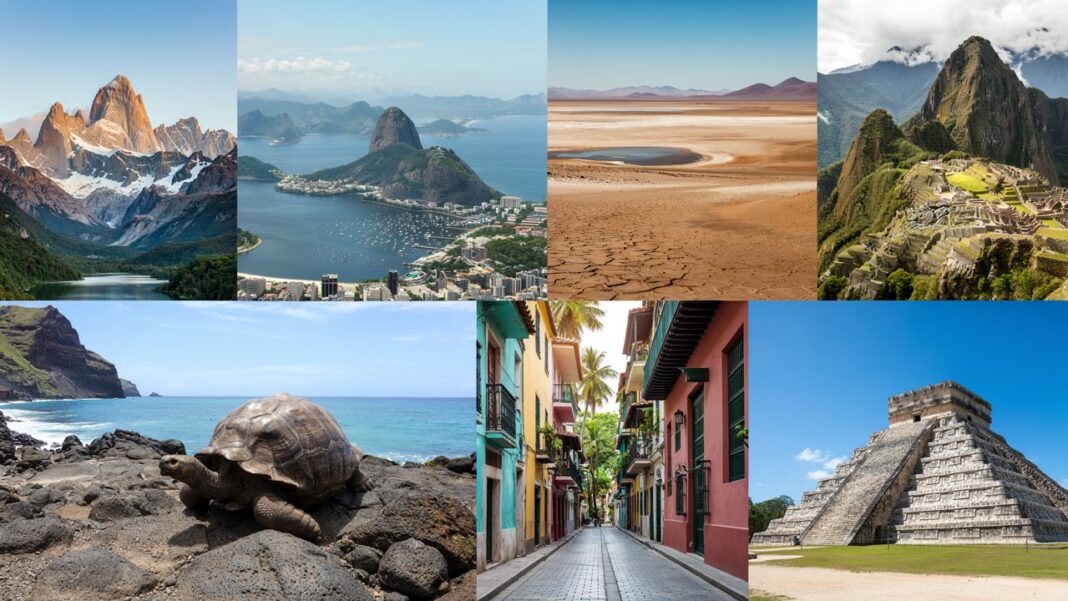

The international travel landscape in Europe is changing. The war involving Iran is leading to disruption of traditional air routes and the decision to travel to certain holiday destinations. The countries benefiting from this transformation will appear to be Argentina, Brazil, Chile, Peru and Ecuador, while Colombia seems more vulnerable in this respect.
Because aviation routes through the regions of the Middle East were disrupted, particularly via Dubai and Doha, the travelers planning their trips to Asia and the Pacific region began to experience uncertainty. Airlines make adjustments in their operations, and travelers rethink their travel plans and opt for South America as an alternative long-distance holiday destination.
Advertisement
Advertisement
Nevertheless, the opportunity may not be equally realized by all. Such factors as air connectivity, reputation of the destination, affordability of the country, travelers’ confidence, and the level of tourism infrastructure should be taken into account in order to decide on the potential success of Latin American countries in terms of attracting international travelers.
Iran Conflict Reshapes European Travel Decisions and Global Aviation Connectivity
The international travel landscape in Europe is changing. The war involving Iran is leading to disruption of traditional air routes and the decision to travel to certain holiday destinations. The countries benefiting from this transformation will appear to be Argentina, Brazil, Chile, Peru and Ecuador, while Colombia seems more vulnerable in this respect.
Advertisement
Advertisement
Because aviation routes through the regions of the Middle East were disrupted, particularly via Dubai and Doha, the travelers planning their trips to Asia and the Pacific region began to experience uncertainty. Airlines make adjustments in their operations, and travelers rethink their travel plans and opt for South America as an alternative long-distance holiday destination.
Nevertheless, the opportunity may not be equally realized by all. Such factors as air connectivity, reputation of the destination, affordability of the country, travelers’ confidence, and the level of tourism infrastructure should be taken into account in order to decide on the potential success of Latin American countries in terms of attracting international travelers.
Advertisement
Advertisement
Argentina Gains Attention Through Buenos Aires, Patagonia and Mendoza
Argentina offers a diverse combination of cultural tourism, natural landscapes and internationally recognized culinary experiences. Buenos Aires remains an important gateway for European travellers interested in architecture, performing arts, restaurants and urban heritage.
Patagonia provides a contrasting attraction through dramatic mountain scenery, glaciers and outdoor adventures. Mendoza strengthens Argentina’s appeal through wine tourism, vineyards and experiences associated with the Andes.
These destinations allow Argentina to attract travellers seeking different holiday styles, from luxury escapes to independent nature-based journeys. The country’s extensive tourism offering also creates opportunities for longer itineraries, particularly among visitors travelling considerable distances from Europe.
Brazil Strengthens Its Appeal Through Beaches, Culture and Tropical Landscapes
Brazil remains one of South America’s most recognizable international tourism destinations. Rio de Janeiro combines beaches, iconic landscapes and cultural attractions, while São Paulo provides opportunities for business travel, gastronomy and urban tourism.
The country’s northeastern coastline offers tropical beaches, historic towns and resort experiences that may appeal to European holidaymakers seeking warmer destinations.
Beyond coastal tourism, Brazil’s natural attractions include the Amazon region, Pantanal wetlands and Iguaçu Falls. Its extensive tourism geography allows visitors to combine multiple experiences within one country, although domestic distances and transport arrangements require careful planning.
Advertisement
Advertisement
Chile Offers Distinctive Adventures Across Deserts, Mountains and Patagonia
Chile presents a compelling alternative for travellers interested in natural landscapes and outdoor tourism. Santiago provides an urban starting point for exploring the country’s cultural attractions, nearby vineyards and mountain scenery.
Northern Chile is internationally recognised for the Atacama Desert, where distinctive landscapes and clear skies attract nature enthusiasts and astronomy visitors. Southern destinations, including Patagonia and Torres del Paine National Park, appeal to travellers seeking hiking, wildlife encounters and dramatic scenery.
Chile’s varied geography provides opportunities for specialised tourism experiences that differ considerably from conventional beach holidays.
Peru Combines Ancient Civilisations with Gastronomy and Andean Heritage
Peru continues to attract international interest through its archaeological heritage, cultural traditions and distinctive landscapes. Cusco and Machu Picchu remain central attractions for visitors exploring the legacy of the Inca civilization.
Lima offers a contrasting experience through its restaurants, museums and coastal urban setting. The Sacred Valley, Lake Titicaca and the Amazon region provide additional opportunities for cultural encounters and nature-based tourism.
For European travellers interested in history, cuisine and immersive experiences, Peru offers itineraries that combine internationally recognised landmarks with regional cultural attractions.
Advertisement
Advertisement
Ecuador Introduces European Visitors to the Andes, Amazon and Galápagos
Ecuador offers remarkable geographical diversity within a comparatively compact territory.
Quito provides access to historic architecture and Andean landscapes, while Cuenca attracts visitors through its preserved urban heritage. The Amazon region introduces travellers to rainforest environments and nature-based experiences. The Galápagos Islands remain among Ecuador’s most distinctive tourism attractions, particularly for visitors interested in wildlife and conservation.
This combination of cultural destinations and natural landscapes gives Ecuador opportunities to attract travellers seeking memorable experiences beyond conventional resort tourism.
Colombia Faces Growing Competition for European Holidaymakers
Colombia presents a different tourism outlook despite its extensive natural and cultural attractions. Bogotá, Medellín and Cartagena offer opportunities for urban tourism, heritage exploration and cultural experiences. The Coffee Cultural Landscape and Caribbean coastline add further diversity.
Nevertheless, attracting European visitors requires more than an appealing destination portfolio. International connectivity, traveller confidence, public security and effective tourism promotion influence booking decisions.
Colombia’s tourism authorities monitor international arrivals, visitor origins and aviation connectivity, providing important information for evaluating its competitiveness.
Advertisement
Advertisement
While some industry reporting indicates weaker European demand, the precise scale of any decline requires comparison using consistent official visitor statistics.
Latin America’s Tourism Opportunities Extend Beyond South America
Mexico provides another example of how established international tourism markets can compete for European travellers.
Destinations including Cancún, Mexico City, the Riviera Maya and the Yucatán Peninsula offer combinations of coastal tourism, archaeological attractions and cultural experiences.
However, Mexico’s tourism performance should be assessed separately from South America’s changing travel patterns.
Across Latin America, destination marketing, airline partnerships and reliable visitor infrastructure remain important considerations. The wider region’s tourism prospects will depend on its ability to attract international visitors through compelling experiences rather than relying exclusively on temporary geopolitical disruptions.
Latin American Destinations and Their Potential Appeal to European Travellers
| Country | Principal destinations | Tourism attractions |
|---|---|---|
| Argentina | Buenos Aires, Mendoza, Patagonia | Culture, wine tourism, nature |
| Brazil | Rio de Janeiro, São Paulo, Salvador | Beaches, gastronomy, heritage |
| Chile | Santiago, Atacama, Patagonia | Adventure and nature tourism |
| Peru | Lima, Cusco, Machu Picchu | Archaeology, culture, cuisine |
| Ecuador | Quito, Cuenca, Galápagos | Wildlife, heritage, landscapes |
| Colombia | Bogotá, Medellín, Cartagena | Urban culture, biodiversity, beaches |
| Mexico | Cancún, Mexico City, Yucatán | Coastal holidays, Maya heritage |
The destinations represent different tourism markets and visitor experiences. Their inclusion does not imply that each country is experiencing the same growth in European arrivals.
Advertisement
Advertisement
Official Tourism Indicators Reveal a Complex International Travel Market
International tourism has remained resilient despite the challenges associated with the Middle East conflict. UN Tourism reported modest global growth during the first half of 2026, with the Americas recording an overall increase in international arrivals.
However, regional growth does not necessarily demonstrate that European travellers are shifting directly from Asian destinations to Latin America.
National tourism information provides additional context. Argentina reported strong arrivals from countries outside its immediate neighbours during the first half of 2026. Brazil also recorded growth in international aviation arrivals and visitor spending, reflecting continued demand from multiple international markets.
Air Connectivity and Destination Confidence Will Shape Future Tourism Growth
Airline networks are very important in deciding which destinations are able to take advantage of changing international travel trends.
Nonstop flights, easy connections and competitive prices make long-distance tourism much more appealing.
For tourism authorities in Latin America, increased connectivity to cities in Europe would help wine case successes out of expectations. However, fuel prices and operating costs continue to be serious obstacles. Rising aviation costs would push ticket prices up even in case of high demand in the aviation industry.
Advertisement
Advertisement
As noted by the European Commission, the Middle Eastern conflict has impacted the transportation costs and a number of international routes nowadays, while taking into account the need for passengers to remain connected throughout their travels.
Frequently Asked Questions
1. Why are European travellers considering Latin America?
Changes in international aviation connectivity, travel costs and destination preferences are encouraging some travellers to consider alternative long-haul holidays.
2. Which South American countries offer diverse tourism experiences?
Argentina, Brazil, Chile, Peru and Ecuador provide combinations of cultural heritage, natural landscapes, coastal attractions and adventure tourism.
3. Is Colombia losing its appeal among European travellers?
Advertisement
Advertisement
Colombia faces competition from neighbouring destinations, but a definitive assessment requires comparable official arrivals data for the relevant period.
4. Has the Iran conflict affected international tourism?
Yes. UN Tourism has identified disrupted air connections, higher travel costs and uncertainty as consequences affecting global tourism patterns.
5. Will Latin America’s tourism growth continue?
Future performance will depend on economic conditions, airline connectivity, destination competitiveness and international travel demand.
Latin America’s Tourism Future Depends on More Than Global Disruption
The international travel event is changing and creates favorable opportunities in terms of establishing tighter ties with the European market for various Latin American countries.
Advertisement
Advertisement
Argentina, Brazil, Chile, Peru, and Ecuador can boast unique attractions for all those who reconsider conventional long-distance trips. Colombia is also ready to attract tourists with its tourism potential, though it has serious competitive obstacles to overcome.
Even if geopolitical unrest can influence travel decisions in the short run, the real achievement in the destination development depends on the success of the development process, confidence of potential tourists, availability of transportation, and regular international marketing.