Published on August 25, 2026 |
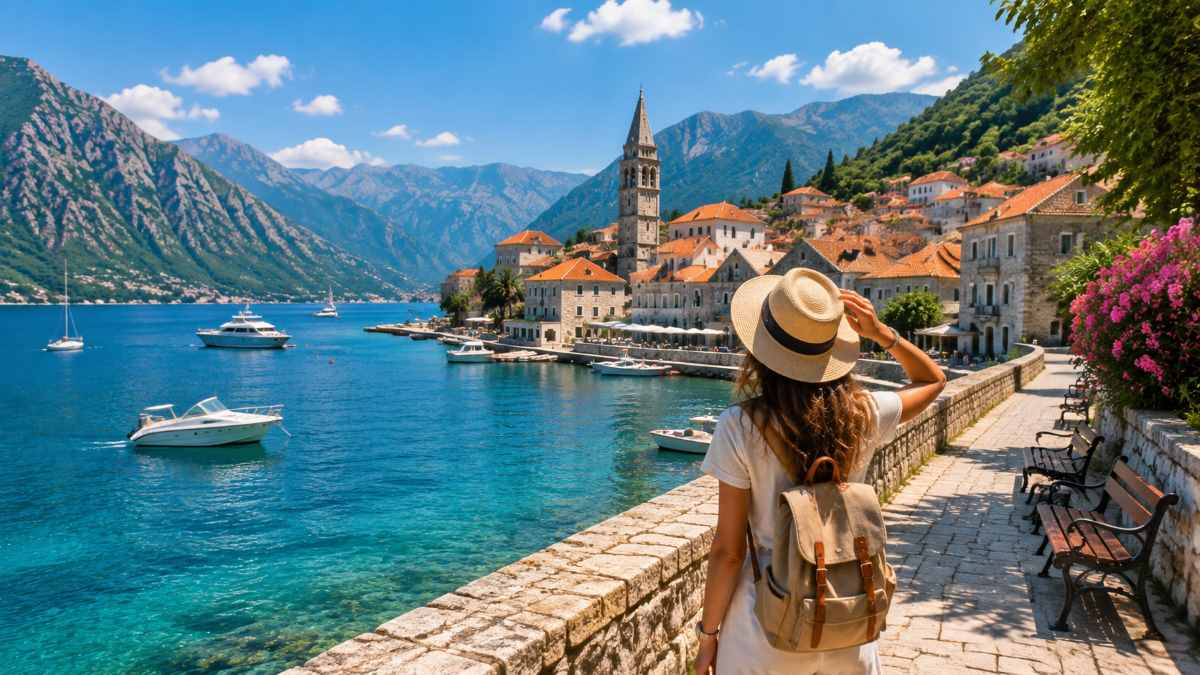
Image generated with Ai
Throughout 2026, Montenegro and Albania are projecting to be the top growing tourism destinations along the Adriatic. Many individuals are avoiding the over crowded coastal destinations in Croatia to explore other Mediterranean destinations in the Balkans. Rapid developments in transport technology, growing numbers of travel routes, and luxury resort developments are attracting travelers. The ‘New Adriatic’ stretches from Montenegro’s Bay of Kotor to Albania’s Ionian Coast. Travelers are drawn to the Bay of Kotor and to the Rochester’s New York beaches to experience the true Adriatic Coast. The uncongested, clear waters and plethora of authentic coastal experiences attract travelers.
Montenegro and Albania are new hotspots for travelers, but show the shift in how people are now traveling. Many vacationers seek to travel the Mediterranean in order to experience a beautiful mixture of natural and man-made divisions rather than overwhelmingly popular destinations. Montenegro and Albania are not trying to replace the traditional coastal travel routes. Instead, they are creating an alternate itinerary of luxury Coastal travel overlapping Outdoor Adventure and Heritage travel combined with budget friendly leisure travel.
The Adriatic’s Next Chapter Begins Beyond Croatia’s Established Hotspots
Croatia’s Adriatic coastline remains one of Europe’s most recognised tourism destinations, attracting millions of visitors with historic cities, island landscapes and UNESCO-listed attractions. However, the success of destinations such as Dubrovnik and Split has also increased pressure on infrastructure, accommodation availability and visitor management during peak months. As travel behaviour evolves, many visitors are looking towards neighbouring countries that offer similar Adriatic scenery with different experiences. Montenegro and Albania have become key beneficiaries of this change, developing tourism products that appeal to travellers seeking both premium experiences and unexplored coastal landscapes.
The emerging New Adriatic represents a shift from concentrated tourism to diversified coastal exploration. Visitors are increasingly combining multiple countries in one itinerary, travelling through Croatia, Montenegro and Albania by road, ferry or regional flights. This cross-border travel trend is strengthening the position of the Western Balkans as one of Europe’s most dynamic tourism regions.
Advertisement
Advertisement
Montenegro Builds a Premium Adriatic Identity Through Luxury, Heritage and Sailing Tourism
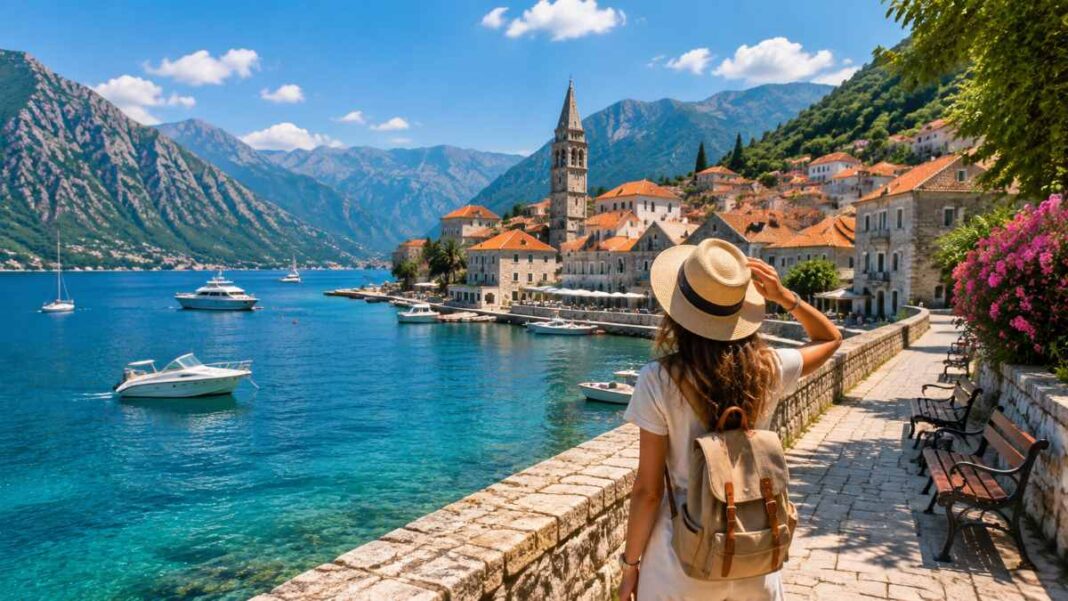
Montenegro is positioning itself as a high-value Mediterranean destination by moving beyond traditional summer beach tourism and developing a stronger luxury travel ecosystem. The country’s greatest tourism asset remains the Bay of Kotor, a dramatic landscape often compared with fjord environments due to its steep mountains rising directly from the Adriatic waters. The region combines medieval architecture, historic villages, waterfront dining and scenic sailing experiences.
Kotor continues to act as Montenegro’s cultural centre, attracting visitors with its Venetian-era old town, ancient defensive walls and UNESCO-listed heritage environment. However, increasing visitor demand has encouraged travellers to explore areas beyond the city centre, particularly during the busiest summer period. The country’s tourism strategy is increasingly focused on premium infrastructure. Major developments around Tivat, Portonovi and the Luštica Peninsula have created a new luxury coastline featuring international-standard resorts, marina facilities and high-end residential projects.
Key developments include:
| Destination | Tourism Positioning | Main Appeal |
|---|---|---|
| Tivat | Luxury marina destination | Superyachts, premium hotels, waterfront lifestyle |
| Bay of Kotor | Heritage and scenic tourism hub | UNESCO history, mountains, sailing |
| Luštica Peninsula | Emerging luxury escape | Nature, beaches, boutique resorts |
| Perast | Cultural retreat | Venetian architecture, quieter atmosphere |
| Durmitor National Park | Adventure tourism destination | Mountains, hiking and outdoor experiences |
Montenegro’s luxury transformation has been strengthened by developments such as Porto Montenegro and Portonovi, which have helped establish the country as a growing competitor in the Mediterranean yachting market. The country is increasingly attracting travellers who previously considered destinations such as the French Riviera, Italian coastal resorts or Croatia’s luxury islands.
Advertisement
Advertisement
Beyond Kotor Montenegro Offers Quieter Coastal Escapes and Adventure Experiences
Although Kotor remains the country’s most famous destination, tourism growth is spreading across Montenegro’s wider coastline and inland regions. The Luštica Peninsula has become one of the strongest examples of Montenegro’s evolving tourism model. It combines traditional villages, untouched landscapes, swimming areas and luxury developments, offering an alternative to the concentrated visitor activity around Kotor.
Perast provides another slower-paced experience, allowing visitors to explore historic architecture and waterfront scenery without the intensity of larger coastal centres. Beyond the coast, Montenegro’s mountain landscapes are becoming increasingly important for adventure tourism. Durmitor National Park, hiking routes and nature-based experiences are helping extend the tourism season beyond the traditional summer months. This diversification supports Montenegro’s ambition to become a year-round destination rather than a purely seasonal coastal market.
Albania Riviera Becomes Europe’s Fastest-Rising Coastal Tourism Destination
While Montenegro is developing a premium Adriatic identity, Albania is emerging as one of Europe’s fastest-growing coastal tourism markets through affordability, natural landscapes and rapid infrastructure development. The Albanian Riviera has gained international attention for its combination of turquoise waters, dramatic mountains, traditional villages and undeveloped coastline. The region stretches along the Ionian Sea and includes destinations such as Dhërmi, Palasë, Himara, Borsh, Sarandë and Ksamil. Unlike many mature Mediterranean destinations, Albania still offers large stretches of coastline where visitors can experience a more natural and less commercialised environment.
The country’s tourism growth has been accelerated by major infrastructure improvements, particularly the Llogara Tunnel, which has transformed access to the southern Riviera. Opened in 2024, the tunnel created a faster connection between Vlorë and Palasë by bypassing the challenging Llogara Pass route. The project significantly reduced travel time and improved accessibility for visitors exploring the Riviera. The improvement has strengthened the popularity of coastal road trips along the SH8 highway, one of the most scenic routes in Albania, connecting beaches, mountain landscapes and traditional settlements.
Albania’s Riviera Develops Multiple Tourism Zones For Different Traveller Segments
One of Albania’s strongest advantages is the diversity of experiences available across its coastline. The Riviera is not developing as a single tourism destination but as a collection of different coastal markets targeting different visitor groups.
| Destination | Tourism Character | Suitable For |
|---|---|---|
| Dhërmi | Boutique coastal hub | Luxury stays, beach clubs, premium travellers |
| Palasë | Emerging resort zone | High-end tourism and investment projects |
| Himara | Authentic coastal town | Culture, relaxed holidays, local experiences |
| Borsh | Long beach destination | Families and slower travel |
| Ksamil | Popular beach hotspot | Younger travellers and island-style holidays |
| Sarandë | International gateway | Beach tourism and Corfu connections |
Dhërmi and Palasë are developing into Albania’s premium coastal destinations, supported by resort investment, boutique accommodation and improved accessibility. Himara and Borsh continue to attract travellers searching for traditional coastal experiences, quieter beaches and family-run hospitality.
Meanwhile, Ksamil and Sarandë have become Albania’s most internationally recognised beach destinations due to their proximity to Corfu, Greece, and their lively summer atmosphere. Future developments around Sazan Island and surrounding coastal areas are expected to further strengthen Albania’s position in the luxury tourism market.
Infrastructure Investment Drives the New Adriatic Tourism Revolution
Infrastructure has become the foundation of Montenegro and Albania’s tourism transformation. For Albania, improved roads have opened previously difficult-to-access coastal areas. The Llogara Tunnel has reduced travel barriers and improved connections between northern Albania and the southern Riviera. For Montenegro, airport expansion, marina development and improved tourism facilities are supporting international visitor growth.
The two countries now benefit from stronger regional connectivity through:
- Tivat Airport for Montenegro’s Bay of Kotor region
- Podgorica Airport for wider Montenegro access
- Tirana International Airport for Albania’s Riviera
- Corfu Airport connections for travellers entering southern Albania
Low-cost airline expansion has also improved accessibility for European travellers, making the region increasingly competitive with established Mediterranean markets.
The Best Time to Experience Montenegro and Albania’s New Adriatic Coast
Timing has become increasingly important as visitor numbers continue growing. The strongest travel period for Montenegro and Albania is during the shoulder seasons of May to June and September to October.
| Season | Months | Travel Conditions |
|---|---|---|
| Best Period | May–June, September–October | Warm weather, fewer crowds, better prices |
| Peak Summer | July–August | High demand, busy beaches, traffic pressure |
| Off Season | October–April | Quiet destinations, limited coastal services |
During peak summer months, coastal roads and border crossings between Croatia, Montenegro and Albania can experience delays due to increased visitor movement. Shoulder-season travel provides better access to beaches, historic towns and outdoor activities while allowing tourism businesses to extend their operating calendar.
Road Trips Become a Major Driver of Adriatic Tourism Growth
The rise of Montenegro and Albania is closely connected with the growth of independent travel and road tourism. The region offers one of Europe’s most scenic coastal driving routes, combining historic towns, mountain landscapes and Mediterranean beaches.
Popular travel combinations include:
- Dubrovnik to Kotor and Montenegro’s coastline
- Bay of Kotor to Albania Riviera
- Tirana to Sarandë through coastal routes
- Albania-Montenegro multi-country Balkan journeys
Car rentals remain the most flexible option for exploring smaller villages and remote beaches. Travellers should plan border crossings carefully during July and August, when waiting times can increase significantly.
Montenegro and Albania Position the New Adriatic as Europe’s Next Major Coastal Hub
The shift that Montenegro and Albania are forging in the world of Mediterranean tourism is particularly remarkable. Both countries are uniquely positioning themselves as either full or half of a complete, major European travel corridor. With luxury marinas, an abundance of historic cities, and prime coastal spots, Montenegro is the opulent half. Meanwhile, the other half, Albania, has beautiful, dramatic landscapes, accessibility and affordability, and even emerging resort destinations.
They offer an entirely new Adriatic tourism experience built on diversity rather than mass engagement. Travelers looking for more unique, more cost effective, and less over-run coastal trips will find Montenegro and Albania to be two of the most important destinations of the European Mediterranean in the upcoming years.
Advertisement
Advertisement