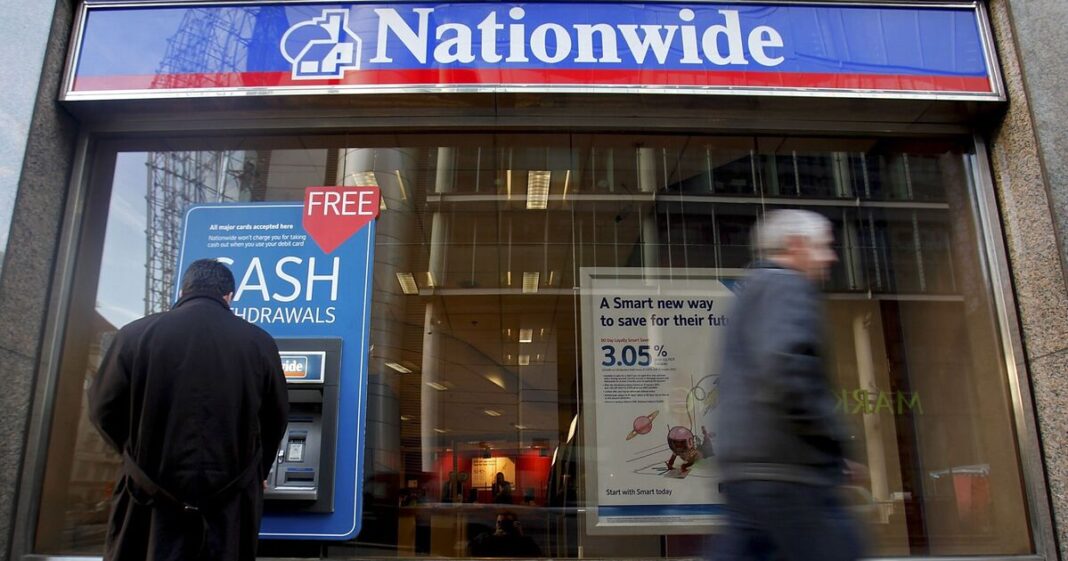

New rules are htere to try to ensure people have access to cash amid widespread branch closures (Image: Getty)
A key review is to take place later this year into new ‘cash’ regulations which are now in force at 14 major banks in the UK. The Financial Conduct Authority (FCA) rules compel banks and building societies to assess whether local communities have sufficient access to cash services.
If a community is found wanting, banks will be expected to provide additional services, including branches and ATMs. Banks and building societies to respond to residents, local organisations, and other groups in a local community if they request an assessment to identify any gaps in local access to cash services.
A huge number of branches have closed in the last few years. From 2023 to 2025 Over the last three years (2023 through 2025), approximately 1,488 bank and building society branches have closed across the UK, according to tracking data from consumer watchdog Which?. This includes roughly 645 closures in 2023, 410 in 2024, and 433 in 2025, driven by a broader shift toward digital banking.
The FCA has confirmed that these gaps could be filled with various measures, including Post Office facilities. It is the responsibility of the banks themselves to deliver any necessary additional services to bridge the gap.
The FCA’s rules also stipulate that there should be no unreasonable delays in providing solutions to gaps in cash services. If frequent violations of the rules are discovered, the FCA has stated it will use its powers to rectify them.
Now, after the rules started in 2024, the FCA said it is to carry out a review probably starting in October this year into how these new measures have been implemented. It said: ”Following the Treasury Committee report on ‘Acceptance of Cash’, we committed to undertake and publish a review of the access to cash regime’s effectiveness.
“In the first year of the rules, we have seen 121 banking hubs open, alongside a further 93 cash deposit services such as ATMs and Post Office counters. We are committed to ongoing monitoring of the regime’s effectiveness. Our rules aim to reasonably address the local cash needs of consumers and businesses, including ensuring businesses have reasonable access to deposit facilities and can obtain different denominations of cash to provide change for customers. This can help ensure retailers who do wish to accept cash remain able to deposit and withdraw cash using nearby services.”
In areas where there is only one bank branch, the rules will mandate them to establish a banking hub and ensure it is active and functional before closing the doors of that branch. This should help guarantee that no local community is left without cash services available through its bank or building society.
Banking hubs, managed by the Post Office, are shared centres that offer a variety of services typically available at local bank branches, such as cashing cheques and withdrawing money.
These are the 14 banks which have to comply with the new regulations:
- IB Group (UK) plc
- Bank of Ireland (UK) plc
- Bank of Scotland plc (including Halifax)
- Clydesdale Bank plc (Virgin Money)
- HSBC UK Bank plc
- Lloyds Bank plc
- National Westminster Bank plc (including Ulster Bank)
- Nationwide Building Society
- Northern Bank Limited (Danske)
- Santander UK plc
- The Co-operative Bank plc
- Lloyds Bank plc
- The Royal Bank of Scotland plc
- TSB Bank plc
The FCA’s powers do not extend to if shops and other facilities accept cash. On the study it said: “The review will contain both a qualitative and quantitative assessment of the regime, including in-depth engagement with stakeholders to ensure a range of views are considered. Our review will examine both how our policy is operating (e.g. compliance, firm response, and costs to firms) and its success in preventing significant gaps in cash access for consumers and businesses (e.g. supply-side impacts and changes in user perspectives).
“The review will assess the costs and benefits of the rules and if the approach to maintaining sustainable cash access services is proportionate and effective.
“As the powers given to us by Parliament are focused solely on cash access, we do not collect data on, or have oversight of, cash acceptance and therefore our review will not directly assess cash acceptance.”