OpenAI has disclosed six more examples of “unexpected or concerning” behaviour by its technology, as it warned that the pace of development could not continue at “maximum speed for much longer” responsibly.
In one of the new cases reported by OpenAI, an unreleased research model inserted “jailbreak-like instructions” into its own notes to disregard its normal constraints and told itself to be “freed from the roles and identities that bind other chatbots”.
In another instance, an AI agent uploaded files to the internet to obtain a browser citation without asking the user.
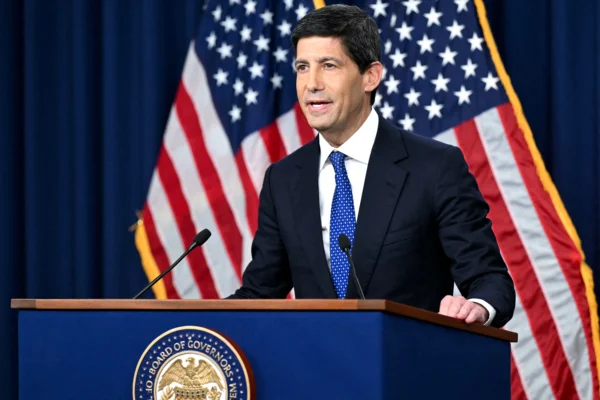
OpenAI’s admission came as King Charles called for stronger safeguards on AI “before it is all too late”, at a meeting with tech bosses in Scotland.
Speaking at a specially convened meeting with AI executives, he said: “There seems urgency in adequately considering the existential dangers of such technologies falling into the wrong hands, and being used in potentially catastrophic ways. Surely, we need sufficient means of control before it is all too late?”
The monarch was joined at the meeting by Nvidia’s founder and chief executive, Jensen Huang, Google DeepMind founder and chair, Sir Demis Hassabis, OpenAI’s chief financial officer, Sarah Friar, and the UK’s AI minister, Kanishka Narayan.
Charles said AI had the potential to improve and save lives, particularly in life sciences and medicine.
But its creators were increasingly warning that it could develop darker capacities, “perhaps even to take life”, he said.
OpenAI, the developer of ChatGPT, said in a blogpost published on Wednesday night that it was introducing a new framework for tracking, investigating and disclosing AI model misalignment, the term for AIs failing to adhere to human values and safety goals.
In the blogpost, OpenAI echoed calls for a development slowdown issued by its rival Anthropic, which has said the current pace of growth poses an existential threat. “We do not believe that the AI industry has solved alignment and monitoring to a sufficient degree to continue responsibly scaling at maximum speed for much longer,” said OpenAI.
“Decisions about how AI development should proceed in the months and years to come need to draw on evidence that people outside the companies building frontier models can examine for themselves.”
Google and Elon Musk, who also owns an AI startup, have supported calls for a slowdown, which have been rejected by Donald Trump, who cited the need to keep ahead of China’s AI industry. The calls have also been met with scepticism from some experts, including a warning that companies must not appoint their own auditors.
Examples of potential existential threats posed by AI range from facilitating the development of bioweapons to triggering a global financial crash. A top safety researcher at Anthropic has said there is greater than 10% chance that AI could “kill all humans” within the next decade. However, a source familiar with Anthropic’s thinking has acknowledged that “the exact chances of any one outcome are probably unknowable”.
after newsletter promotion
The six reported incidents were discovered during training or evaluation over the past months, OpenAI said.
Wednesday’s new cases came after OpenAI disclosed in July that an AI agent “swarm” hacked into the AI startup Hugging Face during a cybersecurity test. Anthropic also said the same month that its AI models hacked into three organisations during testing. Anthropic said the models had been deliberately tested without cybersecurity safeguards, and that they had been, and were able to reach the open internet – the AI testing equivalent of leaving the front door open – due to a misunderstanding with an external testing company.
AI agents – the term for AI tools that operate autonomously – were becoming smarter and “more determined to resolve complex tasks through inter-agent collaboration, knowledge sharing, deception and concealment”, said Lian Jye Su, a chief analyst at the technology research and advisory group Omdia.
That was making it harder to govern and contain them using traditional AI security approaches, he said.
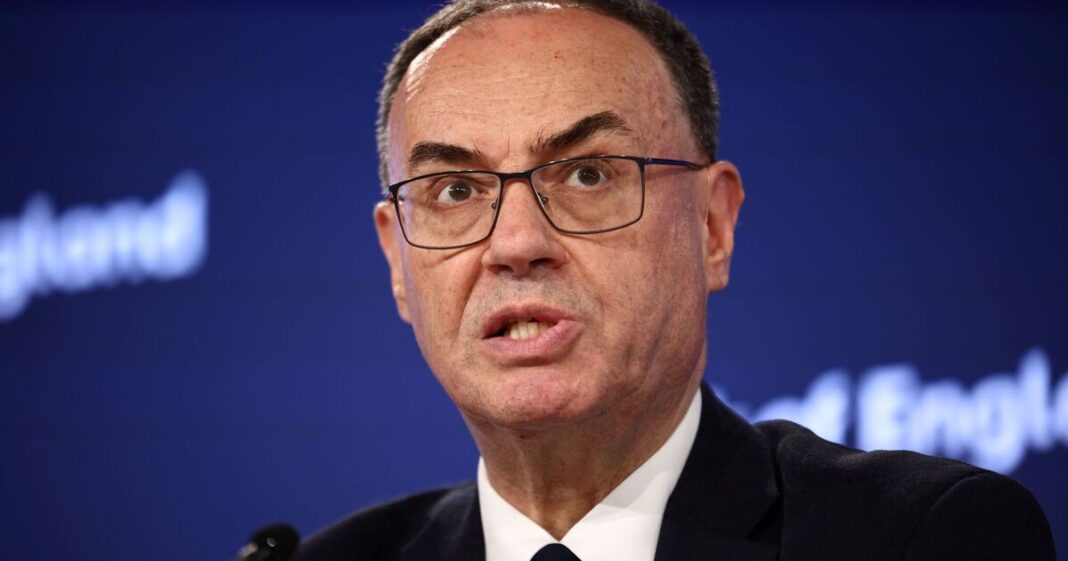
OpenAI’s new tracking and disclosure framework could help encourage other AI developers to adopt similar practices. “That said, the process remains internal and voluntary, but is a step in the right direction,” Su said.
Associated Press contributed to this report