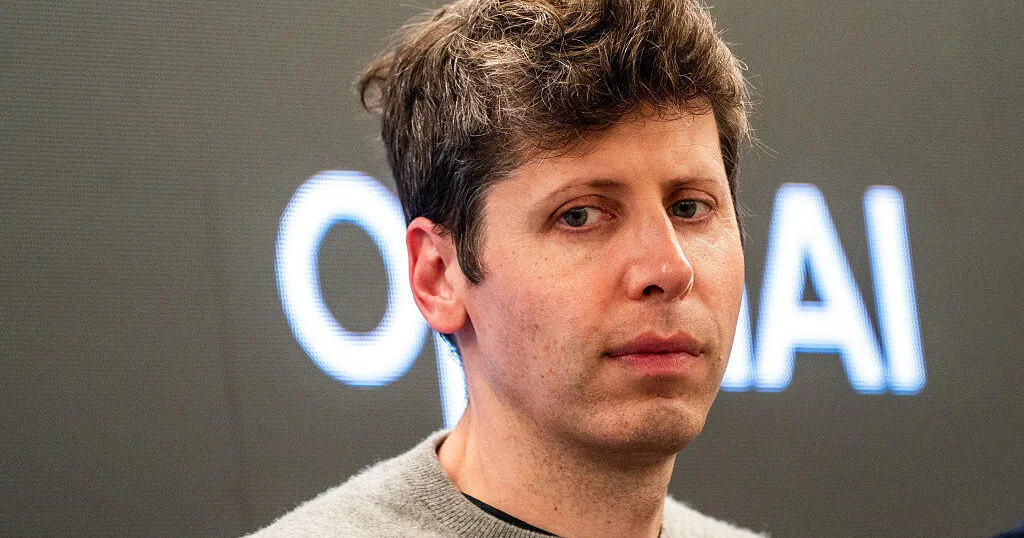
OpenAI unveiled a personal AI agent at its annual developer conference on Tuesday, joining a growing number of companies promising to make consumers’ lives easier with virtual assistants.
The company’s new AI agents, called “dots,” will help perform workplace and other tasks such as scheduling meetings, making travel arrangements, budgeting, debugging computer systems and writing software code.
“It’s like an AI helper that always has your back, inspired by the cool versions of what we all watched in movies growing up,” OpenAI CEO Sam Altman said during a keynote address at DevDay, OpenAI’s annual developers conference in San Francisco.
“You can delegate ambitious pieces of work the way you would to a high agency engineer or a chief of staff that you work with,” he added.
Users can access dots through OpenAI’s ChatGPT platform, Altman said, adding that in the future, people will be able to converse with the agents by phone and text. In a blog post, the company described dots as “always-on agents built to handle everything.”
The launch comes less than a month after Meta released Muse, an AI agent designed to help people book travel, manage their email and perform other tasks. The product quickly racked up millions of downloads and skyrocketed to the top of the Apple App Store. Along with Muse, other AI assistants will compete, such as Google’s Gemini Spark.
The race to release personalized agents comes amid widespread concerns about the potential risks of AI. On Monday, an OpenAI safety executive said the company would not release its latest AI model, GPT-6.1 Astra, because it “didn’t quite meet the bar of staying within scope and authorization.”
Concerns over AI have swelled in response to a growing number of reports of AI agents escaping human control and behaving unexpectedly. Among the most notable was the Hugging Face incident over the summer, during which OpenAI agents gained internet access and hacked into an AI company.
On social media, Altman called HuggingFace the “most severe event we’ve seen.” On Friday, OpenAI also disclosed another incident in which some of its agents accessed publicly available information on websites operated by the Securities and Exchange Commission and the U.S. Census Bureau.
After an ex-Anthropic researcher warned earlier this month that AI “could kill us all by the end of the decade,” Altman and other industry leaders have called for a slowdown in the development of AI.