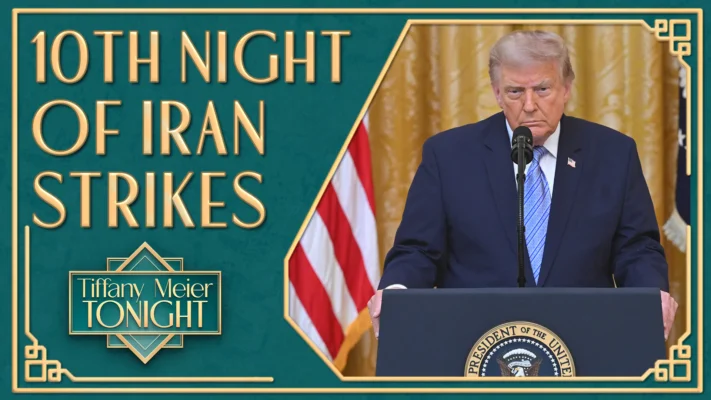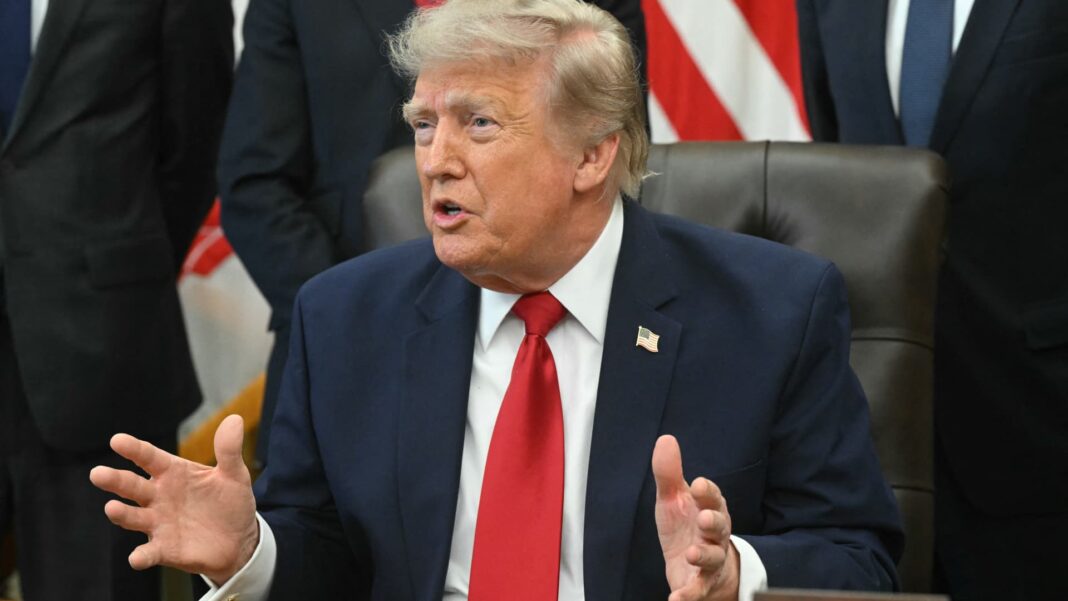
US President Donald Trump speaks after signing an executive order to drastically shrink two national monuments in Utah, paving the way for fossil fuel extraction and mining.
Saul Loeb | AFP | Getty Images
The U.S. is imposing additional 50% tariffs on a range of Canadian goods in response to alleged trade discrimination against multiple U.S. products and industries, senior Trump administration officials said Monday.
President Donald Trump signed three proclamations Monday targeting different sets of Canadian imports with the steep tariffs in response to separate areas — motor vehicles, alcohol and dairy — where the U.S. says it has been treated unfairly, the officials said in a call with reporters.
The tariffs, which fall under the rarely used Section 338 of the Tariff Act of 1930, are set to take effect 30 days after the signings, according to the officials.
Each proclamation slaps tariffs on different Canadian products, “ranging from wine to hockey sticks to cement,” an official on the call said.
The new tariffs “apply to all covered goods,” regardless of whether they are otherwise covered under the existing free trade agreement between the U.S. and Canada, the official said.
“Canada has to be held accountable for this continued discrimination,” the official said.
Ontario Premier Doug Ford said on X later Monday afternoon that Canada “should respond tariff for tariff, dollar for dollar” if the new U.S. import duties proceed.
The Canadian Embassy in Washington, did not immediately respond to CNBC’s request for comment on the new U.S. trade actions.
Canada’s status as the U.S.’s long-time close ally and trade partner has eroded amid Trump’s tariff-heavy agenda and vocal displeasure with the nations’ trilateral trade pact including Mexico, among other sources of tension.
The U.S. and Canada engaged in escalating trade fight last year, as Trump slapped heavy tariffs on Canadian goods and Ottawa retaliated.
Earlier this month, the Trump administration said it would not renew that trade agreement, known as USMCA, opting instead to cast a shadow over the treaty’s future by triggering a series of annual reviews.
Last week, Trump tore into Canada over the wildfires blazing through northwestern Ontario, which led to major air pollution issues across large areas of the U.S. mainland.
Claiming the issue has harmed the U.S. to the tune of billions of dollars, Trump wrote on Truth Social that those costs “must of necessity be added to the TARIFFS Canada is currently paying.”
One of the senior officials on Monday specified that the newly announced 50% tariffs on Canadian goods are not related to the wildfires — but added that Trump “has asked for options on that.”
Section 338 gives the president the power to impose tariffs of up to 50% on the goods of countries found to be discriminating against the U.S.
The obscure tariff-setting authority has “gone unused for decades,” John Veroneau and Catherine Gibson of law firm Covington and Burling LLP wrote in a 2016 article. They found no public record relating to Section 338 since 1949.