Tuesday, July 29, 2025

As the sun sets over the Venetian lagoon each late August, the charming island of Lido di Venezia takes on a magical energy. This year, from August 27 to September 6, 2025, Venice will once again open its arms to thousands of visitors, filmmakers, and cultural tourists for the 82nd edition of the Venice International Film Festival. The annual event is more than just red carpets and premieres—it is a celebration of cinema’s power to unite, ignite curiosity, and revitalize tourism.
At the heart of the city’s cultural calendar, the festival transforms Venice into a vibrant nexus where stories from across the globe are shared, discussed, and honored. For the local community and international guests, it is a rare moment when the elegance of Italian history meets the boldness of modern storytelling.
A Celebration of Cinematic Excellence
This year’s festival will open with Oscar-winning director Paolo Sorrentino’s much-awaited film “La Grazia.” Audiences are anticipating a season filled with intimate stories, global issues, and creative experimentation. The international jury, led by celebrated American director Alexander Payne, will judge entries vying for the prestigious Golden Lion, the highest award at the festival.
The Venice Film Festival is widely regarded as the oldest and among the most prestigious film events in the world. It showcases a rich mix of films—21 in competition this year alone—representing both emerging and established voices in global cinema. There are multiple categories, including Venice Immersive, which explores virtual reality storytelling, and Venice Classics, dedicated to restored cinematic masterpieces.
This year, Lifetime Achievement Awards will be presented to legendary actress Kim Novak and renowned filmmaker Werner Herzog, celebrating their invaluable contributions to the film industry over the decades.
A Catalyst for Tourism and Economic Revival
The significance of the Venice Film Festival extends far beyond cinema. Every year, the festival attracts tens of thousands of visitors, many of whom spend several days exploring the wider city and its nearby islands. In 2024, more than 36,000 public tickets were sold during the festival, reflecting the event’s growing popularity among both international and domestic audiences.
This high concentration of travelers generates an enormous boost for Venice’s tourism sector. Hotels in Venice and Lido report full occupancy, restaurants and cafés experience record sales, and local transport services such as vaporettos and water taxis operate at capacity.
The broader Italian tourism industry anticipates visitor spending to exceed 60 billion euros in 2025, and events like the Venice Film Festival play a central role in reaching that milestone. With over three million tourism-related jobs supported nationally, the festival acts as an economic engine not just for Venice but for the entire Veneto region.
A Human-Centered Festival
While Venice’s grandeur captivates global stars, the human connection is what defines the festival’s soul. Locals take pride in hosting international visitors and sharing stories over evening meals and walking tours. Boutique shop owners, gondoliers, museum guides, and young volunteers all contribute to the unique atmosphere that only Venice can provide.
For residents of Lido, the festival is an annual high point. Some rent out apartments or rooms, while others run pop-up cafés or artisan stalls. The temporary transformation of this quiet beachside neighborhood into a cinema capital becomes a source of both joy and income.
Still, the event’s scale does create challenges. Tour groups are now limited in size to ease congestion, and Venice has implemented a booking and entry fee system for day-trippers to manage overtourism. These sustainable policies aim to preserve the city’s delicate ecosystem and cultural integrity while ensuring that locals and visitors alike can enjoy the experience.
Cultural Diplomacy and International Collaboration
The Venice Film Festival operates under the umbrella of La Biennale di Venezia, an institution that also oversees major exhibitions in art, architecture, and dance. Its role is not only cultural but diplomatic—serving as a meeting ground for countries to present their stories, values, and creative industries.
Dozens of countries participate officially, and embassies, cultural councils, and film commissions attend in support of their national submissions. Filmmakers from diverse backgrounds often engage in post-screening dialogues, creating cross-border conversations that continue long after the festival ends.
Venice becomes a cultural melting pot where issues such as climate change, migration, identity, and innovation are explored through the lens of cinema. These themes resonate not only with audiences but with policymakers and institutions that see the festival as a platform for soft diplomacy.
Festival Programming and Visitor Engagement
The festival is not limited to film screenings alone. Each year, it includes masterclasses with filmmakers, interactive VR installations, red carpet events, live musical performances, and curated walking tours tied to film locations and Venetian history. Public screenings are held in open-air theaters as well as in historic cinemas like the Palazzo del Cinema.
Passes are available for industry professionals, journalists, and the general public, allowing a wide variety of guests to participate. Many tourists now align their Venice visit with the festival dates, staying extra days before or after the event to explore Murano, Burano, and other nearby islands.
Cultural institutions such as the Peggy Guggenheim Collection, Gallerie dell’Accademia, and Doge’s Palace see increased foot traffic, and hotel operators often report extended stays linked to the festival schedule.
Tourism Strategy and Long-Term Vision
Italy’s national tourism strategy sees cultural events like the Venice Film Festival as cornerstones in building year-round visitor interest. Venice, in particular, has had to adapt to growing crowds with modern infrastructure, better traffic flow, and policies that encourage longer, more meaningful stays.
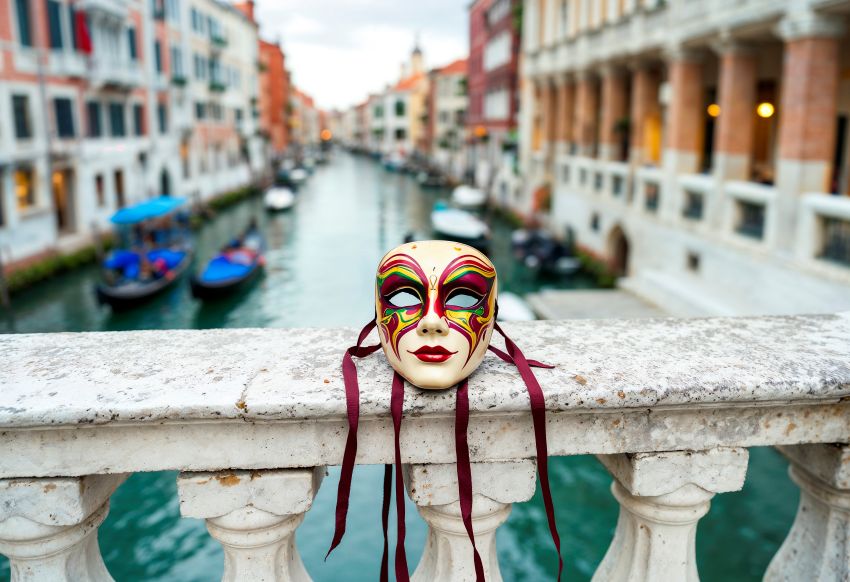
Marketing campaigns often feature imagery from the festival—celebrities arriving by boat, audience reactions in grand halls, and cinematic sunsets over the Grand Canal—to promote Venice as a refined yet accessible destination.
The aim is to shift the focus from fleeting visits to immersive travel: watching films, attending panels, exploring neighborhoods, and contributing to the city’s economic and cultural resilience.
Challenges and Future Considerations
Despite its success, the festival must continue to balance growth with preservation. Venice faces ongoing concerns about climate change, high tides, and the impact of mass tourism. Festival organizers work closely with local government to ensure that the event remains environmentally and socially responsible.
The digital era also presents a new set of opportunities and challenges. Streaming platforms and hybrid screenings have opened access to broader audiences but raise questions about exclusivity and in-person engagement. The Venice Film Festival remains committed to the magic of shared experiences—in a theater, among people, with stories told in every language.
Conclusion: More Than a Film Festival
The Venice Film Festival is more than a collection of premieres and awards—it is a living expression of global storytelling. Each year, as the Lido welcomes actors, directors, tourists, and families, Venice reaffirms its role as not just a historic marvel but a modern, evolving cultural hub.
The laughter echoing through cinema halls, the silent awe of standing under frescoed ceilings, and the thrill of seeing your city come alive through art—all of it reminds us why Venice continues to enchant the world.
And when the final Golden Lion is awarded, the boats leave the Lido, and the crowds disperse, what remains is a city forever illuminated by the stories it helped bring to life.