Published on
March 26, 2026

Image generated with Ai
The landscape of Kashmir tourism is currently being revitalized by a breathtaking combination of late-season fresh snowfall and significant horticultural advancements. It is observed that the picturesque Bhaderwah Valley has once again become a focal point for travelers as a recent spell of snow has enveloped the renowned Guldanda destination. By this natural occurrence, the entire region has been transformed into a pristine white sanctuary, which is noted to be drawing significant numbers of nature enthusiasts and vacationers alike. Through these atmospheric changes, the allure of the area is being substantially heightened, providing a timely boost to the local economy and reinforcing the status of the territory as a premier winter destination.
Furthermore, the integration of agricultural tourism and traditional sightseeing is being facilitated by recent developments in Anantnag. Specifically, at the Sher-e-Kashmir University of Agricultural Sciences and Technology (SKUAST), a dedicated Tulip Garden in Sagam village is being utilized as a center of excellence. It is reported by experts that the primary objective of this facility is the multiplication of tulip bulbs, which is intended to decrease reliance on imports and bolster local farming initiatives. This dual-purpose strategy, where scientific research meets aesthetic beauty, is being recognized as a pivotal step in the region’s development.
Technological Integration and Accessibility in Srinagar
As the transition from winter to spring commences, the Indira Gandhi Memorial Tulip Garden in Srinagar is being prepared for its annual public opening. It has been announced by the Director of Floriculture Kashmir, Mathoora Masoom, that a record-breaking display of flowers has been curated for the current season. In an effort to streamline the experience for visitors, online ticket booking facilities are being introduced by the Jammu and Kashmir administration. This digital shift is expected to manage the anticipated crowds more effectively while offering a convenient planning tool for both domestic and international tourists.
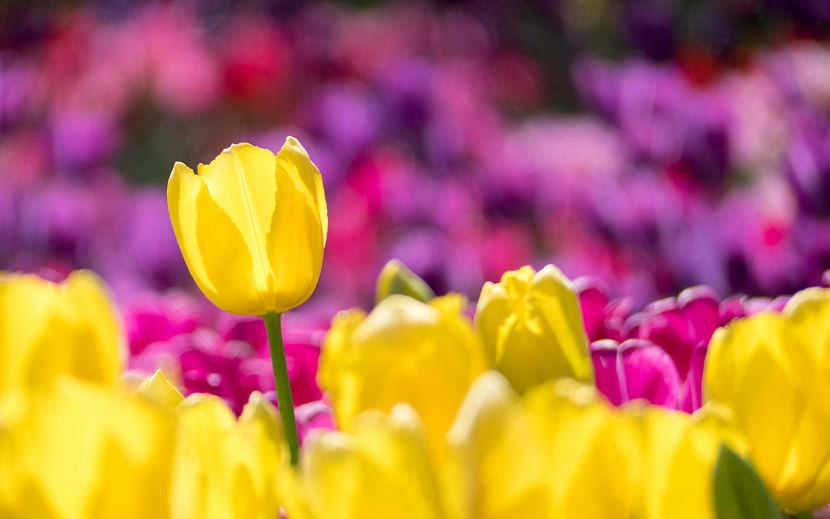
The garden is scheduled to be officially inaugurated by the Chief Minister, Omar Abdullah, who has recently expressed his appreciation for the diligent efforts of the gardening staff. It is highlighted that approximately 18 lakh tulips, encompassing more than 70 distinct varieties, have been planted to create a visual spectacle. Through this meticulous preparation, the garden is being positioned not only as a local treasure but as a significant landmark on the global tourism map.
Advertisement
Advertisement
The Impact of Snowfall on the Bhaderwah Landscape
The recent weather patterns in Bhaderwah are being credited with extending the winter tourism cycle. The blankets of snow at Guldanda are being described as a “mesmerizing white wonderland,” a phenomenon that is consistently sought after by photography enthusiasts and winter sports fans. Because of this fresh precipitation, the local hospitality sector is witnessing an uptick in reservations. It is understood that the natural beauty of the Bhaderwah Valley acts as a catalyst for regional growth, ensuring that the remote corners of the union territory remain accessible and attractive to the public.
Furthermore, the environmental impact of this snowfall is being viewed positively. The replenishment of water sources and the preservation of the temperate climate are essential for the region’s ecology. By maintaining these cold conditions, the transition into the floral season is being moderated, allowing for a more staggered and sustainable influx of visitors throughout the early months of the year.
Advertisement
Advertisement
Scientific Excellence in Tulip Multiplication
In the village of Sagam, the efforts led by SKUAST are being characterized as a major breakthrough for the horticultural sector. According to Professor Mohammad Ayoob Mantoo, a horticulture expert at the university, the station is functioning as a hub for temperate bulb production. It is explained that the focus on tulip multiplication is intended to create a self-sustaining cycle for the floral industry in Kashmir. By producing high-quality bulbs locally, the agricultural framework is being strengthened, providing local farmers with new opportunities for specialized cultivation.
The synergy between the scientific community and the tourism department is being highlighted as a model for future projects. While the primary goal of the Sagam station remains research and production, the aesthetic value of the blooming fields is inadvertently contributing to the region’s charm. It is being noted that visitors are increasingly interested in the “behind-the-scenes” aspects of Kashmir’s floral beauty, leading to a rise in educational and agro-tourism.
The Grandeur of the Indira Gandhi Memorial Tulip Garden
As the largest facility of its kind in Asia, the Indira Gandhi Memorial Tulip Garden is being meticulously managed to ensure a world-class experience. In addition to the millions of tulips, a diverse range of other floral species is being cultivated within the premises. Varieties such as Daffodils, Hyacinths, Roses, Ranunculi, Muscaria, and Iris are being interspersed throughout the garden to create a layered and fragrant tapestry. This diversity is intended to ensure that the garden remains vibrant throughout different phases of the spring season.
The infrastructure surrounding the garden is also being improved. From the implementation of better waste management systems to the encouragement of a clean environment, visitors are being urged to participate in the preservation of this natural site. It is hoped by the authorities that the beauty of the garden, combined with the ease of the new online medium for ticketing, will result in a “beautiful and better” experience for every individual who passes through its gates.
Administrative Vision and Future Prospects
The leadership of Jammu and Kashmir is being actively involved in the promotion of these natural assets. Chief Minister Omar Abdullah has recently shared glimpses of the garden on social media, noting its vibrancy even before the full bloom was achieved. This high-level visibility is being used to signal that the region is open, safe, and ready to host travelers from across the world. The hard work of the Floriculture Department is being recognized as the backbone of this success, with many individuals working behind the scenes to ensure that the timing of the blooms coincides perfectly with the peak tourist season.
By focusing on both the natural snowfall in the valleys and the man-made brilliance of the gardens, a holistic narrative of Kashmir is being projected. The region is being showcased as a place where nature’s spontaneity and human dedication intersect. As the gates of the tulip garden are set to open on March 16th, the anticipation among the public is being met with a promise of unprecedented floral beauty and a warm welcome into the heart of the valley.
Advertisement
Advertisement