
United States Joins Italy, Jamaica and More Among 90 Visa Free Travel Countries as of October 2026 as Serbia Expands Global Tourism Opportunities. However, visa requirements will vary depending on where you are travelling to, and you will still require a visa to enter the United States with your Serbian passport. Increased visa free travel opportunities mean that Serbian travellers can visit more countries with less hassle. This will encourage people to take holidays, go on business trips and enjoy cultural exchanges. With increased international travel opportunities Serbia will see increased opportunities to build relationships with the tourism industry, improve global mobility and increase connections with key travel countries. This can help boost Serbia’s tourism industry and build relationships between countries.
Serbia Tourism Growth in 2026
According to the Statistical Office of the Republic of Serbia, the country recorded 3,127,592 tourist arrivals between January and August 2026, including domestic and international visitors, marking a 6.5% increase compared with the same period in 2025. During this period, Serbia registered 8,948,999 overnight stays, reflecting annual growth of 4.9%, while the average length of stay declined by 1.5% to 2.86 nights. Tourism activity remained strong in August 2026, with approximately 537,000 tourist arrivals, up 7.9% year on year, and 1.582 million overnight stays, representing a 7.3% increase. Foreign visitors accounted for around 731,000 overnight stays, marking a 10.1% rise compared with August 2025. These figures highlight Serbia’s growing tourism demand, increasing international visitor activity and expanding opportunities for hotels, travel operators and local tourism businesses.
Advertisement
Advertisement
Serbia’s Economic Growth Outlook for 2026
According to economic projections attributed to the International Monetary Fund (IMF) and other forecasting sources, Serbia’s nominal gross domestic product (GDP) is expected to reach approximately US$111.2 billion to US$112.03 billion in 2026, with real economic growth estimated at between 2.8% and 3.3%. The World Bank’s reported growth forecast stands at 3.1%, while Serbian government projections indicate 3.3% growth. Nominal GDP per capita is estimated at approximately US$17,126 to US$17,252, while GDP measured by purchasing power parity (PPP) is projected at around US$228.48 billion, equivalent to approximately US$35,186 per person. Domestic consumer demand, rising real wages, credit expansion, public infrastructure investment and activity in the services and trade sectors are expected to support economic performance. These developments could also benefit Serbia’s tourism industry by encouraging investment in transport, hospitality infrastructure and visitor services, strengthening the country’s long-term economic and tourism prospects.
Serbia Boosts International Travel with Visa-Free Access to 90 Countries:
- Denmark
- Finland
- France
- Germany
- Italy
- Luxembourg
- Netherlands
- Norway
- Spain
- Switzerland
- Singapore
- Ireland
- South Korea
- Japan
- Andorra
- Sweden
- Belgium
- Malta
- United Kingdom
- Austria
- Greece
- Portugal
- New Zealand
- Iceland
- Liechtenstein
- Monaco
- Chile
- Hungary
- Poland
- Croatia
- Slovakia
- Slovenia
- Latvia
- Estonia
- Australia
- San Marino
- Canada
- Czechia
- Lithuania
- United States
- Israel
- Qatar
- United Arab Emirates
- Bulgaria
- Romania
- Cyprus
- Argentina
- Barbados
- Brazil
- Uruguay
- The Bahamas
- Palau Islands
- Peru
- Seychelles
- Grenada
- Montenegro
- Antigua and Barbuda
- Hong Kong
- North Macedonia
- Bosnia and Herzegovina
- Albania
- Dominica
- Georgia
- Macao
- Paraguay
- Costa Rica
- Mexico
- Vatican City
- St. Vincent and the Grenadines
- Russian Federation
- St. Kitts and Nevis
- Colombia
- Oman
- Ukraine
- Suriname
- Kazakhstan
- Kuwait
- Bahrain
- Trinidad and Tobago
- Belarus
- China
- Moldova
- Armenia
- Azerbaijan
- Kosovo
- Türkiye
- Jamaica
- Indonesia
- Mongolia
- Kyrgyzstan
TTW Founder and Editor-in-Chief, Mr. Anup Kumar Keshan, Says:“Serbia’s expanding international travel opportunities, supported by visa-free access to around 90 countries as of October 2026 for Serbian passport holders, highlight how greater global mobility can strengthen tourism connections and create new opportunities for travellers. Destinations such as Italy and Jamaica offer opportunities for international exploration, while visa requirements for the United States remain different. Easier travel access can encourage more leisure holidays, cultural exchanges and business journeys, helping Serbia build stronger relationships with important international tourism markets. Meanwhile, Serbia tourism continues to attract attention through Belgrade’s historic landmarks, the cultural attractions of Novi Sad, the scenic Danube River, mountain landscapes and the country’s rich heritage. Stronger international connectivity can create fresh opportunities for hotels, travel operators, local businesses and communities while supporting tourism development. As Serbia strengthens its position in the European tourism market, improved travel mobility and growing international partnerships can help support visitor growth, tourism spending and long-term economic opportunities.”
Advertisement
Advertisement
Top Five Airports in Serbia
Serbia has a growing aviation network that supports international tourism, business travel, regional connectivity and economic development. The country has several airports serving different purposes, ranging from major international passenger hubs to smaller regional aviation facilities. Belgrade Nikola Tesla Airport is the country’s main international gateway, while Niš and Morava airports improve access to other parts of Serbia. Ponikve and Rosulje airports also contribute to regional aviation development.
1. Belgrade Nikola Tesla Airport (BEG) – Belgrade

Belgrade Nikola Tesla Airport is Serbia’s largest and busiest airport and the country’s principal international aviation hub. Located approximately 18 kilometres west of central Belgrade, it connects Serbia with numerous destinations across Europe, the Middle East and other international markets. The airport serves as the main hub for Air Serbia, the country’s national airline, and handles a substantial share of Serbia’s international passenger traffic. Its modern passenger facilities, expanded terminal infrastructure and transport connections support tourism and business travel. The airport also plays a major role in attracting international visitors to Belgrade, one of Southeast Europe’s important cultural, commercial and tourism destinations.
Advertisement
Advertisement
2. Niš Constantine the Great Airport (INI) – Niš
Niš Constantine the Great Airport is an important international airport in southern Serbia, providing an alternative gateway for travellers visiting the country’s southern and eastern regions. Located close to the city of Niš, the airport supports selected international passenger services and regional connectivity. It has attracted travellers seeking affordable air connections and convenient access to southern Serbia. The airport is particularly valuable for tourism because Niš offers historic landmarks, cultural attractions and access to nearby natural destinations. Its development also supports local businesses, hospitality services and economic activity, helping distribute tourism beyond Belgrade.
3. Morava Airport (KVO) – Kraljevo
Morava Airport is located near Kraljevo in central Serbia and serves as a smaller international aviation gateway for the surrounding region. The airport has been developed to improve passenger connectivity and provide additional air transport opportunities outside Belgrade. It supports selected commercial aviation services, although flight availability is more limited than at Serbia’s larger airports. Morava Airport is strategically positioned near important tourism destinations, including Vrnjačka Banja, a well-known Serbian spa resort, and the historic city of Kraljevo. Its continued development could strengthen regional tourism, encourage business investment and make central Serbia more accessible to international visitors.
Advertisement
Advertisement
4. Ponikve Airport (UZC) – Užice
Ponikve Airport is situated near Užice in western Serbia and represents an important regional aviation facility with potential for tourism development. Unlike Belgrade and Niš, it does not operate as a major scheduled commercial passenger airport. Its location is particularly significant because western Serbia is home to popular mountain and nature destinations, including Zlatibor and Tara National Park. These areas attract visitors interested in outdoor activities, hiking, mountain holidays and rural tourism. Future improvements to airport infrastructure and aviation services could create additional opportunities for regional accessibility, tourism investment and economic development in western Serbia.
5. Rosulje Airport – Kruševac
Rosulje Airport is a regional aviation facility located near Kruševac in central Serbia. It primarily supports general aviation and smaller aircraft operations rather than regular international commercial passenger services. The airport contributes to Serbia’s broader aviation infrastructure by creating opportunities for recreational flying, pilot training and local aviation activities. Its location near Kruševac also gives it potential importance for regional tourism development. The surrounding area features historic landmarks, cultural heritage and access to central Serbian landscapes. Although Rosulje currently has a limited role in commercial air transport, it remains a useful part of Serbia’s regional aviation network.
Top Five Airlines Operating in Serbia
Serbia’s aviation sector is supported by several international and regional airlines that connect the country with destinations across Europe and beyond. Belgrade Nikola Tesla Airport serves as the main aviation hub, while Niš Constantine the Great Airport and Morava Airport provide additional connectivity. The following five airlines play important roles in supporting Serbia’s international travel, tourism and business connections.
1. Air Serbia (JU) – Serbia

Air Serbia is the national airline and the country’s leading carrier. Established under its current name in 2013, the airline operates from its main hub at Belgrade Nikola Tesla Airport. It provides scheduled, seasonal and charter services across Europe, the Mediterranean, North America, Asia and Africa. Air Serbia also operates services from Niš and Morava airports, helping strengthen regional connectivity. Its international network supports tourism, business travel and Serbia’s position as an important aviation gateway in Southeast Europe. Government of Serbia+1
Advertisement
Advertisement
2. Wizz Air (W6) – Hungary
Wizz Air is a Hungarian low-cost airline with a significant presence in Serbia’s aviation market. It operates international services from Belgrade and Niš, connecting passengers with various European destinations. Its affordable fare model makes international travel more accessible to tourists, students and people visiting friends and relatives. The airline supports Serbia’s growing demand for budget-friendly travel while encouraging tourism exchanges with European cities. Its operations also provide additional competition and travel choices within the country’s aviation sector. Niš Constantine the Great Airport+1
3. Lufthansa (LH) – Germany
Lufthansa is one of Europe’s major international airlines and provides important connections between Serbia and Germany. The airline operates services linking Belgrade with major German aviation hubs, including Frankfurt and Munich. These routes allow passengers to access Lufthansa’s wider international network, supporting onward travel to destinations across Europe and other continents. Lufthansa plays an important role in business travel, international tourism and corporate connectivity. Its presence also helps strengthen economic and travel links between Serbia and Germany. cad.gov.rs+1
4. Austrian Airlines (OS) – Austria
Austrian Airlines is a major European carrier connecting Serbia with Austria through Belgrade and Vienna. As part of the Lufthansa Group, the airline provides access to a wider network of international destinations through Vienna International Airport. Its services are particularly valuable for business travellers, tourists and passengers making onward connections across Europe. Austrian Airlines supports close economic and cultural ties between Serbia and Austria while improving international travel accessibility. The airline contributes to Serbia’s aviation connectivity by offering an additional full-service travel option. cad.gov.rs+1
5. Turkish Airlines (TK) – Türkiye
Turkish Airlines is a major international carrier connecting Serbia with Türkiye and destinations worldwide. Its Belgrade–Istanbul services provide access to an extensive international route network through Istanbul Airport. The airline supports travel between Serbia and markets across Europe, Asia, Africa and the Middle East. Its operations are particularly important for international tourism, business travel and long-distance connections. Turkish Airlines also strengthens Serbia’s links with Türkiye, supporting trade, cultural exchanges and tourism between the two countries.
Top Five Hotels in Serbia
Serbia offers a wide range of luxury hotels, boutique accommodation and historic properties that support its growing tourism and hospitality industry. Belgrade, the country’s capital, is a major centre for international hospitality, attracting business travellers, leisure tourists and visitors attending conferences and cultural events. The following five prominent hotels in Belgrade offer distinctive accommodation experiences, modern facilities and convenient access to important attractions. All five are listed by Serbia’s official tourism organisations. Accomodation+1
1. The St. Regis Belgrade

The St. Regis Belgrade is a luxury hotel situated in the Belgrade Waterfront district, overlooking the River Sava. The property combines modern architecture, elegant interiors and premium hospitality services. It offers luxurious rooms and suites, fine dining, wellness facilities and personalised guest experiences. Its location provides access to the waterfront promenade, shopping areas and central Belgrade attractions. The hotel is particularly suitable for luxury travellers, business executives and visitors seeking sophisticated accommodation. It also contributes to Serbia’s expanding high-end hospitality sector and the development of Belgrade as an international tourism destination. Accomodation
Advertisement
Advertisement
2. Hyatt Regency Belgrade
Hyatt Regency Belgrade is a well-established five-star hotel located in New Belgrade, one of the capital’s principal business districts. The hotel offers spacious accommodation, restaurants, wellness facilities, fitness services and meeting spaces. Its location near major commercial centres makes it especially convenient for corporate travellers, international delegates and conference participants. Leisure visitors can also explore nearby shopping areas, riverside attractions and cultural landmarks. With extensive event facilities and international hospitality standards, Hyatt Regency Belgrade plays an important role in supporting Serbia’s business tourism, meetings, incentives, conferences and exhibitions sector. Luxury Five-Star Hotel in Serbia
3. Saint Ten Hotel
Saint Ten Hotel is a luxury boutique property located in Belgrade’s Vračar neighbourhood, close to the famous Church of Saint Sava. The hotel combines historic architectural character with contemporary design, offering stylish rooms, elegant suites and personalised hospitality. Its smaller scale creates a more intimate accommodation experience than larger international hotels. Guests can enjoy refined dining, wellness services and comfortable spaces for relaxation. The location provides convenient access to cultural landmarks, restaurants and central Belgrade. Saint Ten is particularly attractive to couples, cultural tourists and travellers seeking an exclusive boutique hotel experience. 5-Star Hotel in Belgrade
4. Hotel Moskva
Hotel Moskva is one of Belgrade’s most recognisable historic hotels, situated in the heart of the city on Terazije Square. The landmark property dates to the early twentieth century and is celebrated for its distinctive architecture and cultural heritage. It offers traditionally styled accommodation, restaurants, a famous café and wellness facilities. Its central location makes it convenient for visitors exploring Republic Square, Knez Mihailova Street and other major attractions. Hotel Moskva is particularly popular among travellers interested in Serbian history, architecture and cultural tourism, combining heritage hospitality with modern guest services. Where to Stay
5. Hilton Belgrade
Hilton Belgrade is a modern upscale hotel located near Slavija Square in central Belgrade. The property provides contemporary guest rooms and suites, restaurants, wellness facilities, fitness services and event spaces. Its convenient location allows visitors to explore major shopping streets, historic neighbourhoods and cultural attractions. The hotel serves both leisure and corporate travellers, offering accommodation suitable for short city breaks, business meetings and extended visits. Hilton Belgrade also strengthens Serbia’s international hospitality offering by providing globally recognised hotel services and supporting the capital’s business and urban tourism markets.
Serbia City Guide:
Serbia is a vibrant and welcoming destination in the heart of the Balkans, offering a fascinating blend of rich history, diverse cultures, lively cities and breathtaking natural beauty. Still relatively unexplored by international tourists, this landlocked country promises authentic experiences and unforgettable adventures. Its capital, Belgrade, is famous for its energetic nightlife, while Novi Sad attracts music lovers from around the world with its renowned EXIT Festival. Beyond these bustling cities, visitors can discover charming villages, ancient fortresses, scenic mountains, peaceful rivers and beautiful landscapes. With its warm hospitality, cultural heritage and exciting attractions, Serbia offers travellers a unique opportunity to explore one of Europe’s most captivating destinations.
Top 5 Tourist Attractions in Serbia

1. Nikolajevska Church – A Historic Religious Landmark
Located in Belgrade’s charming Zemun district, Nikolajevska Church is one of the city’s oldest Orthodox religious landmarks. The church is admired for its beautiful Baroque architecture, impressive iconostasis and rich spiritual heritage. Although its origins are linked to an earlier place of worship, the present building dates to the eighteenth century. Its elegant bell tower, religious paintings and traditional interiors reflect centuries of Serbian Orthodox culture. Surrounded by Zemun’s historic streets and picturesque rooftops, the church offers visitors a peaceful setting to explore local history, religious traditions and architectural beauty. It remains an important attraction for cultural and heritage tourism in Belgrade.
Advertisement
Advertisement
2. Kalemegdan Fortress – A Magnificent Symbol of Serbian History
Kalemegdan Fortress, also known as Belgrade Fortress, is one of Serbia’s most famous historical attractions. Standing above the meeting point of the Sava and Danube rivers, this impressive fortress has witnessed centuries of battles, invasions and reconstruction. Its origins stretch back to ancient times, with major developments during the Roman, Ottoman and Austrian periods. Today, visitors can explore historic gateways, stone walls, towers, monuments and military exhibits. Popular highlights include the Victor Monument, Roman Well, Clock Tower and Military Museum. The surrounding Kalemegdan Park offers scenic river views, walking paths and relaxing green spaces, making the fortress a major destination for history lovers and tourists.
3. Museum of Yugoslavia – Discover the Country’s Fascinating Past
The Museum of Yugoslavia in Belgrade offers an engaging journey through the political, cultural and social history of the former Yugoslavia. Its extensive collections include historical photographs, documents, artworks, personal belongings and objects that reflect different periods of Yugoslav history. One of its most significant attractions is the House of Flowers, where former Yugoslav leader Josip Broz Tito is buried. Visitors can explore exhibitions highlighting the country’s development, international relationships and everyday life during the twentieth century. The museum provides valuable insights into Serbia’s modern historical identity and the wider Balkan region. It is an important destination for travellers interested in history, politics and cultural heritage.
4. National Museum of Serbia – A Treasure House of Art and Culture
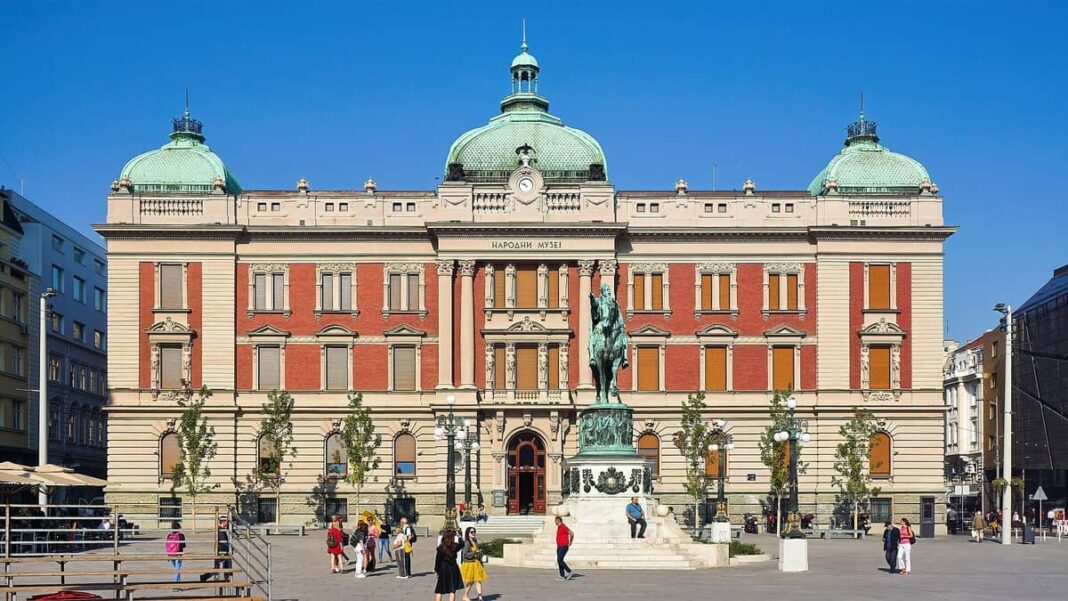
Situated in Belgrade’s Republic Square, the National Museum of Serbia is among the country’s most important cultural institutions. Founded in 1844, the museum preserves an extensive collection of archaeological discoveries, paintings, sculptures and historical artefacts. Following major restoration work, it reopened to the public in 2018 with modernised exhibition spaces. Visitors can discover ancient Roman treasures, medieval Serbian heritage, European masterpieces and significant works by Serbian and Yugoslav artists. Its galleries illustrate the country’s artistic development across different historical periods. The museum’s impressive architecture and central location make it an essential stop for visitors exploring Belgrade’s cultural attractions and Serbia’s rich artistic traditions.
5. Temple of Saint Sava – An Architectural and Spiritual Masterpiece
The Temple of Saint Sava is one of Belgrade’s most recognisable landmarks and among the largest Orthodox churches in the world. Located in the Vračar district, this magnificent religious monument honours Saint Sava, an important figure in Serbian Orthodox Christianity. Its enormous dome, white marble exterior and impressive architectural design dominate the surrounding skyline. Inside, visitors can admire elaborate golden mosaics, religious artwork, decorative chandeliers and richly detailed interiors. The beautifully decorated crypt is another major highlight. Built on a site traditionally associated with the burning of Saint Sava’s relics, the temple represents Serbia’s religious heritage, national identity and artistic achievements. It attracts worshippers, cultural tourists and architecture enthusiasts from around the world.