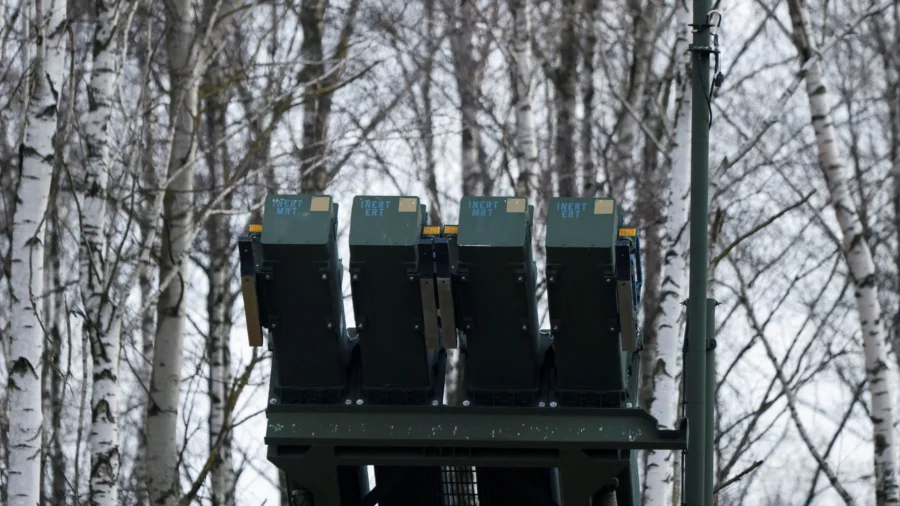
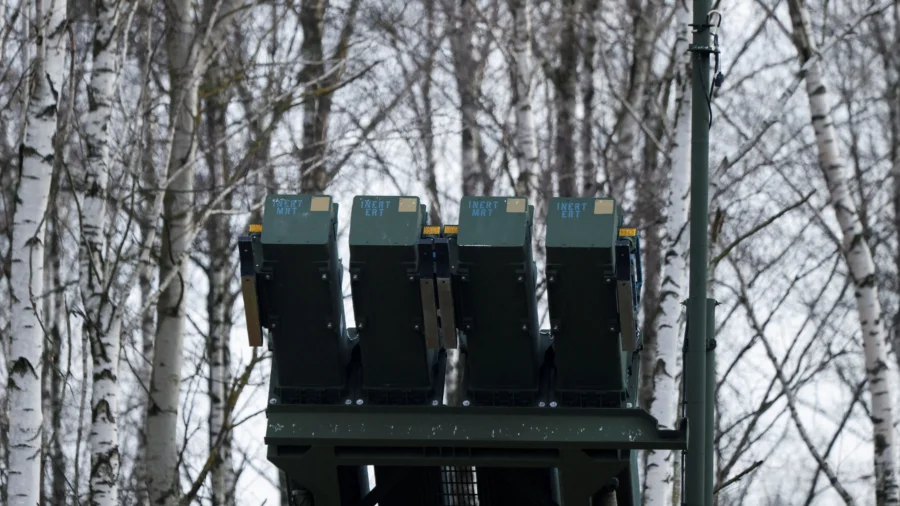
The US State Department said on Friday it had approved the sale of 500 Patriot PAC-3 missiles to Ukraine for an estimated $2.1 billion, in what would be one of the most significant steps to supply defensive weapons to Kyiv since the start of the second Trump administration.
Delayed missile deliveries have added to Ukraine’s tensions with the US after President Donald Trump announced a diesel deal with Russia and criticised Ukrainian President Volodymyr Zelenskiy for Ukraine’s unwillingness to stop attacks on Russian refineries.
Ukraine has long said it urgently needs more missile interceptors to knock down the growing waves of missiles Russia’s military fires at the country. The Patriot missile system is the most effective weapon to counter fast-moving ballistic missiles.
Ukraine will pay for the missiles with contributions from Canada, Germany and Norway routed through a program called US JUMPSTART, along with national funds financed by the European Union’s Ukraine Support Loan, the State Department said in a statement.
The program uses donations from allies to buy weapons, services and training for Ukraine to support its self-defense following Russia’s invasion, according to a Pentagon website.
The JUMPSTART program was used in August to buy 3,350 air-launched cruise missiles worth $825 million made by Zone 5 Technologies and CoAspire.
Lockheed Martin is the principal contractor for the sale of the Patriot interceptors.
The US has supplied large quantities of weapons to allies while also using munitions in its own military operations in Iran, raising concerns about inventories of key air defense and precision-guided weapons.
In July, the US Army awarded Lockheed a contract worth up to $58.6 billion to produce Patriot interceptor missiles.
Lockheed has said that deal would allow it to follow through on a promise to triple PAC-3 MSE production capacity by the end of 2030 and increase jobs at its Camden, Arkansas, plant by 50%, to about 1,850 from 1,200. Lockheed previously announced Patriot PAC-3 missile interceptor production would go to 2,000 units annually.
Pentagon negotiators are pressing contractors to move much faster, with tentative production agreements struck earlier this year at the center of efforts to increase missile output.