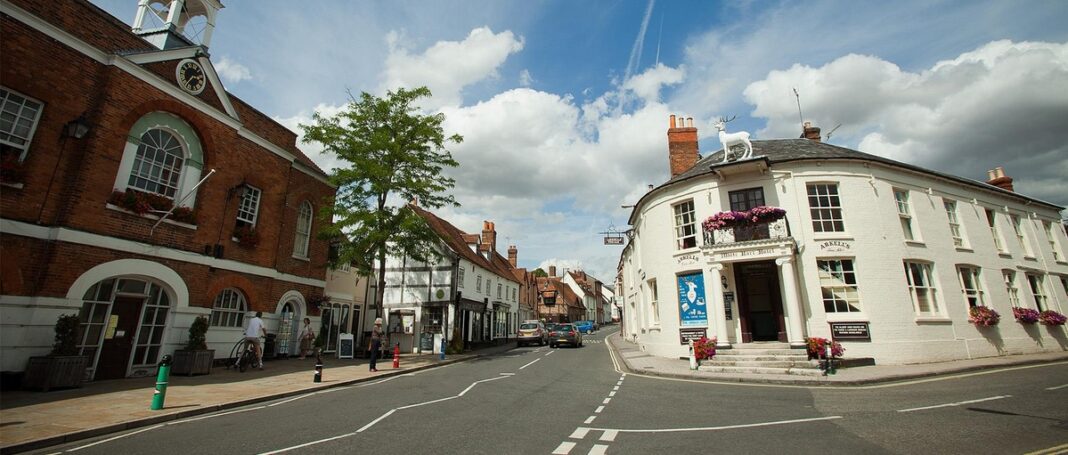

Hampshire is strengthening its appeal as one of southern England’s most varied countryside and coastal travel destinations in 2026, with seven distinctive locations — Alresford, Alton, Andover, Kingsclere, Lymington, Petersfield and Romsey — offering visitors a striking combination of historic charm, outdoor adventures, maritime experiences and family attractions. From the Georgian streets of Alresford and the sailing harbours of Lymington to the literary landscapes around Kingsclere, these destinations demonstrate the county’s appeal beyond its major cities. The story also has a fresh development angle following Test Valley Borough Council’s October 2026 approval of additional investment in regeneration projects, including improvements planned for Andover and Romsey.
As travellers explore alternatives to conventional city breaks, Hampshire offers opportunities to combine historic market towns, steam railway journeys, chalkstream walks and scenic coastal attractions within one regional itinerary. Its independent shops, traditional pubs, gardens and heritage sites provide established reasons to visit throughout the year. Although the seven destinations offer different experiences, they share an important characteristic: each allows visitors to explore local history and natural landscapes while supporting smaller tourism businesses.
Advertisement
Advertisement
Alresford Captures the Magic of Georgian England with Colourful Streets and Historic Steam Train Adventures
Alresford offers a classic English countryside experience through its pastel-coloured Georgian houses, historic streets and close connections with Hampshire‘s watercress industry. Situated east of Winchester, near the South Downs National Park, the town attracts visitors interested in peaceful walks, independent shopping and heritage travel. The River Alre and nearby waterways form an important part of its identity, while traditional tearooms, independent restaurants and antique shops add to the visitor experience. Its compact centre makes it particularly suitable for couples and day-trippers who want to explore a historic town without travelling between widely separated attractions.
The Watercress Line provides one of Alresford’s strongest tourism attractions. This preserved railway operates along a ten-mile route between Alresford and Alton, taking passengers through scenic Hampshire countryside aboard heritage trains. Visitors can also follow the town’s Millennium Trail, explore the River Alre and discover the landscape associated with historic watercress cultivation. Alresford’s annual Watercress Festival adds a distinctive food and cultural dimension, while local establishments such as The Globe and Pulpo Negro contribute to its dining appeal. Together, these attractions make Alresford an appealing destination for traditional English weekend escapes.
Alton Opens a Remarkable Journey into Jane Austen’s Literary World and Hampshire’s Railway Heritage
Alton combines historic market-town character with one of England’s best-known literary associations. Located in East Hampshire, close to the Surrey border, the town provides access to Chawton, where Jane Austen spent the final years of her life and wrote or revised several celebrated novels, including Pride and Prejudice and Emma. Jane Austen’s House offers visitors an opportunity to understand the novelist’s domestic surroundings and creative life, while nearby Chawton House introduces another important chapter of the area’s literary heritage. These attractions make Alton particularly relevant for cultural travellers, international literature enthusiasts and educational groups.
Alton also serves as the eastern terminus of the Watercress Line, creating opportunities for heritage railway itineraries linking several Hampshire destinations. The Curtis Museum, St Lawrence Church and surrounding countryside trails provide additional reasons to explore the town. Direct rail services to London Waterloo improve its accessibility for visitors travelling without a car. Its relatively practical location between Hampshire and Surrey also supports weekend itineraries combining historic villages and rural landscapes. For tourism businesses, the combination of literary heritage, railway experiences and countryside access gives Alton a distinctive position within Hampshire’s cultural visitor economy.
Advertisement
Advertisement
Andover Enters an Exciting New Chapter as Major Regeneration Plans Bring Fresh Energy to the Test Valley
Andover is emerging as an important focus of public investment in Hampshire’s visitor infrastructure. The largest town in Test Valley, positioned between Basingstoke and Salisbury, is undergoing a regeneration programme intended to improve its town centre, strengthen public spaces and encourage economic activity. On 14 October 2026, Test Valley Borough Council approved a £67 million increase in funding for its wider Corporate Action Plan programme. The investment covers several projects across the borough, including Andover’s planned new theatre, Western Avenue Riverside Park and improvements to the Chantry Centre, alongside projects in Romsey. The funding is not exclusively for Andover.
The new riverside park represents a significant part of this transformation. Plans include opening up a previously less accessible section of the River Anton, creating public green space and improving walking and cycling connections. In September 2026, the UK Government approved highway changes required for the park project. The planned theatre, designed with a main auditorium seating more than 400 people, is expected to be completed in 2028, subject to delivery progress. Until these developments are finished, visitors can explore established attractions including the Andover Museum and Museum of the Iron Age, The Lights Theatre and surrounding Test Valley countryside. Nearby chalk streams, cycling routes, fishing opportunities and historic estates strengthen the town’s existing appeal for active families and cultural visitors.
Advertisement
Advertisement
Kingsclere Reveals a Thousand Years of Heritage and the Dramatic Countryside Behind Watership Down
Kingsclere provides a quieter alternative to Hampshire’s larger market towns, combining historic village architecture with expansive chalk downland landscapes. Situated near the Berkshire border between Basingstoke and Newbury, the settlement has a long history associated with English royal and religious life. Its traditional streets, historic church, independent businesses and country pubs create the atmosphere of a rural English village. For visitors interested in heritage exploration, Kingsclere offers a chance to discover local architecture and historic routes away from more heavily visited tourism centres.
The surrounding countryside gives Kingsclere particular appeal among walkers and literary enthusiasts. Watership Down, the landscape associated with Richard Adams’ celebrated novel, lies nearby, while the North Wessex Downs provide dramatic views and extensive walking opportunities. Kingsclere Parish Council identifies two Millennium Trail walking routes that explore village buildings and surrounding fields. The parish also includes sections of the Wayfarers Walk and other countryside paths. Traditional inns and local hospitality businesses complement these experiences, allowing visitors to combine history, rural food and nature within a single itinerary. The destination is particularly well suited to independent travellers, countryside weekenders and visitors looking for a slower, more traditional English holiday.
Lymington Combines Coastal Luxury, Sailing Adventures and New Forest Beauty in One Exceptional Escape
Lymington offers a different side of Hampshire, where sailing culture, coastal heritage and premium leisure experiences meet the landscapes of the New Forest. Positioned along the Lymington River near the Solent, the town is recognised for its marinas, yacht clubs and maritime traditions. Its Georgian High Street, independent boutiques, restaurants and historic Saturday market provide attractions beyond the waterfront. The cobbled Quay Hill leads towards the Old Town Quay, where visitors can explore traditional harbour scenery and enjoy waterfront dining. The town attracts a varied audience, including families, sailing enthusiasts, couples and travellers seeking a comfortable coastal break.
The Lymington Sea Water Baths add another distinctive experience, with the historic open-air attraction dating back to 1833. Nearby Milford on Sea offers coastal walks and views towards the Isle of Wight, while Hurst Castle provides an important example of Tudor coastal defence. However, English Heritage currently lists Hurst Castle as closed until March 2027, making advance planning essential. Lymington also operates as a ferry gateway to Yarmouth on the Isle of Wight, allowing travellers to combine Hampshire with a second coastal destination. Its maritime infrastructure, established hospitality scene and proximity to protected landscapes make it particularly relevant to premium leisure tourism and coastal holiday itineraries.
Advertisement
Advertisement
Petersfield Offers an Outstanding South Downs Nature Escape with Ancient Landscapes and Outdoor Adventures
Petersfield gives visitors direct access to the South Downs National Park, making it one of Hampshire’s most appealing locations for walking, cycling and countryside holidays. The historic market town combines independent shops, restaurants, traditional markets and cultural venues with extensive protected natural landscapes. Its position within the national park allows visitors to explore rural trails, chalk hills and nearby villages without travelling far from local services. Direct railway links to London and the south coast also strengthen its accessibility for day visitors and weekend travellers.
Petersfield Heath is among the town’s leading attractions, covering approximately 69 acres and featuring a 22-acre pond. The South Downs National Park Authority identifies 21 Bronze Age burial mounds within the heath, together with wildlife habitats and walking routes. Visitors can enjoy lakeside scenery, picnics and nature observation, with seasonal rowing boat hire providing an additional recreational activity. The surrounding national park offers opportunities for longer walks, cycling and exploring the wider chalk downland environment. Petersfield’s cultural attractions, including its museum and arts activities, further broaden its visitor appeal. This combination of accessible nature, historic surroundings and independent hospitality makes Petersfield particularly suitable for outdoor enthusiasts and travellers interested in sustainable countryside experiences.
Romsey Delivers a Wonderful Family Escape with Ancient Abbeys, Scenic Gardens and Peppa Pig World
Romsey combines centuries of English heritage with some of Hampshire’s most recognisable family attractions. Situated along the River Test, the historic market town is known for its medieval streets, traditional buildings and impressive Romsey Abbey, whose origins date back to AD 907. The abbey remains an important landmark, while King John’s House and Heritage Centre provides another opportunity to explore local history. Independent shops, tearooms and traditional pubs contribute to the town’s welcoming atmosphere. Riverside scenery and the surrounding Test Valley countryside add appeal for walking enthusiasts and travellers seeking a peaceful heritage break.
Beyond the town centre, Mottisfont offers historic interiors, riverside gardens and an internationally recognised collection of old roses. The National Trust reported that the collection flowered unusually early in 2026, demonstrating the importance of checking seasonal conditions when planning garden visits. Families can also explore Paultons Park, home to Peppa Pig World, which features nine rides designed for younger children. The park’s location at Ower, near Romsey, makes the town a practical base for family stays. Additional attractions across the Test Valley include historic estates, walking trails and opportunities to discover the River Test’s famous chalkstream environment. Together, these experiences position Romsey as a destination capable of serving family tourism, heritage visits and countryside holidays.
Seven Hampshire Destinations Offer Different Travel Experiences for Every Type of Visitor
Hampshire’s appeal comes from the differences between its market towns, rural villages and coastal communities. The following comparison highlights the most suitable destinations for different visitor interests.
| Destination | Primary tourism attraction | Best suited for |
|---|---|---|
| Alresford | Watercress Line, Georgian streets and river walks | Couples, heritage railway visitors and day-trippers |
| Alton | Jane Austen’s House, museums and steam railway connections | Literary travellers, history enthusiasts and cultural groups |
| Andover | Test Valley countryside, heritage attractions and evolving town-centre facilities | Families, outdoor visitors and regional short-break travellers |
| Kingsclere | Watership Down, royal heritage associations and countryside trails | Hikers, literary enthusiasts and heritage visitors |
| Lymington | Sailing marinas, coastal scenery, waterfront dining and New Forest access | Premium leisure travellers, boating enthusiasts and couples |
| Petersfield | South Downs National Park, Petersfield Heath and local markets | Walkers, cyclists, families and nature travellers |
| Romsey | Romsey Abbey, Mottisfont and Paultons Park | Families, garden enthusiasts and heritage visitors |
Why Hampshire’s Growing Destination Appeal Matters for England’s Tourism Industry
The seven destinations illustrate how Hampshire can support several tourism markets without depending exclusively on major cities or large attractions. Alresford and Alton offer connected railway and cultural experiences, while Kingsclere and Petersfield provide opportunities for nature-based travel. Lymington supports sailing and coastal hospitality, and Romsey combines heritage sites with family entertainment.
Advertisement
Advertisement
Andover introduces a different dimension through public investment in visitor-facing infrastructure. The October 2026 funding decision creates potential for improved public spaces, cultural facilities and stronger town-centre connections, although the economic results will depend on project delivery and visitor demand.
For accommodation providers, tour operators and independent businesses, this geographical diversity creates opportunities to develop multi-stop itineraries. Visitors interested in steam railways can combine Alresford with Alton, while families exploring Romsey can also discover the wider Test Valley. Coastal visitors staying in Lymington can incorporate the New Forest and Isle of Wight into longer journeys. The county’s combination of historic buildings, food businesses, rivers, countryside trails and coastal attractions provides a broad foundation for domestic and inbound tourism. However, no verified figures establish that these seven towns are experiencing a collective surge in visitor arrivals during 2026.
What Travellers Should Know Before Planning a Hampshire Holiday
Visitors can choose between rail-connected market towns, rural villages and coastal destinations according to their interests. Several attractions operate seasonal timetables, making advance checks particularly important for heritage railways, historic houses, outdoor swimming and ferry services.
The most useful experiences include:
- Historic railway travel: Combine Alresford and Alton aboard the Watercress Line.
- Literary tourism: Explore Jane Austen’s heritage at Chawton and the Watership Down countryside near Kingsclere.
- Coastal experiences: Discover Lymington’s marinas, sea water baths and nearby New Forest landscapes.
- Nature and outdoor activities: Explore Petersfield Heath, the South Downs and Test Valley chalkstream walks.
- Family and cultural tourism: Combine Romsey Abbey, Mottisfont and Paultons Park with Andover’s museums and theatre.
Visitors should also distinguish between existing attractions and future projects. Andover’s proposed theatre and new riverside park are regeneration developments rather than completed visitor facilities. Hurst Castle is currently closed until March 2027, and the main rose display at Mottisfont is seasonal.
What Comes Next as Hampshire Builds on Its Heritage, Coastal and Countryside Strengths
Hampshire’s next tourism development phase will be shaped partly by the delivery of regeneration projects in Test Valley. The planned new theatre and riverside park in Andover, together with improvements proposed for Romsey, could strengthen local public spaces and support future leisure activity.
Advertisement
Advertisement
Elsewhere, the county’s established attractions remain central to its appeal. Heritage railway journeys, literary museums, historic gardens, sailing facilities and protected landscapes provide varied reasons for visitors to return at different times of year. For regional tourism businesses, the opportunity is to connect these experiences into longer itineraries that encourage visitors to explore more than one town. Alresford, Alton, Andover, Kingsclere, Lymington, Petersfield and Romsey each offer a distinctive version of Hampshire, creating a diverse regional tourism proposition rooted in history, local culture and natural beauty.