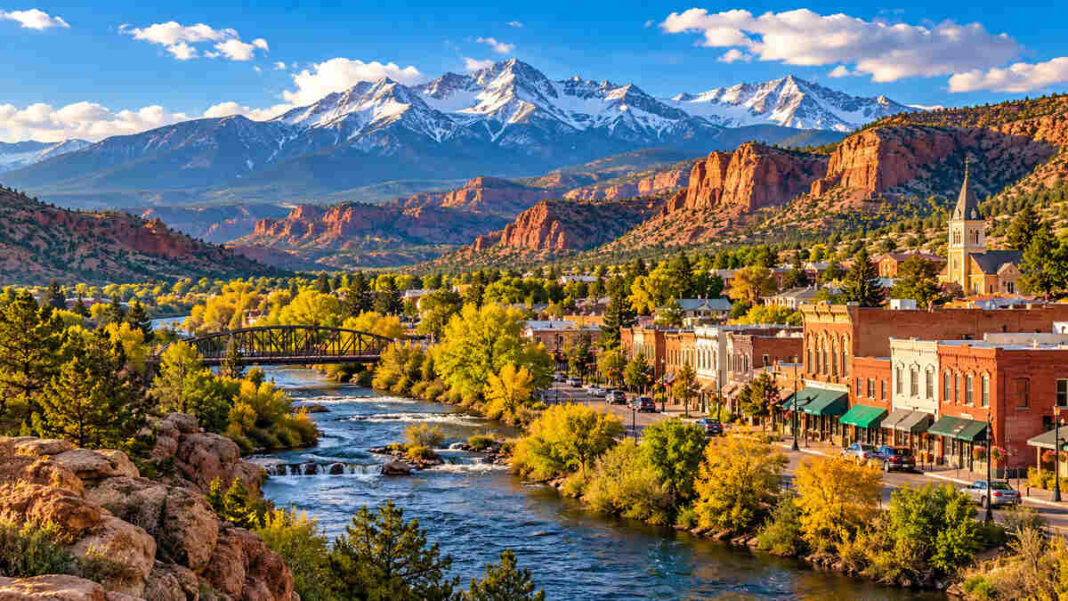

Colorado is becoming an increasingly popular place to retire for Americans who love the outdoors, friendly communities and low cost of living. While it is well known for being an expensive place to live, there are some smaller towns that provide more affordable options. From Grand Junction and Pueblo to Trinidad and Sterling there are plenty of communities to check out with estimated monthly living costs of less than $3000. These places will give you access to outdoor activities, historic areas and local facilities whilst also offering more affordable housing options for those on a set income in their retirement.
Colorado’s appeal extends beyond its dramatic Rocky Mountain scenery. Its lakes, river valleys, national parks and historic towns provide opportunities for active and relaxed retirement lifestyles. However, affordability remains a major consideration for older residents planning to relocate.
Advertisement
Advertisement
An analysis attributed to SoFi Bank, drawing on Bureau of Economic Analysis and Missouri Economic Research and Information Center data, places Colorado’s average annual living costs at approximately $66,448, equivalent to more than $5,537 monthly. This statewide estimate highlights the financial challenges facing retirees, particularly those relying on pensions, savings or Social Security benefits.
Nevertheless, local cost-of-living estimates suggest that several communities offer substantially lower expenses. Figures compiled from BestPlaces and Apartments.com identify nine destinations where estimated monthly living costs for an individual range from approximately $2,500 to $2,900.
Advertisement
Advertisement
These estimates provide a starting point rather than a guaranteed retirement budget. Actual spending depends on accommodation, healthcare, transport, insurance and individual lifestyle requirements.
Pueblo Offers Reservoir Recreation and Lower Housing Expenses
Pueblo combines a historic urban environment with access to lakeside recreation, cultural attractions and relatively inexpensive accommodation. Located in southern Colorado, the city offers a different retirement experience from the state’s higher-cost mountain resorts.
Advertisement
Advertisement
With an estimated population of 110,404 in July 2025, Pueblo provides an established community setting with shopping, entertainment and recreational infrastructure.
One of its principal attractions is Lake Pueblo State Park, situated west of the city. The reservoir supports boating, fishing and other outdoor activities, making it particularly appealing to retirees who enjoy spending time near water.
Advertisement
Advertisement
Pueblo’s Riverwalk also contributes to its appeal. The waterfront district features restaurants, retail establishments, museums and galleries, offering opportunities for social engagement and leisurely outings.
BestPlaces estimates that a single resident requires approximately $2,867 monthly to cover living expenses. Its calculations place Pueblo 9.7% below the national cost-of-living average and 25.1% below Colorado’s overall level.
Rental accommodation offers further potential savings. Apartments.com reported average monthly apartment rent of $990 in October 2026, while studio accommodation averaged approximately $894.
The same dataset indicated that 60% of renters paid $1,000 or less monthly, including 16% whose accommodation cost less than $700.
Advertisement
Advertisement
These figures position Pueblo as a potentially attractive retirement location for individuals seeking accessible recreation, community amenities and lower housing costs.
Grand Junction Combines Western Colorado Landscapes with Affordable Retirement Living
Grand Junction stands out as a retirement destination for residents seeking dramatic scenery alongside the conveniences of an established regional city. Located in western Colorado, the community provides access to mountain landscapes, river corridors, lakes and outdoor recreation areas.
The city’s estimated population reached 71,827 in July 2025, according to figures attributed to the US Census Bureau. Its size supports a range of services and cultural amenities while retaining proximity to natural attractions.
Retirees can explore Rim Rock Drive, which offers panoramic views of the surrounding canyon landscape. Nearby recreational areas provide opportunities for fishing, boating, sightseeing and leisurely outdoor excursions. The region also supports vineyards and local agricultural tourism, adding another dimension to its lifestyle appeal.
According to BestPlaces estimates, an individual living in Grand Junction requires approximately $2,900 per month, equivalent to $34,800 annually. The city’s estimated living costs are 17.8% below Colorado’s overall level and 0.9% below the national average.
Housing is a significant contributor to its affordability. Apartments.com placed average monthly apartment rent at approximately $1,232 in October 2026. Its rental distribution indicated that 39% of tenants paid $1,000 or less monthly, while another 33% paid between $1,001 and $1,500.
Advertisement
Advertisement
For retirees seeking a balance between natural beauty, urban services and moderate housing expenses, Grand Junction presents a practical alternative to Colorado’s more expensive mountain communities.
Montrose Connects Peaceful Small-Town Living with National Park Adventures
Montrose offers a combination of outdoor access, small-city amenities and a relatively relaxed residential environment. Situated in western Colorado, the community serves as a gateway to some of the state’s most distinctive natural landscapes.
Its estimated population stood at 21,583 in July 2025, providing a smaller community atmosphere than major metropolitan destinations.
A major attraction is nearby Black Canyon of the Gunnison National Park, known for its steep canyon walls and dramatic geological formations. The surrounding region supports hiking, scenic driving and nature observation.
Within Montrose, the Montrose Botanic Gardens provide opportunities to explore regional plant life. Cerise Park offers riverside recreation and open spaces for residents seeking less demanding outdoor activities.
BestPlaces estimates individual monthly living expenses at approximately $2,700. Its figures indicate that Montrose is 20.8% less expensive than Colorado overall and 4.6% below the national average.
Advertisement
Advertisement
However, rental accommodation can represent a substantial portion of a retirement budget.
Apartments.com estimated average monthly apartment rent at $1,567 in October 2026. Although many renters paid between $1,000 and $1,500, approximately one-third reportedly secured accommodation for $1,000 or less.
Montrose may therefore appeal particularly to retirees who prioritise outdoor recreation and a quieter community atmosphere, provided they can secure housing suited to their financial circumstances.
La Veta Provides Mountain Scenery and an Intimate Retirement Community
La Veta offers an alternative to Colorado’s larger retirement destinations. With fewer than 900 residents, the town is particularly suited to individuals who prefer a peaceful environment and a small community.
Situated near the Spanish Peaks, La Veta benefits from striking mountain scenery and access to outdoor recreation.
The surrounding landscape supports scenic excursions, nature observation and opportunities to enjoy Colorado’s rural environment.
Advertisement
Advertisement
Golf enthusiasts can also explore the local Grandote golf course, where the mountain backdrop contributes to the recreational experience.
Despite its attractive setting, La Veta is comparatively affordable according to the supplied cost-of-living estimates.
BestPlaces places monthly expenses for an individual at approximately $2,633. Its figures suggest the town is 21.4% less expensive than the national average and 34.8% below Colorado’s overall cost-of-living level.
Rental estimates also compare favourably with broader housing costs.
BestPlaces suggests accommodation expenses are approximately 22.5% below the national average, with a typical two-bedroom rental estimated at around $1,040 monthly.
However, retirees considering such a small community should also evaluate access to medical facilities, transport and essential services.
Advertisement
Advertisement
La Veta’s strongest appeal lies in its combination of rural tranquillity, mountain scenery and relatively manageable living expenses.
Delta Delivers Historic Charm and Some of Colorado’s Lowest Rental Estimates
Delta provides a small-town alternative for retirees interested in agricultural heritage, walkable streets and a closely connected community.
Located in western Colorado, the town had an estimated population of 9,802 in July 2025. Its relatively modest size contributes to a quieter environment while maintaining an active local business district.
Delta has longstanding connections with regional agriculture, particularly fruit production. Its historic downtown contains murals, independent businesses and community spaces that reflect the town’s cultural identity.
For retirees, these features offer opportunities for everyday recreation without depending entirely on extensive travel or expensive entertainment.
BestPlaces places estimated individual living expenses at approximately $2,667 per month. Its calculations suggest Delta’s cost of living is 22.7% below Colorado’s average and 6.8% below the national level.
Advertisement
Advertisement
Housing estimates are particularly notable.
Apartments.com reported average monthly rent of approximately $529 in October 2026, although such a low figure should be interpreted cautiously because rental availability and property types can vary considerably.
The same source estimated a two-bedroom rental at approximately $1,373 monthly, compared with a cited national average of $1,667.
It also indicated that roughly half of renters paid less than $701 per month.
Delta’s combination of local character, historic surroundings and relatively low estimated expenses could make it attractive to retirees seeking a slower pace of life.
Florence Blends Historic Streets and Royal Gorge Attractions with Budget-Friendly Housing
Florence provides a distinctive retirement setting through its historic downtown, antique businesses and proximity to the Royal Gorge region.
Advertisement
Advertisement
Located in central Colorado, the town has approximately 3,800 residents and offers a compact community environment.
Its historic commercial district supports antique shopping, galleries, restaurants and other small businesses. The original local tourism information identifies more than 100 antique-related shops, highlighting the town’s reputation for vintage retail.
Florence also benefits from its proximity to the Royal Gorge, one of Colorado’s prominent natural attractions.
While the surrounding region is associated with adventurous activities such as rafting and climbing, retirees can also enjoy scenic drives, sightseeing and cultural experiences without participating in strenuous recreation.
BestPlaces estimates monthly individual living expenses at approximately $2,633.
Its comparative figures place Florence 9% below the national cost-of-living average and 24.5% below Colorado’s overall level.
Advertisement
Advertisement
Apartments.com estimated average monthly rent at approximately $551 for a one-bedroom property in October 2026. Two-bedroom accommodation was estimated at around $625.
Using the conventional guideline that housing should account for no more than 30% of gross income, a monthly income of approximately $1,837 would support rent of $551 under that benchmark.
These figures suggest Florence could provide a financially accessible option for retirees who value historic surroundings, local culture and proximity to natural attractions.
Trinidad Offers Historic Architecture and Mountain Recreation at Lower Costs
Trinidad distinguishes itself through its historic streetscape, mountain surroundings and access to state parks.
Located in southern Colorado, the city had an estimated population of 8,091 in July 2025.
Its red-brick streets and historic architecture reflect the community’s longstanding regional heritage. The walkable downtown provides opportunities for shopping, sightseeing and exploring local businesses.
Advertisement
Advertisement
Natural attractions are another important part of Trinidad’s retirement appeal.
Fisher’s Peak State Park offers access to distinctive landscapes, while Trinidad Lake State Park supports fishing, boating and other recreational activities.
Together, these destinations create opportunities for both active and relaxed outdoor lifestyles.
According to BestPlaces, an individual living in Trinidad can expect monthly expenses of approximately $2,533.
Its calculations suggest the city is 22.4% less expensive than the national average and 35.6% below Colorado’s overall cost-of-living level.
Apartments.com estimated average monthly apartment rent at approximately $775 in October 2026.
Advertisement
Advertisement
The source also indicated that local rental costs were around 54% below the national average, with accommodation in the $700–$1,000 range representing a potentially accessible option.
Trinidad therefore combines historic character, recreational opportunities and comparatively low estimated housing costs, making it a destination worth examining for budget-conscious retirees.
Cañon City Combines Royal Gorge Landscapes with Manageable Retirement Costs
Cañon City offers access to Colorado’s dramatic canyon scenery while maintaining the amenities of a relatively small urban community.
Its estimated population reached 17,030 in July 2025, according to the supplied Census Bureau figures.
The nearby Royal Gorge is a major attraction. Visitors can explore viewpoints overlooking the Arkansas River and the Royal Gorge Bridge, while walking routes provide opportunities to experience the surrounding landscape.
For everyday recreation, Centennial Park offers open spaces, walking trails, picnic facilities and tennis courts.
Advertisement
Advertisement
The Royal Gorge Regional Museum & History Center also provides opportunities to explore the area’s cultural and historical development.
These attractions make Cañon City appealing to retirees seeking a lifestyle that combines outdoor experiences with community-based activities.
BestPlaces estimates individual monthly living expenses at approximately $2,600.
The source places local costs 9% below the national average and 24.5% below Colorado’s overall level.
Housing expenses are another potential advantage.
Apartments.com reported average apartment rent of approximately $891 monthly in October 2026, considerably below the national rental benchmark cited in the original figures.
Advertisement
Advertisement
For retirees who want access to notable natural landmarks without the higher accommodation costs associated with some resort destinations, Cañon City offers an appealing combination of scenery and relative affordability.
Sterling Stands Out as the Lowest-Cost Destination Among Nine Colorado Communities
Sterling emerges as the least expensive destination in the supplied comparison, with estimated individual living expenses of approximately $2,500 monthly.
Located in northeastern Colorado, the city had an estimated population of 13,054 in July 2025.
Its setting differs from the mountain-oriented communities of western Colorado. Instead, Sterling offers access to river landscapes, reservoirs and the open scenery of the state’s northeastern plains.
North Sterling State Park is a major recreational attraction, providing opportunities for fishing, boating and outdoor relaxation.
The South Platte River also passes through the community, contributing to its natural setting.
Advertisement
Advertisement
Sterling maintains an established local arts scene, with murals, sculptures and galleries adding cultural interest to the city.
BestPlaces estimates monthly living expenses at $2,500, equivalent to approximately $30,000 annually.
Its comparative calculations place Sterling 32.9% below Colorado’s overall cost-of-living level and 19.2% below the national average.
Apartments.com estimated average monthly apartment rent at approximately $862 in October 2026. Studio accommodation averaged around $674.
The original rental figures also indicated that most local tenants paid less than $1,000 monthly.
For retirees prioritising manageable expenses, access to nature and an established small-city community, Sterling represents one of the strongest budget-oriented options in this comparison.
Advertisement
Advertisement
Colorado’s Affordable Retirement Towns Compared
The following table summarises the supplied monthly living-cost estimates and rental figures for the nine destinations.
| Colorado destination | Estimated monthly living costs | Average monthly rent* | Main lifestyle attraction |
|---|---|---|---|
| Grand Junction | $2,900 | $1,232 | Canyon landscapes, lakes and vineyards |
| Pueblo | $2,867 | $990 | Reservoir recreation and Riverwalk |
| Montrose | $2,700 | $1,567 | National park access and hiking |
| Delta | $2,667 | $529 | Historic downtown and agricultural heritage |
| La Veta | $2,633 | $1,040 | Spanish Peaks and rural tranquillity |
| Florence | $2,633 | $551 | Antique district and Royal Gorge proximity |
| Cañon City | $2,600 | $891 | Royal Gorge scenery and cultural attractions |
| Trinidad | $2,533 | $775 | Historic architecture and state parks |
| Sterling | $2,500 | $862 | Reservoir recreation and local arts |
*Rental figures reflect the accommodation categories quoted in the supplied material, not a consistent property type. La Veta is based on a two-bedroom estimate and Florence on a one-bedroom estimate. Figures are attributed to BestPlaces and Apartments.com, with rental observations dated October 2026. They have not been independently reverified.
What Retirees Should Consider Before Relocating to Colorado
Although these communities offer relatively low estimated living expenses, retirement affordability involves more than rental prices.
Healthcare access remains particularly important. Smaller towns may have fewer specialist medical facilities, requiring residents to travel for certain appointments or treatments.
Transport costs also deserve attention. While historic downtown areas may be walkable, access to supermarkets, hospitals and recreational destinations can still depend on private vehicles.
Colorado’s varied geography creates additional financial considerations. Heating expenses, winter road conditions and property maintenance requirements may differ substantially between mountain communities, western valleys and eastern plains.
Advertisement
Advertisement
Retirees should also distinguish between estimated living costs and their own expected expenditure. Housing type, medical insurance, utilities, taxes and personal spending habits can significantly alter monthly budgets.
Before relocating, prospective residents should compare available rental properties, healthcare services and transport options against their expected retirement income.
Colorado’s Smaller Communities Could Redefine Affordable Retirement Living
Colorado’s reputation as an expensive destination does not tell the complete story of its retirement housing market.
The nine communities examined demonstrate how location can substantially influence the cost of maintaining a comfortable lifestyle.
Sterling and Trinidad stand out for their comparatively low overall living-cost estimates. Delta and Florence offer particularly inexpensive rental figures in the supplied data, while Grand Junction and Montrose provide access to western Colorado’s distinctive landscapes.
Pueblo and Cañon City combine established community amenities with outdoor recreation, while La Veta offers a quieter rural alternative.
Advertisement
Advertisement
The central finding is that retirement in Colorado does not necessarily require a monthly budget exceeding $3,000, although individual circumstances determine whether that threshold is achievable.
For Americans looking to relocate for retirement, these smaller spots show how you can enjoy beautiful scenery, culture and relatively cheap accommodation in one of the most iconic mountain states in the country.