A Florida man survived a flesh-eating bacterial infection after spending 101 days in the hospital, including a month in intensive care, and five days in a coma. He said doctors came close to amputating his arms.
“It was a three-day process of being and looking fine to having my hands and arms looking like a big blood blister,” Stough said.
The infection sent him to Bethesda East Hospital in Boynton Beach, where his condition left him close to losing his arms and his life. “I was one day away from having my arms amputated and another day away from possible death,” he said.
In one post, Stough said he spent five days in an induced coma, one month in intensive care, and underwent 10 surgeries during his 101-day hospital stay. In another, he said his scars resulted from three skin-graft procedures.
Stough was released four days before his birthday. He continues to recover but said he will never regain full movement in his hands and arms. He also faces medical bills approaching seven figures.
“I got a second chance,” Stough said. “I’ll never have full movement of my hands and arms again. But that’s the little stuff now.”
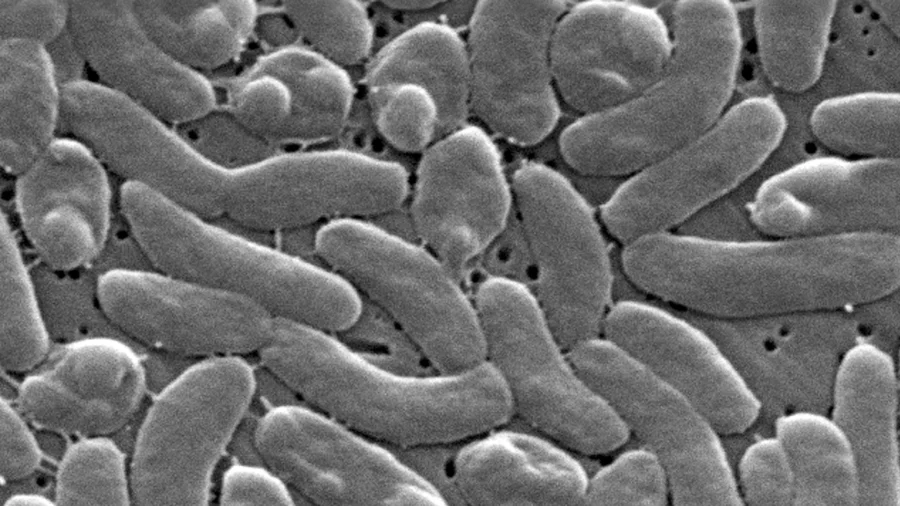
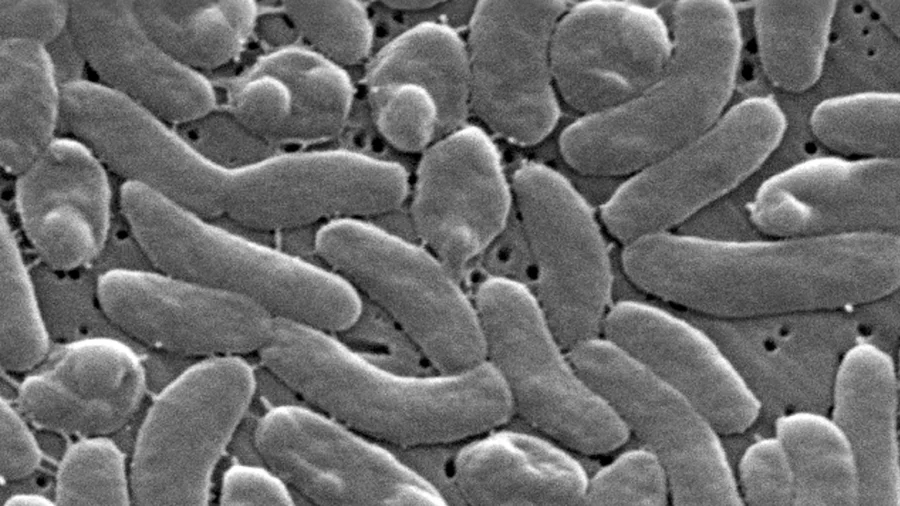
Some infections lead to necrotizing fasciitis, a fast-moving infection that destroys tissue around a wound. Severe cases may require intensive care, surgery, or amputation. About one in five people infected with Vibrio vulnificus die, sometimes within one or two days of becoming ill, the CDC said.
The CDC advises people with open wounds to avoid coastal water or cover the wound with a waterproof bandage. Anyone who develops redness, pain, swelling, warmth, or discoloration after exposure should seek medical care immediately. (CDC)