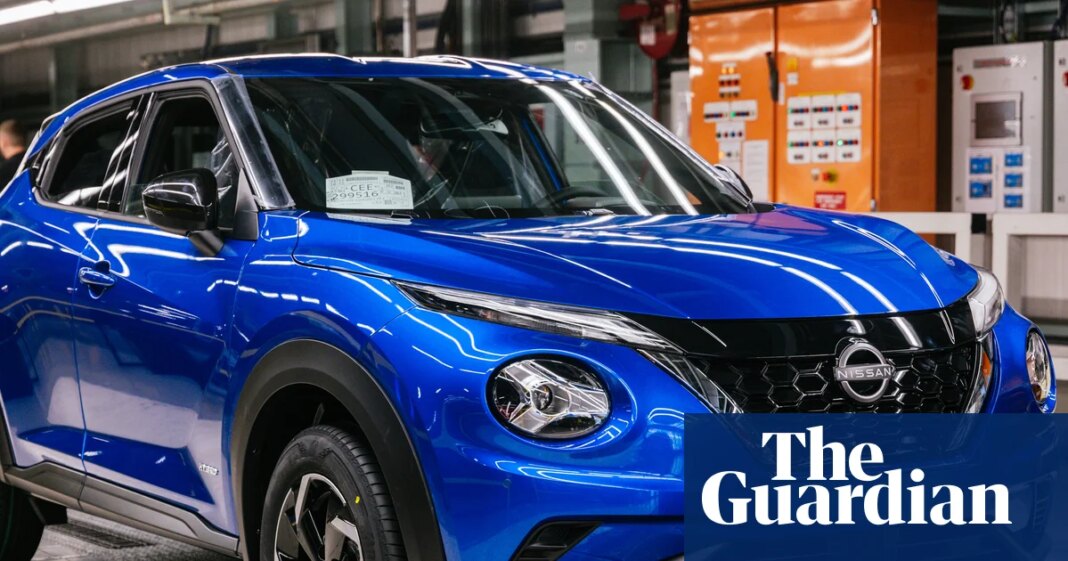
Sir Keir Starmer is reportedly preparing to tear up one of Britain’s flagship green motoring policies after mounting warnings that it is threatening jobs and piling costs onto motorists.
In a significant retreat from Labour’s net zero agenda, ministers are expected to water down rules forcing car manufacturers to sell ever-increasing numbers of electric vehicles. The move is understood to have been driven by concerns from industry chiefs, trade unions and business ministers that the current targets are unrealistic and risk damaging one of Britain’s most important manufacturing sectors.
Under existing rules, 80% of all new cars sold in the UK must be fully electric by 2030. However, reports suggest that target could be cut dramatically to just 50%.
The decision represents a major setback for Energy Secretary Ed Miliband, who has championed the rapid transition to electric vehicles as part of Labour’s drive towards net zero emissions.
Industry leaders have repeatedly warned that the rules are forcing manufacturers into costly discounting programmes to persuade reluctant consumers to switch to battery-powered cars.
Companies that fail to hit government quotas face fines of up to £12,000 for every vehicle sold above their permitted limit.
The industry estimates the policy has already cost manufacturers around £10 billion in its first two years through incentives, discounts and compliance measures.
The Zero Emission Vehicle (ZEV) mandate was introduced by Boris Johnson’s government and came into force in 2024. It required 22% of car sales to be electric in its first year, rising steadily each year until reaching 80% in 2030.
That year is also due to mark the end of new petrol and diesel car sales in Britain. Motoring bosses have warned the pace of change is running ahead of consumer demand, despite growing interest in electric vehicles. The prospect of factory closures and job losses is understood to have been a decisive factor in Starmer’s intervention.
Sharon Graham, general secretary of the Unite union, recently warned that the policy was “significantly contributing to the loss of automotive jobs in Britain”.
She said: “This is a clear fact. The targets must be radically reduced. If the government sits on its hands it will be responsible for the decimation of the automotive industry.”
The UK automotive sector contributes around £25 billion a year to the economy, supports 183,000 direct jobs and a further 600,000 positions throughout the supply chain.
Labour MP Liam Byrne, chairman of the Business and Trade Select Committee, has also warned ministers that manufacturers are spending billions of pounds subsidising electric vehicle sales in an attempt to hit government targets. The expected changes would bring Britain closer to the approach adopted in Europe.
The European Union has already softened its own plans, replacing rigid electric vehicle sales targets with broader carbon reduction goals and allowing a greater role for hybrid and conventional vehicles beyond 2030. However, environmental campaigners and charging industry bosses have reacted angrily to reports of a climbdown.
Simon Smith, chief executive of charging specialist Voltempo, said weakening the mandate would reward the “slowest movers” in the industry.
He told the Sunday Times that motorists are increasingly choosing electric vehicles because they can offer lower running costs and protection from volatile oil prices. The government is expected to launch a consultation on the proposed changes in the coming weeks.
Any overhaul would also require agreement from devolved administrations, raising the prospect of a political battle with ministers in Scotland and Wales over the future direction of Britain’s green transport policies.