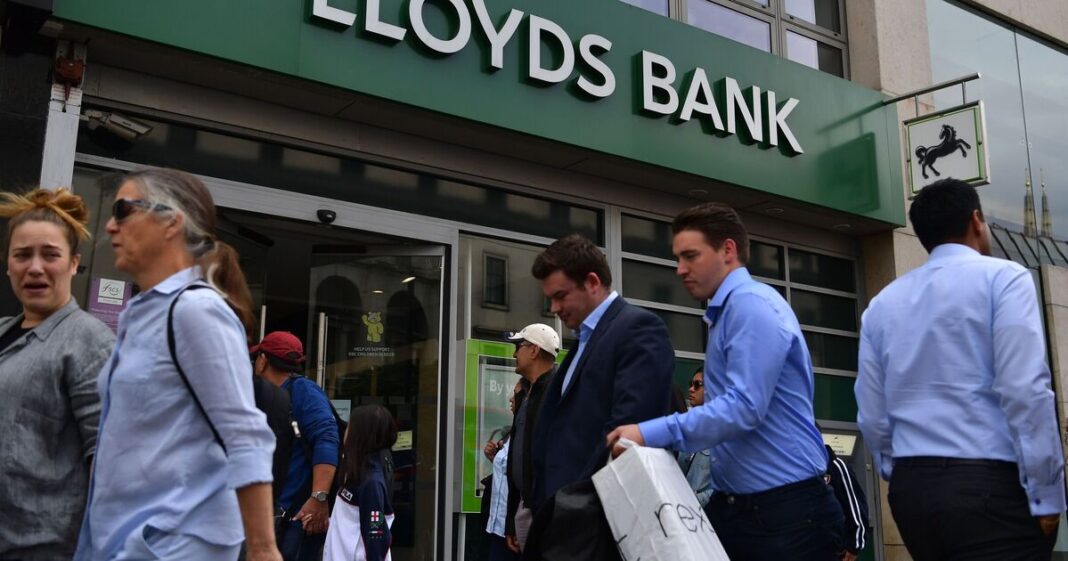
The number of fraudsters impersonating the tax office to steal from Brits has risen over the past year, with victims losing an average of £2,288 per case, Lloyds Bank says.
HM Revenue and Customs (HMRC) scams can involve messages about tax refunds to persuade people to click on a link and enter personal or financial details. Broader impersonation scams have increased by 10% over the past year, with victims losing an average of £3,516, up from £3,200. Liz Ziegler, a fraud prevention director at Lloyds, said: “Summer can be an expensive time of year, with many people focused on managing their finances around holidays, family days out and other seasonal costs.
“Fraudsters know money is often at the top of people’s minds and use convincing stories about account issues, refunds or urgent payments to pressure people into acting quickly.”
Impersonation scams often start with a phone call, text, email or social media message.
Criminals using the tactic pretend to be trusted organisations, such as banks, the police, HMRC, and broadband and mobile providers.
In police and bank scams, victims may be told their money is at risk and asked to move it to a “safe account”.
In some cases, criminals tell victims their own bank is involved in fraud, then coach them to lie if a genuine member of bank staff asks why they are moving money.
Broadband and mobile provider scams involve claims of issues with a bill, contract or internet connection, before asking for personal details or payment. The average amount lost to broadband and mobile provider impersonation scams is £1,169, according to Lloyds.
Some impersonation scams can be much more high-value, with one person losing £188,000 to a police impersonation scam, the bank said. In that case, an 85-year-old woman was persuaded to make eight gold purchases over a five-month period, resulting in a total loss of £188,000.
The gold was then collected by someone she believed to be an undercover police officer involved in an investigation.
Ms Ziegler said: “A scam message is designed to rush you. It will make you feel you need to act straight away or keep things secret.”
She said that if people are unsure about a phone call claiming to be from a bank, the police, or another organisation, they should end the call and contact the organisation directly using a trusted number.