Published on
September 22, 2025

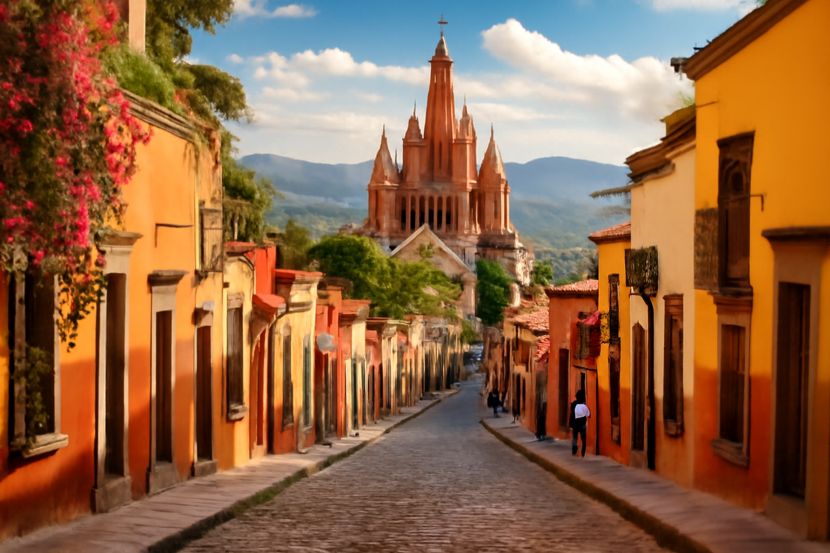
While Mexico is widely known for its beautiful beaches and coastal resorts, the country’s colonial cities offer a deeper, more meaningful travel experience. These historic destinations, filled with cobblestone streets, centuries-old cathedrals, and vibrant town squares, tell the story of Mexico’s rich cultural heritage. From the silver-mining hills of Guanajuato to the artistic hub of San Miguel de Allende, Mexico’s colonial cities are a haven for history buffs, food lovers, cultural explorers, and those seeking adventure.
The country has encouraged travelers to look beyond the typical beach vacation and visit these living museums, which are home to authentic traditions, stunning architecture, and welcoming locals. These cities offer a glimpse into Mexico’s past while celebrating its present, allowing visitors to connect with the soul of the nation.
A Journey Through Mexico’s Architectural Wonders
Mexico’s colonial cities are famous for their breathtaking architecture. Many of these cities, founded in the 16th century, boast a blend of European and indigenous designs that make them stand out. Visitors can explore gothic and baroque cathedrals, colonial mansions, and stone aqueducts. The cities of Morelia and Querétaro, for example, are known for their well-preserved examples of Spanish colonial architecture, while San Cristóbal de las Casas offers a charming mix of European and indigenous influences.
These architectural treasures not only tell the story of Mexico’s past but also provide stunning backdrops for travelers to enjoy leisurely walks through cobblestone streets and historic plazas. The cities’ walkable centers are perfect for exploring slowly, allowing visitors to take in the beauty of their surroundings at a relaxed pace.
A Taste of Mexico: World-Class Cuisine
Mexican cuisine is diverse, and each colonial city has its own unique flavors to offer. Puebla, for example, is famous for its legendary mole poblano, a rich sauce made from chilies and chocolate, while Oaxaca is known for its tlayudas, tamales, and artisanal mezcal. Travelers can visit local markets to taste fresh regional ingredients or sign up for food tours and cooking classes to learn how to make traditional dishes themselves.
Food is an integral part of life in these cities, and visitors are invited to indulge in the vibrant flavors while supporting local artisans. Dining in these towns goes beyond just food – it’s about experiencing a deep connection to the culture and traditions of each region.
Cultural Celebrations and Festivals
One of the most captivating aspects of Mexico’s colonial cities is their vibrant festivals and traditions. These cities come alive during national celebrations like Mexican Independence in September and the world-famous Día de los Muertos (Day of the Dead) in Morelia. During Día de los Muertos, families honor their deceased loved ones with colorful altars, parades, and offerings. Semana Santa (Holy Week) processions in cities like San Luis Potosí also provide an opportunity to witness the country’s spiritual heritage.
In addition to these celebrations, visitors can explore centuries-old markets where artisans sell handmade textiles, pottery, and jewelry. These markets not only offer unique souvenirs but also help preserve the cultural heritage of these regions.
Natural Beauty and Sustainable Tourism
Mexico’s colonial cities are surrounded by stunning landscapes, including valleys, mountains, and rivers. The compact, walkable city centers make it easy for travelers to explore at their own pace while enjoying the natural beauty that surrounds them. From rooftop sunsets over pink-hued churches to hiking through nearby canyons and forests, the colonial cities provide a perfect setting for eco-friendly travel.
Sustainability is a key focus for the Ministry of Tourism, which is encouraging visitors to support local economies and help preserve cultural heritage. By shopping at artisan cooperatives or joining community-led tours, travelers are contributing to the preservation of the environment and the livelihoods of small businesses in rural and indigenous communities.
A Slower Pace of Life: Authenticity and Peace
For those seeking a break from overcrowded tourist spots, Mexico’s colonial cities offer a slower, more intentional pace of life. Visitors can relax in sunny courtyards, sip coffee in historic plazas, and interact with locals who are eager to share their stories and traditions. These cities provide an authentic experience that emphasizes culture, community, and personal connection.
The lack of large tourist crowds makes these destinations feel more intimate, allowing visitors to truly connect with the heart of Mexico. It’s an opportunity to escape the hustle and bustle of traditional tourist hubs and embrace the tranquility of a city where life moves at a gentler pace.
The Future of Travel in Mexico’s Colonial Cities
Mexico’s colonial cities are set to continue attracting visitors seeking cultural enrichment, authentic experiences, and sustainable travel. As more travelers discover the charm and beauty of these destinations, the impact on local economies will only grow. The country’s tourism efforts are focused on preserving the rich history and culture of these cities while ensuring that future generations can continue to experience their unique offerings.
By exploring these hidden gems, travelers not only support local communities but also contribute to the preservation of Mexico’s heritage, making a positive impact on both the tourism industry and the future of these historic cities.