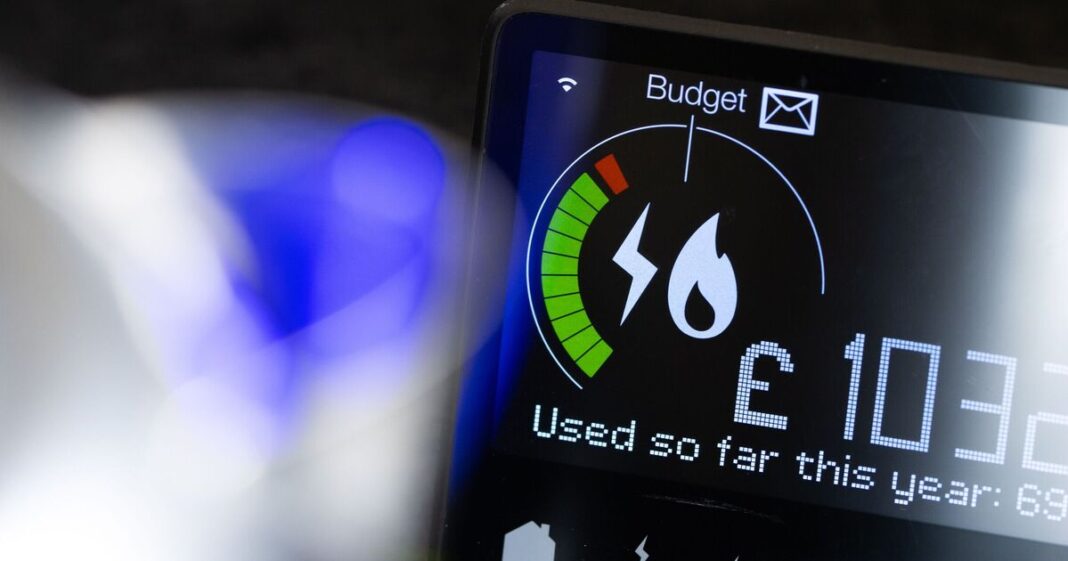

UK households issued new warning as average energy debt jumps £2,432 (Image: Getty)
Households already struggling with energy debt have been left with deeper arrears despite falling energy prices, leaving them “dangerously exposed” to another rise in bills this winter.
Free advice service Money Wellness has sounded the alarm ahead of Ofgem’s next price cap announcement on Wednesday, which will dictate how much energy bill unit rates will rise in autumn. Current forecasts project bills to rise by at least 4% on October 1 – an extra blow for those already battling energy debt. While the proportion of Money Wellness’s customers with energy debt has fallen from 58% in 2023 to 37% in 2026, those still in debt owe significantly more. The average amount owed has jumped 19% in three years, rising from £2,037 to £2,432. Sebrina McCullough, director of external relations at Money Wellness, said: “The fact that fewer people are now turning to us with energy debt might sound like good news, but there is another story underneath the headline.

The alert comes ahead of Ofgem’s next price cap review on Wednesday (Image: Getty)
“The people who are still in energy debt owe more than they did three years ago, and they are much more likely to be vulnerable, out of work, supporting children and reliant on benefits.”
Money Wellness warned that even a slight increase in Ofgem’s price cap could disproportionately affect households that are already facing thousands of pounds in energy debt.
This concern is especially relevant as the announcement comes just before winter, a time when energy consumption usually rises.
Ms McCullough added: “It looks increasingly like the households who have been able to recover are clearing their arrears, while those being left behind are facing much deeper affordability problems.
“That is why the next price cap announcement matters so much. These households have already absorbed years of higher energy, food and household costs. Their financial resilience has been worn down, and there simply isn’t much left to absorb another increase.
“We’re warning now, before the announcement, because people shouldn’t wait for another wave of arrears to build before they act.”
Our community members are treated to special offers, promotions, and adverts from us and our partners. You can check out at any time. Read our Privacy Policy
Energy debt affects 43% of customers citing a physical disability and 45% of those with mental health concerns, Money Wellness data shows.
Among customers whose only income is from benefits, 43% have energy debt, compared with 32% of those with other income sources.
Money Wellness says this suggests energy debt marks a sign of “structural affordability problems rather than simply poor household budgeting”.
For households with little disposable income, there may be no realistic way to cut spending enough to cover higher energy costs. Once essential expenditure has absorbed most or all available income, further price rises can instead translate directly into arrears.
The money site is urging anyone worried about their energy bills or already behind on payments to seek free debt advice as early as possible. Support may include repayment arrangements with suppliers, hardship assistance, benefits and other forms of income maximisation.
Energy complaints handled by ombudsman jump 16%
The alert comes as mounting financial pressure has sparked a wave of financial disputes.
New figures show energy complaints taken on by the industry ombudsman surged by 16% in the first half of 2026.
The Energy Ombudsman said it accepted 46,532 cases in the six months to the end of June, up from 40,068 a year earlier and marking the first half-year rise in complaints since 2023.
Ed Dodman, chief ombudsman for energy, said: “The findings in this report highlight the continued challenges facing many energy consumers at a time of ongoing pressure on household finances.
“Energy Ombudsman has an important role to play in ensuring consumers can access fair resolutions when things go wrong, while supporting suppliers to resolve disputes and address the root causes of complaints.
“We will continue to monitor complaint trends closely and work with suppliers to address areas of concern and ensure consumers can access fair, timely resolutions when things go wrong.”