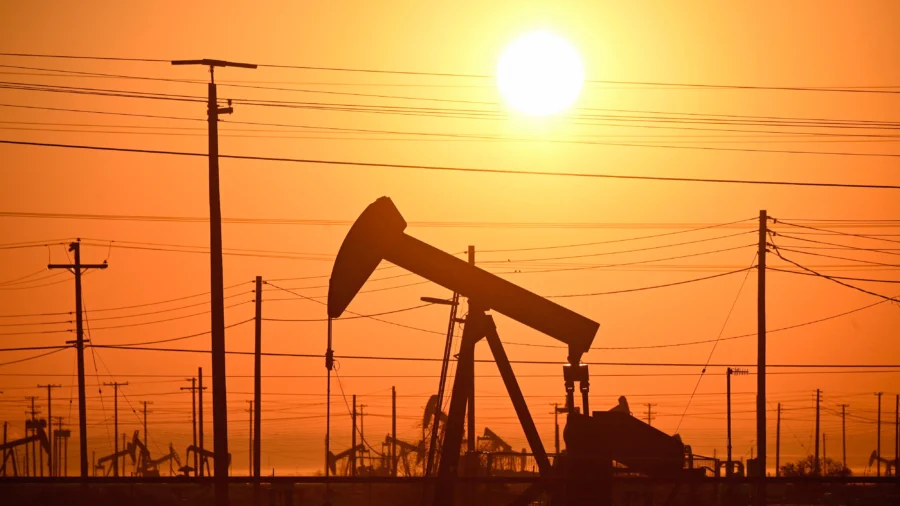
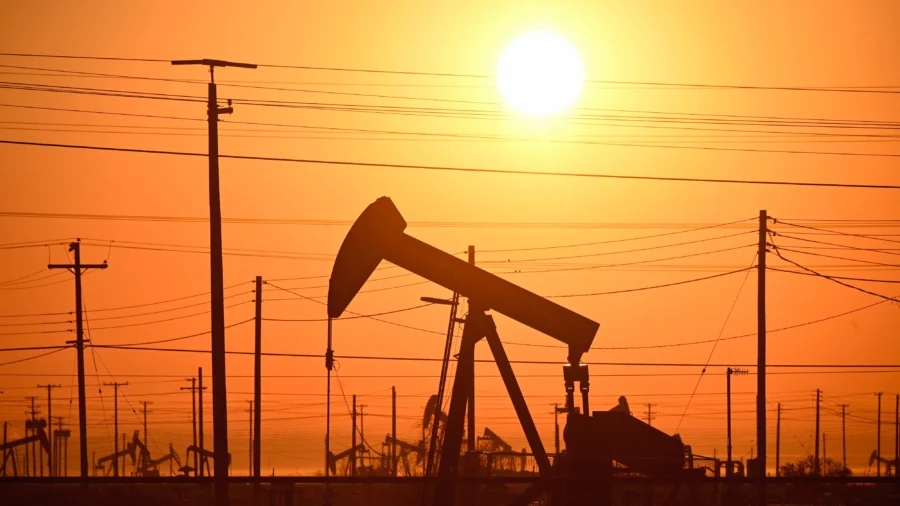
The United States was the largest crude oil producer in the world in 2025, outputting a “record-high” 13.6 million barrels per day (bpd), according to a July 9 statement from the Energy Information Administration (EIA).
America’s output was far ahead of second-placed Russia, which produced 9.9 million bpd. Saudi Arabia came in third with 9.6 million bpd, with Canada in the fourth spot at 5 million bpd. The difference in oil output between the United States and other top producers widened last year, with Russian supplies mostly remaining unchanged year-over-year while Saudi Arabia saw a modest increase.
The 13.6 million bpd output breaks the previous U.S. and global production record of 13.2 million bpd set in 2024. The United States first overtook Russia as the top global oil producer in 2018 and has since retained the number one spot.
EIA attributed the consistently high oil production in the United States to “continued gains in drilling productivity and operational efficiency across key shale basins, which allow operators to extract more oil per well.”
Powered by shale development, the United States has become not only the top crude oil producer “but the largest producer of crude oil ever,” the agency said.
In addition to record-high production last year, exports have been climbing. In April, U.S. exports of crude oil and petroleum products hit a record, with crude oil exports averaging 5.6 million bpd, 21 percent higher than the previous record from December 2023, the EIA said in a July 8 statement.
The exports of finished petroleum products, including jet fuel and motor gasoline, hit the highest level since December 2024.
The record-high exports in April 2026 came amid disruptions to energy shipments through the Strait of Hormuz due to the U.S.–Iran war, a development that ended up boosting global demand for American energy. Brent crude oil futures had hit a peak of over $126 per barrel in April. Prices have since come down and ended Friday at around $76.
In its latest statement, EIA said the jump in oil production last year happened despite oil prices being lower, with the West Texas Intermediate (WTI) price dropping from an average of $77 per barrel in 2024 to $65 per barrel in 2025. WTI is a benchmark for crude oil produced in the United States.
Moreover, EIA predicts America’s crude oil production to be close to 13.7 million bpd this year and to rise to 14.2 million bpd in 2027.
Boosting Oil Production
The higher oil output follows multiple actions taken by the Trump administration aimed at boosting production.
This action came under criticism from the environmental group Sierra Club. Mike Scott, Sierra Club’s oil and gas campaign manager, in a March 18 statement, accused President Donald Trump of making oil corporation CEOs richer at the cost of the environment.
“The Western Arctic is not just any landscape—it’s one of the last true wild places in the country, home to rare and threatened wildlife and cultures that have subsisted on the land for thousands of years,” Scott said.
“Drilling in the Arctic won’t solve our energy crisis, but it will cause irreversible damage to these pristine landscapes. Big Oil has been champing at the bit to get its hands on these lands, and Trump is making their wishes come true.”
Secretary of the Interior Doug Burgum had said, post the lease sale in Alaska, that the sale underscored the reserve’s vital role in strengthening America’s energy security.
The reserve “was created to support our nation’s energy needs, and this successful sale demonstrates what’s possible when we align responsible development with that original purpose,” Burgum said. “Revenues from these leases will help bolster local communities, create good‑paying jobs, and ensure that Alaska continues to be a cornerstone of America’s domestic energy production.”
On July 7, the department said that these restrictions violated federal law and asked the court to dismiss the lawsuits.
U.S. acting Attorney General Todd Blanche said that the prior administration’s actions “improperly limited” Alaska’s energy potential through “unreasonable” regulations. “This settlement supports the Trump administration’s commitment to secure American energy independence and our national security for generations to come.”