Wednesday, May 21, 2025

Something thrilling is unfolding in Okinawa—and it’s not your usual island escape. Junglia Park in Okinawa is gearing up for a grand launch, and it’s already poised to reshape Japan’s tourism scene like never before. But that’s not all. This isn’t just another theme park—it’s a bold vision. One that could fuel regional expansion far beyond Japan’s borders. And yes, you definitely don’t want to miss this update.
Why all the buzz? Because Junglia Park in Okinawa isn’t following the rules—it’s rewriting them. With a dynamic blend of nature and adrenaline, this park promises to reshape Japan’s tourism scene with attractions that challenge the ordinary. From treetop walks to dinosaur safaris, it’s built to thrill. And as it prepares to open its gates, it’s already setting its sights on something bigger: regional expansion across Asia.
But what makes it so special? What gives it the power to disrupt an entire industry? What secrets lie within this 60-hectare adventure haven? Don’t miss this update, because once you dive into the details, you’ll realize this isn’t just a park—it’s a movement.
So buckle up. Something bold is rising in Okinawa. Junglia Park is poised to reshape Japan’s tourism scene, inspire travelers worldwide, and spark a wave of regional expansion. This is the future of travel—daring, immersive, and unforgettable. Don’t miss this update. The story starts now.
Japan is about to make a massive leap in tourism innovation with the upcoming debut of Junglia, a thrilling new nature adventure park set against the breathtaking landscape of Okinawa. Scheduled to open its doors on July 25, this ambitious project is more than a fun-filled destination—it’s a bold strategy aimed at harnessing Japan’s post-pandemic tourism resurgence and launching a regional tourism powerhouse across Asia.
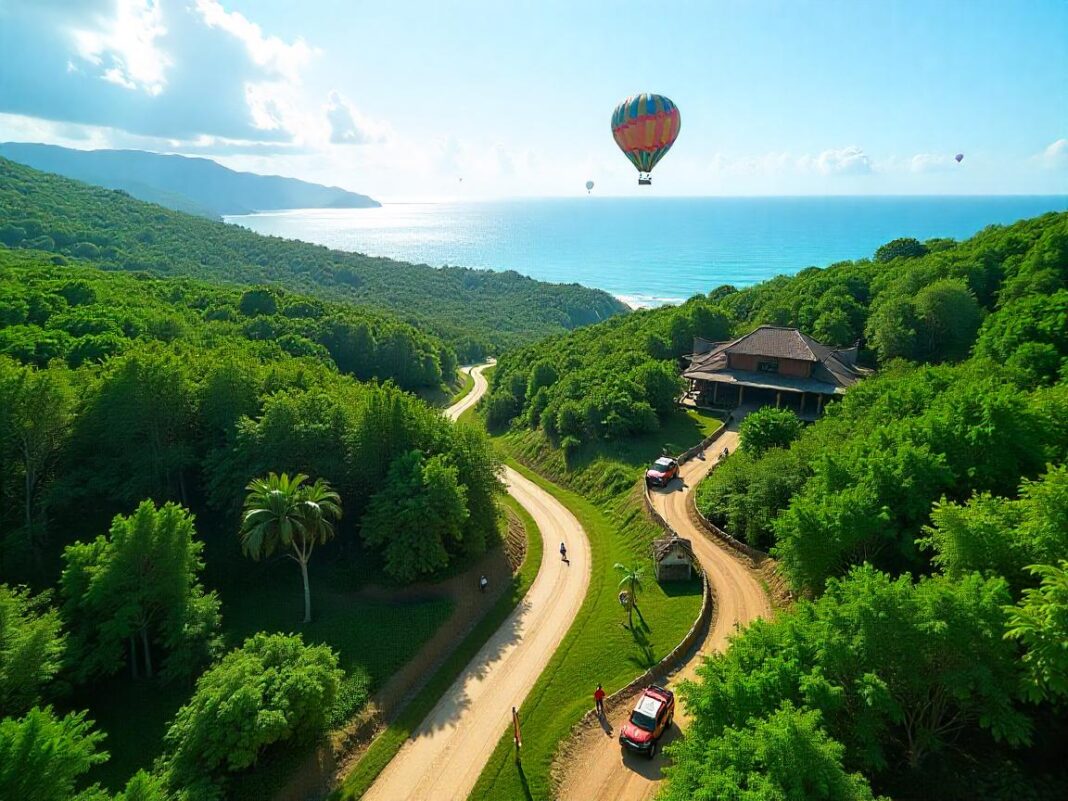
Occupying 60 hectares of lush terrain formerly home to a golf course, Junglia blends nature immersion with high-adrenaline entertainment. With over 20 unique attractions—ranging from hot air balloon rides and buggy expeditions to treetop walks and an immersive Dinosaur Safari—the park is betting big on the growing demand for experience-driven travel.
And it couldn’t be launching at a better time.
Tourism in Japan Is Exploding—And Junglia Is Jumping In
Japan’s tourism sector is riding an unprecedented wave. With international arrivals soaring past 3 million visitors in March 2025 alone, the country is set to break all previous tourism records. Fueled by pent-up global travel demand, a weaker yen, and renewed airline connectivity, Japan has become one of the top global destinations this year.
Okinawa, already a popular getaway for domestic travelers, is now stepping into the international spotlight. The island’s pristine beaches, tropical climate, and cultural appeal make it a natural magnet for tourists seeking adventure and authenticity.
Junglia’s strategic location in Okinawa gives it direct access to this momentum, while also positioning it as a springboard into broader Asian markets. With short-haul flights from Taiwan, South Korea, and China, the park is well-poised to attract regional travelers looking for weekend escapes and family-friendly attractions.
A Startup with Mega Regional Ambitions
The development of Junglia is spearheaded by a Japanese startup that isn’t just thinking local. The park’s backers envision this launch as the first step in a multi-market rollout across Asia, targeting emerging travel hotspots in Southeast Asia and beyond.
By using Japan’s robust infrastructure, safety reputation, and growing international appeal as a launchpad, the company aims to replicate its success in countries where nature-based tourism is on the rise but lacks the high-end experiential infrastructure Japan can provide.
This isn’t just another theme park. It’s a platform for scalable tourism innovation designed to tap into Asia’s $2 trillion travel economy—an industry projected to outpace global growth rates over the next five years.
Designed for the New-Age Tourist: Sustainable, Thrilling, Shareable
Today’s travelers crave more than sightseeing—they want stories, adventures, and emotional highs. Junglia has been crafted to cater to these desires with attractions that balance adventure with ecological awareness.
Visitors will be able to explore treetop paths suspended in the canopy, ride off-road buggies through natural terrain, and float above the island’s beauty in a serene hot air balloon. These are not just activities—they are memory-making machines engineered for maximum social media impact and immersive storytelling.
Meanwhile, the park promises to follow sustainable development principles. By converting a defunct golf course rather than clearing new land, it reduces environmental disruption while showcasing the potential of eco-conscious tourism redevelopment.
Japan’s Theme Park Market Gets a Powerful New Contender
For decades, Japan’s theme park industry has been dominated by giants like Universal Studios Japan and Tokyo Disney Resort. But the market is evolving.
The new post-COVID traveler wants more intimate, nature-based, and culturally rich experiences. Junglia fills this gap, providing a fresh, hybrid model that fuses outdoor adventure with high-tech interaction—without the crowd overload and urban sprawl of traditional mega-parks.
If successful, Junglia could rewrite the blueprint for theme parks in Asia. It represents a shift from steel coasters and fantasy castles to natural thrills and real-world exploration.
Economic Impact for Okinawa and Beyond
The local impact of Junglia’s opening is expected to be substantial. Initial projections suggest it will generate hundreds of jobs, attract international investment, and increase tourism spending in Okinawa by millions of yen annually.
Moreover, the ripple effect could rejuvenate surrounding businesses—hotels, restaurants, transport providers, and cultural sites—all of which stand to benefit from higher tourist traffic.
The government’s ongoing initiatives to promote regional tourism and decentralize travel away from Tokyo and Osaka further align with Junglia’s mission. This makes the park not just a commercial venture, but a key player in Japan’s broader tourism strategy.
Urgency and Opportunity: Why Now Matters
There’s a limited window for new entrants to claim their share of the Asian travel boom. With borders open, airlines adding routes, and digital platforms pushing hyper-personalized travel, the competition is fierce.
Junglia’s July 25 launch is timely. It capitalizes on peak summer travel, the return of regional school holidays, and a wave of content-hungry travelers eager for unique experiences.
If it delivers on its promise, Junglia could trigger a new trend in Asian tourism—where small, nimble, nature-based parks gain as much attention as big-brand resorts. And that’s a powerful idea.
The Big Picture: What Junglia Means for the Travel Industry
Junglia is more than an attraction. It’s a case study in what’s next for travel and tourism in Asia.
It reflects the global shift toward localized, experiential, and sustainable tourism. It offers a template for how startups can use strategic location and market timing to compete with legacy brands. And it provides a glimpse into how Japan is reimagining its tourism landscape—not just for now, but for the next decade.
As Asian travelers look for meaning, memory, and mobility, Junglia delivers on all three. The park opens this summer, but the story it’s starting could echo across borders for years to come.