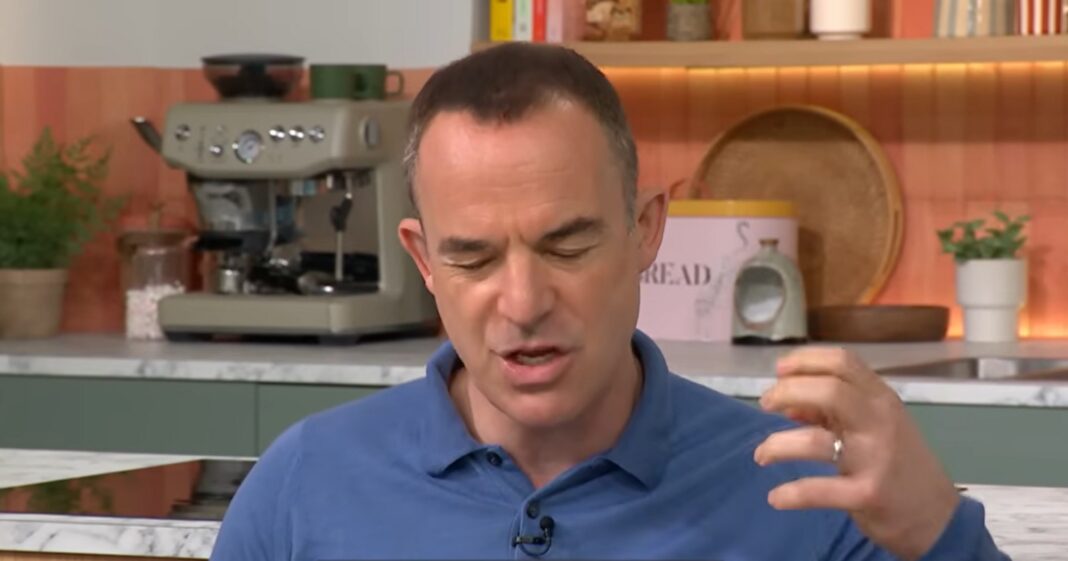

Martin Lewis has warned people not to use an appliance which eats power (Image: ITV)
Martin Lewis, the personal finance expert, has issued a warning about a ‘demon appliance’ that represents the biggest energy drain in the home and ought to be avoided wherever possible. Speaking on his BBC Radio 5 podcast, Mr Lewis was providing guidance amid soaring energy bills as the weather grows colder.
This week, it emerged that households are entering the winter owing a staggering £780 million to their energy suppliers, the highest figure in eight years, according to research carried out for Uswitch. The comparison site reported that approximately 3.5 million households are in debt to their provider, a substantial rise of 46% from 2.4 million last year.
Mr Lewis identified the tumble dryer as one appliance to use as sparingly as possible, given its cost of £1 per load. He said: “Do you know what the real ‘demon appliance’ is in most people’s houses – the one that you don’t want to use because it’s really expensive. Tumble dryers.
“You’re typically paying up to a quid per load, so dry your clothes on an airer outside, to shorten the amount of time you’re using your tumble dryer, or avoid using it completely. Those who have dehumidifiers can take some of the moisture out of the air. It’s less wattage than a tumble dryer, so it can be more cost-effective.”
One 5 live listener, Rob, had noticed that his flat had become damp since he started drying his washing indoors. He asked: “If I were to buy a dehumidifier, would it be cheaper than using the heating to keep the place dry?”
Martin explained: “Dehumidifiers take water out of the air rather than use the heating and they’re much lower wattage appliances than standard heating. So if the dehumidifier works for you, it will definitely have lower electricity bills.”
One issue is that radiators can heat areas where the warmth does little good, escaping outside before it can raise the temperature indoors. Speaking previously on his BBC Podcast, Mr Lewis suggested that homeowners should look into fitting reflective panels behind their radiators — bouncing heat back into the room rather than allowing it to seep through the wall.
He advised: “A tip for you, reflective panels behind radiators. Sheets of reflective material can be placed behind radiators. Crucially, this is on external wall radiators, so the heat doesn’t escape. If you don’t want to pay for those, then tin foil can work, although it doesn’t work quite as well.”
Currently, a 4 metre long roll of radiator heat reflector foil is available at Screwfix for £6.38, with a 15 per cent discount. He also shared further guidance on getting the most from radiators.
He said: “If you’ve got radiators in rooms that you’re not using, go and turn them off before you turn the heating on so you’re not wasting cash overheating empty spaces.
“Changing the flow rate on your boiler can cut gas bill by over 9% and you won’t notice the change.”
Mr Lewis also warned that households should steer clear of using a ‘demon appliance’ as frequently as possible. He advised: “Other general tips included: “Check your TV’s on a low energy setting too and walk around your house.
Be a draft detector – what drafts can you spot as you walk around your house?
And then try, if you can, to seal them up.” Ofgem’s price cap is to rise by 13% from July 1 driven by the ongoing conflict in the Middle East.
The jump will equate to a rise of £18 a month for the average household using both electricity and gas, with households seeing an increase of 24% on their gas bills and 5% on their electricity bills.
The typical household is now facing an annual energy cost of £1,862, up £221 on current levels, with early forecasts that this will rise further still in October.
Ofgem chief executive Tim Jarvis said: “We understand many will be concerned about rising prices. While energy use typically falls over the summer months, there are still practical steps households can take to manage costs, including exploring fixed tariffs or changing their payment method. Smart meter customers can also take advantage of half price or cheap electricity at the weekends.
“While our energy supplies remain secure, the best way to limit this exposure is by investing in our energy network. That’s why we’re unlocking the funding needed for the biggest transformation of our lifetime to deliver a system that is secure, resilient and works for consumers across Great Britain.”
The price cap refers to the default tariff applied when a customer has not signed for a fixed-rate deal. It sets a maximum price per unit of gas and electricity, meaning households only pay for the amount of energy they use.
Currently, 40% of accounts – or 22 million – are fixed tariffs, according to Ofgem figures, and are therefore unaffected by this price rise.
Gillian Cooper, director of energy at Citizens Advice, said: “Energy bills are going up again in July, which will be painful news for already-stretched households.
“One of the key tools to help people through this – the energy debt relief scheme – keeps being delayed.
“The scheme should be supporting people struggling with historic energy debt right now and the Government needs to put it in place as soon as possible.
“And as we head into the summer, the Government must use this time to prepare wisely, ahead of autumn.
“Families with children, disabled people and those struggling to pay rent need better targeted support in place before it’s too late.”