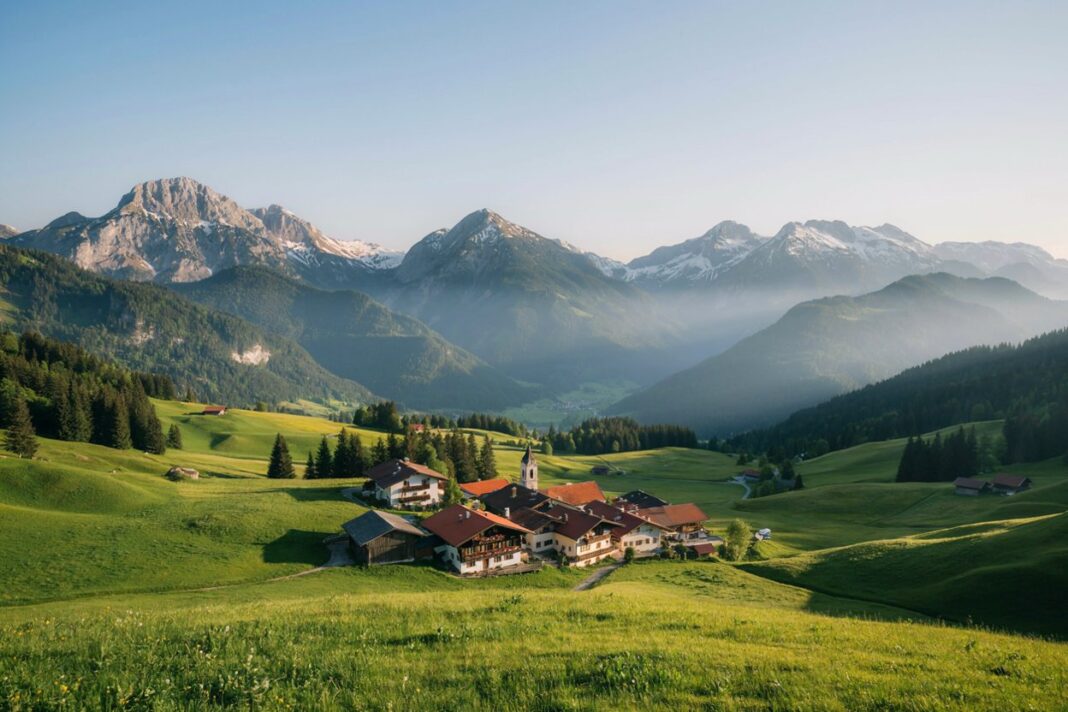

European mountain destinations are entering a new phase of winter tourism development as competition for international travelers intensifies. Austria, Italy, France, Switzerland, Slovenia, Finland, Norway, and several other countries are diversifying their seasonal attractions to reach wider audiences. While skiing remains a major source of tourism revenue, destinations are increasingly investing in experiences that appeal to families, couples, adventure enthusiasts, and non-skiers. Infrastructure modernization, cultural entertainment, improved accessibility, and targeted promotional campaigns are shaping this transformation. These developments could help mountain communities extend their tourism seasons, strengthen local economies, and reduce their dependence on traditional winter sports.
European mountain destinations with confirmed winter 2026–2027 promotional initiatives
| Country | Mountain destinations | Winter tourism initiatives | Important highlights |
| 🇦🇹 Austria | Ischgl, Kitzbühel, St Anton, Sölden, Obertauern | Season-opening concerts, festivals, glacier skiing and extended winter programmes | Ischgl scheduled its opening for 26 November; several resorts plan to operate into April or May 2027 |
| 🇮🇹 Italy | Cortina d’Ampezzo, Kronplatz, Val Gardena, Val di Fassa, Dolomites | New gondolas, chairlifts, upgraded slopes, energy-efficient infrastructure and Olympic legacy promotion | Dolomiti Superski scheduled its seasonal launch for 28 November 2026 |
| 🇫🇷 France | Alpe d’Huez, Les Deux Alpes, French Alps | Music festivals, film festivals, Christmas entertainment and anniversary celebrations | Tomorrowland Winter scheduled for 20–27 March 2027; Les Deux Alpes celebrates its 80th anniversary on 22 December 2026 |
| 🇸🇮 Slovenia | Rogla, Slovenian Alpine resorts and cross-country skiing centres | International digital advertising, snowmaking improvements, wellness tourism and infrastructure modernisation | Winter campaign covers 20 international markets; Rogla has installed 13 additional fixed snow guns |
| 🇸🇪 Sweden | Åre, Sälen, Hemavan Tärnaby | Updated national winter tourism promotion highlighting family resorts, skiing and mountain dining | Nearly 200 connected skiing areas and more than 100 terrain parks nationally |
| 🇧🇬 Bulgaria | Bansko, Pirin Mountains | Winter tourism promotion combining skiing with historic architecture and traditional hospitality | Bansko’s published 2026–2027 season runs from 1 December to 11 April, subject to snow |
| 🇦🇩 Andorra | Grandvalira, Pal Arinsal, Ordino Arcalís | Seasonal skiing programmes combined with shopping, thermal wellness and gastronomy | Proposed winter operating period: 4 December 2026 to 4 April 2027, subject to conditions |
How Are Austria and Italy Strengthening Their Winter Tourism Appeal?
Austria and Italy are strengthening their winter tourism offerings through infrastructure improvements, seasonal entertainment, and enhanced mountain experiences. Austrian destinations such as Ischgl, Kitzbühel, St Anton, and Obertauern are promoting winter sports alongside concerts, mountain dining, and cultural activities. Seasonal opening celebrations are designed to attract visitors before the busiest holiday periods, creating additional opportunities for accommodation providers and local businesses.
Advertisement
Advertisement
Italy is pursuing a similar strategy across the Dolomites, where destinations including Cortina d’Ampezzo, Kronplatz, and Val Gardena are benefiting from modernized mountain infrastructure. Investments in gondolas, chairlifts, and slope facilities aim to improve accessibility and visitor comfort. The international attention generated by the Milano Cortina 2026 Winter Olympics also provides Italy with an opportunity to strengthen its reputation as a premium winter destination. Both countries are demonstrating how sporting heritage, entertainment, hospitality, and infrastructure development can work together to attract international visitors and encourage longer stays throughout the winter season.
Why Is France Combining Winter Sports With International Entertainment?
France is expanding its mountain tourism appeal by integrating major entertainment events with established winter sports experiences. Destinations such as Alpe d’Huez and Les Deux Alpes are promoting music festivals, cultural celebrations, and seasonal entertainment to attract travelers with different interests. Tomorrowland Winter, scheduled for March 2027, represents an important opportunity to generate international demand beyond the traditional peak holiday periods.
Les Deux Alpes is also preparing to celebrate its 80th anniversary in December 2026, highlighting its history as a mountain tourism destination. Such celebrations can encourage repeat visits while introducing younger travelers to established Alpine communities. France’s approach reflects a broader understanding that winter visitors increasingly seek memorable experiences rather than skiing alone. Entertainment programs can support restaurants, hotels, transportation providers, and local retailers. By combining outdoor recreation with cultural attractions, French mountain resorts are creating additional reasons for international travelers to visit during different stages of the winter tourism season.
How Are Scandinavian Destinations Attracting Nature-Loving Winter Travelers?
Finland, Norway, and Sweden are strengthening their winter tourism appeal through experiences centered on natural landscapes, outdoor recreation, and regional culture. Finnish destinations such as Levi, Ruka, and Ylläs combine skiing with Northern Lights excursions, husky safaris, reindeer experiences, and snowmobiling. Ruka’s typically extended skiing season also provides opportunities to attract travelers outside conventional winter holiday periods.
Advertisement
Advertisement
Norwegian mountain destinations, including Trysil and Hemsedal, promote family skiing, cross-country trails, snowshoeing, and traditional outdoor experiences. Sweden’s Åre and Sälen offer family-oriented facilities, winter sports, mountain dining, and recreational activities suitable for different experience levels. These countries benefit from distinctive natural environments that allow them to differentiate themselves from conventional Alpine destinations. Their tourism strategies appeal to travelers seeking adventure, relaxation, and meaningful encounters with nature. By expanding activities beyond downhill skiing, Scandinavian destinations can attract a broader international audience while supporting local hospitality businesses and encouraging longer stays across their winter tourism regions.
What Makes Switzerland and Slovenia Attractive Beyond Traditional Skiing?
Switzerland and Slovenia are promoting diversified mountain experiences that appeal to visitors who may not participate in traditional winter sports. Swiss destinations such as Zermatt, St Moritz, Grindelwald, and Davos combine Alpine scenery with panoramic railway journeys, wellness retreats, mountain restaurants, and winter hiking. These experiences strengthen Switzerland’s position within the premium and experiential tourism markets.
Slovenia is pursuing a combination of international promotion and infrastructure development. Its winter marketing initiatives target 20 international markets, while destinations such as Rogla are investing in snowmaking improvements to support winter operations. The country also promotes cross-country skiing, wellness facilities, and nature-based recreation. This approach provides opportunities to attract visitors from established European source markets, including Germany, Austria, and the United Kingdom. Both countries demonstrate how mountain destinations can diversify their tourism products without abandoning their winter sports heritage. Expanding non-skiing experiences may also help businesses manage seasonal fluctuations and reach travelers with different interests.
Why Are Eastern European Mountain Resorts Becoming Competitive Alternatives?
Bulgaria, Poland, and Slovakia are positioning their mountain destinations as alternatives to established Western European winter resorts. Bulgaria’s Bansko, Borovets, and Pamporovo combine skiing facilities with traditional hospitality, historic architecture, and wellness experiences. These destinations appeal particularly to travelers seeking value-oriented winter holidays without sacrificing opportunities for outdoor recreation.
Poland’s Zakopane and surrounding mountain communities offer thermal baths, regional cuisine, traditional architecture, skiing, and cultural attractions. Slovakia’s Jasná and High Tatras destinations provide downhill skiing, cross-country trails, snowboarding, and other winter activities. These experiences allow Eastern European destinations to compete through a combination of affordability, cultural identity, and natural scenery. Their appeal could become increasingly important as travelers compare accommodation costs, transportation expenses, and recreational prices across Europe. By developing diverse tourism offerings, these countries can attract families, younger visitors, and budget-conscious travelers while supporting regional employment, independent hospitality businesses, and the economic development of mountain communities during the colder months.
How Could Winter Tourism Diversification Transform Europe’s Mountain Economies?
The expansion of winter tourism experiences could create significant economic opportunities for European mountain communities. Hotels, restaurants, transportation operators, tour guides, wellness centers, and local retailers can benefit when destinations attract visitors with different interests. Extending tourism demand beyond traditional peak periods may also help businesses manage seasonal fluctuations and support employment.
Advertisement
Advertisement
However, mountain destinations face challenges associated with changing weather patterns, infrastructure costs, environmental pressures, and competition. Snowmaking investments can improve operational reliability under suitable conditions, but they require water, energy, and appropriate temperatures. Diversification therefore represents an important component of long-term tourism planning. Winter hiking, cultural events, wellness programs, culinary experiences, and scenic transportation can provide additional attractions when skiing conditions become less favorable. Europe’s mountain tourism industry is gradually moving toward a more comprehensive visitor experience. Although the economic results of the 2026–2027 season remain uncertain, these initiatives demonstrate a growing commitment to developing competitive, adaptable, and diversified winter destinations.
Europe’s mountain tourism industry is undergoing a significant transformation as resorts seek stronger seasonal demand and greater economic resilience. Austria, France, Italy, and Slovenia are expanding infrastructure and promotional initiatives. Meanwhile, Nordic countries are highlighting nature-based adventures, while Eastern European resorts emphasize affordability and cultural experiences. These strategies address growing competition, changing traveler expectations, and unpredictable snowfall. Diversification could support hospitality businesses, strengthen regional employment, and encourage longer stays. However, sustainable development and environmental protection remain essential. By combining traditional skiing with innovative experiences, European resorts are positioning themselves to attract broader audiences and build a more resilient winter tourism economy.