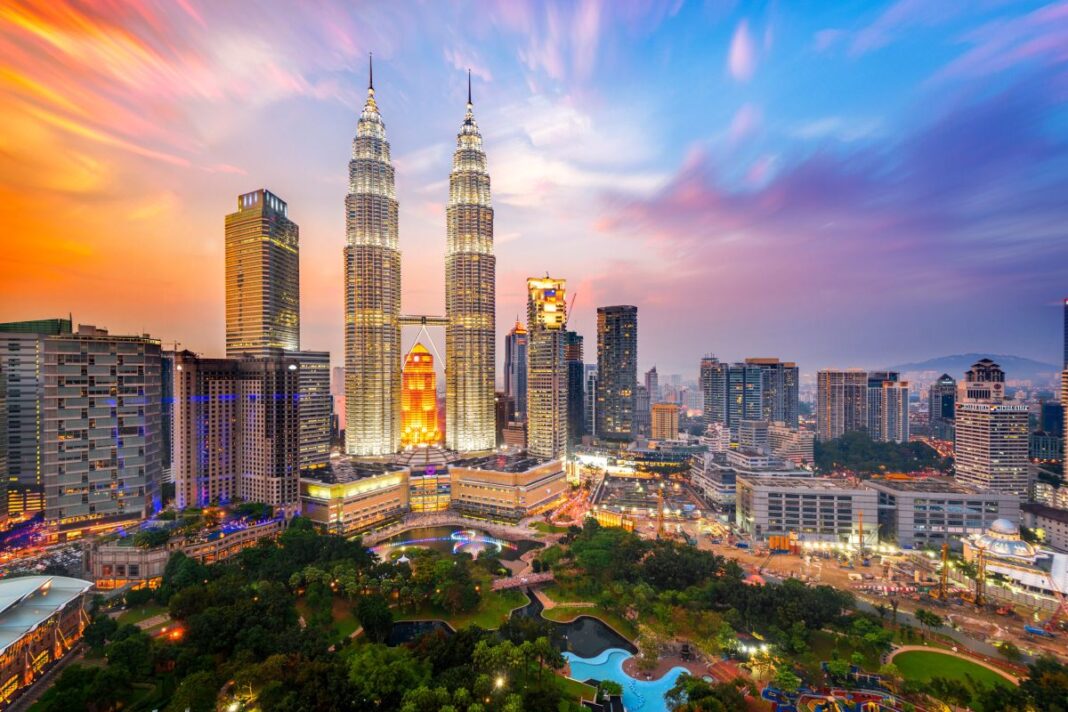

Asia is preparing for two major holiday travel peaks within five weeks, creating contrasting opportunities for international visitors. On 1 January 2027, Kuala Lumpur, Bangkok and Manila will welcome the Gregorian New Year with countdown celebrations and festive entertainment. Meanwhile, Lunar New Year falls on 6 February 2027, bringing traditional festivities and domestic travel pressures across Hong Kong, Taipei and Hanoi. Taiwan and Vietnam have confirmed seven-day government holiday periods from 4–10 February. Hong Kong has separately gazetted its Lunar New Year holidays. Travellers must therefore distinguish celebration dates from museum closures, business schedules and transport arrangements before booking.
Two New Year Calendars Create Different Travel Pressures
The 2026–27 festive season presents an unusual planning opportunity for Asia’s tourism industry. Gregorian New Year falls on Friday, 1 January, creating a long weekend for visitors exploring Southeast Asian capitals. Lunar New Year arrives on Saturday, 6 February, extending the festive travel season into another major booking period.
Advertisement
Advertisement
However, the two occasions serve different visitor interests. Gregorian celebrations attract travellers seeking fireworks, nightlife, entertainment and waterfront experiences. Lunar New Year places greater emphasis on family reunions, traditional markets, religious customs and festive food. Consequently, a destination’s busiest celebration day may not coincide with its best sightseeing conditions.
The lunar date also marks the beginning of the Year of the Fire Goat in the Chinese zodiac. Nevertheless, cultural practices differ across the region. Hong Kong and Taiwan observe Chinese New Year traditions, while Vietnam celebrates Tết with its own customs and family-centred rituals.
The important dates for travellers are:
| Date | Destination or event | Travel significance |
|---|---|---|
| 27–31 December 2026 | Bangkok | Amazing Thailand Countdown at ICONSIAM |
| 31 December 2026 | Kuala Lumpur, Bangkok, Manila | Gregorian New Year’s Eve |
| 1 January 2027 | All three January destinations | Gregorian New Year’s Day |
| 4–10 February 2027 | Taiwan | Official seven-day government holiday |
| 4–10 February 2027 | Vietnam | Official seven-day public-sector Tet break |
| 6 February 2027 | Hong Kong, Taiwan, Vietnam | Lunar New Year’s Day |
| 6–8 February 2027 | Hong Kong | International Chinese New Year Night Parade and festive performances |
| 8–9 February 2027 | Hong Kong | Third and fourth Lunar New Year public holidays |
| 20 February 2027 | Lunar calendar | Fifteenth day of the first lunar month |
Bangkok’s Riverfront Countdown Has a Confirmed Programme
Bangkok currently offers the clearest confirmed large-scale countdown programme among the three Southeast Asian destinations. The Tourism Authority of Thailand and ICONSIAM have announced Amazing Thailand Countdown 2027, scheduled for 27–31 December 2026 at River Park, ICONSIAM, beside the Chao Phraya River.
Advertisement
Advertisement
The five-day celebration will feature more than 200 Thai and international performers. Its principal attraction is a 1,400-metre environmentally oriented fireworks display, incorporating fireworks made using Thai sticky rice. Organisers plan to synchronise the spectacle with lighting, pyrotechnics and music above the river.
The event has several attractions for international visitors beyond the midnight fireworks. ICONSIAM’s programme includes Thai cultural performances, entertainment and regional food experiences. The organisers have also announced South Korean group TREASURE as a headline international attraction.
Advertisement
Advertisement
Amazing Thailand Countdown 2027 – Official Event Details
| Event detail | Confirmed information |
|---|---|
| Event name | Amazing Thailand Countdown 2027 |
| Venue | River Park, ICONSIAM, Bangkok |
| Dates | 27–31 December 2026 |
| Celebration duration | Five days |
| Fireworks display | 1,400 metres |
| Performers | More than 200 |
| Special feature | Fireworks incorporating Thai sticky rice |
| International performer | TREASURE |
ICONSIAM has also published information about free standing admission and limited-access viewing arrangements. Its event information lists 10,800 free walk-in standing places across the five-day programme, subject to daily allocations and entry conditions. Visitors should check the organiser’s latest access instructions before travelling.
Bangkok’s wider tourism economy adds commercial significance. Thailand welcomed 32,974,321 international visitors in 2025, generating approximately 2.70 trillion baht in total tourism revenue. International visitor revenue accounted for around 1.54 trillion baht. However, foreign arrivals declined by 7.23% from 2024, demonstrating that major events remain important within Thailand’s wider tourism recovery strategy.
Travellers should consider accommodation near their chosen viewing area. ICONSIAM is accessible through the Gold Line and river transport connections, but event-day crowd management may affect transfers. Visitors should check official BTS, MRT and river-boat notices rather than assume normal operating hours.
Advertisement
Advertisement
Kuala Lumpur’s Skyline Offers a Citywide Celebration
Kuala Lumpur presents a different countdown experience through illuminated skyscrapers, shopping districts, rooftop venues and public gathering spaces. KLCC, the Petronas Twin Towers precinct and Bukit Bintang remain important areas for visitors seeking the capital’s year-end atmosphere.
The city’s advantage lies in the proximity of major attractions, hotels, restaurants and shopping centres. Visitors can combine daytime sightseeing with evening entertainment, although road congestion can complicate short journeys around major gathering points. Choosing a hotel within walking distance of the preferred celebration district can therefore save considerable time.
Malaysia’s tourism figures reveal the scale of the visitor economy. The Department of Statistics Malaysia recorded 42.2 million visitor arrivals in 2025, comprising 26.6 million tourists and 15.6 million excursionists. The latter category includes same-day visitors, who do not necessarily generate the same accommodation demand as overnight tourists.
This distinction matters when interpreting the country’s tourism performance. Malaysia’s strong cross-border visitor movement contributes substantially to total arrivals, while Kuala Lumpur’s hotels, restaurants and attractions depend on a combination of international and domestic demand.
What visitors should prioritise in Kuala Lumpur:
- KLCC and the Petronas Twin Towers precinct for the city’s iconic skyline.
- Bukit Bintang for shopping, restaurants and nightlife.
- Rooftop venues for elevated views of the illuminated capital.
- Central accommodation for easier access to major sightseeing districts.
- Rail connections to reduce dependence on taxis during countdown congestion.
A comprehensive schedule covering every Kuala Lumpur performance, fireworks display and road restriction requires confirmation from individual organisers and authorities. Visitors should distinguish established celebration locations from officially announced 2026–27 events.
Advertisement
Advertisement
Manila’s Media Noche Brings a Strong Local Dimension
Manila offers a more distributed celebration experience, with entertainment districts and waterfront locations attracting different visitor groups. Bonifacio Global City, Makati, Eastwood City and Manila Bay provide useful starting points for exploring the metropolitan area’s year-end atmosphere.
The Filipino tradition of Media Noche gives the occasion an important domestic dimension. Families gather for a midnight meal, often featuring noodles, round fruits and other dishes associated with prosperity and good fortune. Consequently, the New Year experience extends beyond commercial countdown stages into residential communities and restaurants.
The Philippines recorded 6,484,060 inbound visitor arrivals in 2025, compared with 6,435,438 in 2024. December accounted for 702,985 arrivals, the strongest monthly total in the published annual series. However, these national figures cannot establish demand specifically for Manila’s countdown events.
Visitors should select accommodation near their preferred celebration district. Moving between distant entertainment centres shortly before midnight can become difficult because of traffic restrictions and large pedestrian crowds.
Practical considerations for Manila visitors include:
- Select one main countdown location instead of attempting several distant celebrations.
- Confirm road restrictions and local transport arrangements.
- Reserve festive dining experiences before New Year’s Eve.
- Allow additional time for airport and hotel transfers.
- Check individual event announcements rather than assuming every entertainment district has a confirmed fireworks programme.
A comprehensive official programme covering every Manila countdown venue and its transport arrangements requires further confirmation.
Advertisement
Advertisement
Hong Kong Schedules Its Lunar New Year Parade
Hong Kong offers one of the strongest documented Lunar New Year event propositions for February 2027. The Hong Kong Tourism Board has listed its International Chinese New Year Night Parade for 6 February 2027, coinciding with the first day of the lunar year.
The parade’s Tsim Sha Tsui setting provides convenient access to Victoria Harbour, the waterfront promenade and major hotel districts. International performers, decorated floats and cultural presentations form the attraction’s central appeal. Visitors can also explore festive shopping areas and temples during the surrounding holiday period.
Hong Kong’s February 2027 event calendar
| Date | Event or holiday |
|---|---|
| 6 February | Lunar New Year’s Day and night parade |
| 7 February | Second day of Lunar New Year; Sunday |
| 8 February | Third day of Lunar New Year; public holiday |
| 9 February | Fourth day of Lunar New Year; substituted public holiday |
One important distinction concerns the harbour fireworks. Hong Kong’s New Year traditions often include large-scale fireworks, but the official 2027 event documentation reviewed confirms the night parade and subsequent festive performances, not a final Lunar New Year fireworks programme. Travellers should await a separate announcement before making non-refundable bookings around an assumed fireworks display.
The city’s tourism performance adds commercial significance. Hong Kong received 49.9 million visitors in 2025, an increase of 12% from 2024. Mainland Chinese visitors contributed approximately 37.8 million arrivals, while other markets accounted for around 12.1 million. Overnight visitors recorded an average stay of 3.1 nights.
For visitors, Tsim Sha Tsui offers convenient access to the announced parade. However, the district may experience pedestrian restrictions and temporary road closures. Hotels should confirm their event-day access arrangements, particularly for guests arriving by taxi.
Advertisement
Advertisement
Taipei’s Seven-Day Break Reshapes Sightseeing
Taipei offers a different Lunar New Year experience through traditional markets, temples, festive food and cultural neighbourhoods. Dihua Street, particularly the historic Dadaocheng district, becomes an important destination for pre-holiday shopping, dried goods, traditional snacks and seasonal decorations.
Long before Lunar New Year’s Day, local markets become gathering places. Visitors can explore festive food stalls, purchase traditional gifts and observe preparations involving red decorations and symbolic foods. Longshan Temple also provides an opportunity to understand the religious customs associated with the celebration.
Taiwan’s government has officially scheduled a seven-day holiday from 4–10 February 2027. Lunar New Year’s Eve falls on 5 February, while the first day falls on 6 February. Because 6 and 7 February fall on the weekend, substitute holidays extend the government break through 10 February.
Taipei’s principal pre-holiday experiences include:
| Attraction or district | Visitor experience |
|---|---|
| Dihua Street | Traditional food shopping and festive decorations |
| Dadaocheng | Historic streets, traditional businesses and local food |
| Longshan Temple | Religious customs and traditional architecture |
| Taipei night markets | Street food and local shopping, subject to holiday hours |
| National Palace Museum | Major cultural attraction requiring individual opening-hour verification |
Taiwan welcomed 8,574,574 inbound visitors in 2025, according to its Tourism Administration. The average length of stay was 6.95 nights, while average daily spending reached NT$5,770 per visitor. These figures demonstrate the importance of longer cultural itineraries within the island’s tourism market.
The Lunar New Year celebration should not be confused with the later Lantern Festival. The fifteenth day of the first lunar month falls on 20 February 2027. The Pingxi and Shifen lantern traditions offer another potential cultural travel opportunity after the main government holiday. However, the precise 2027 event programme and operating dates require confirmation.
Advertisement
Advertisement
Hanoi’s Tet Holiday Demands a Different Strategy
Hanoi offers perhaps the most distinctive traditional experience among the three Lunar New Year destinations. Vietnam’s Tết Nguyên Đán, commonly called Tet, marks the beginning of the lunar year and places considerable emphasis on family reunions, ancestral remembrance and welcoming good fortune.
The capital develops a distinctive atmosphere before the holiday. Flower markets, peach blossoms, kumquat trees, decorative displays and traditional food preparations become prominent across the city. Visitors can explore the Old Quarter, local markets and temple precincts to understand how residents prepare for the celebrations.
Vietnam’s government has confirmed a seven-day public-sector Tet holiday from 4–10 February 2027. However, private-sector employers can choose among three permitted holiday arrangements, depending on operational circumstances. Therefore, visitors should not assume that every restaurant, shop or private attraction will follow the government’s seven-day schedule.
What visitors can experience before Tet
- Peach blossom markets: Traditional decorations and seasonal shopping.
- Kumquat displays: Festive plants associated with prosperity and good fortune.
- Old Quarter: Traditional food, markets and neighbourhood preparations.
- Temple visits: Religious customs and ancestral traditions.
- Tet food: Traditional dishes and family celebrations.
This is particularly important for international visitors. Independent restaurants, family-operated cafés, neighbourhood shops and certain tourist services may close temporarily or reduce their operating hours. Major hotels and established tourist businesses may remain available, but visitors should confirm restaurant reservations and airport transfers before arrival.
Vietnam welcomed nearly 21.2 million international visitors in 2025, an increase of 20.4% over 2024. Air travel accounted for more than 17.8 million arrivals, representing 84.3% of the total. The country’s international visitor volume reached a record level, strengthening its position within Southeast Asia’s tourism market.
Advertisement
Advertisement
Tet also creates substantial domestic movement as residents return to their home provinces. Consequently, demand for domestic flights, intercity buses and railway services can become intense around the reunion period. Visitors planning journeys between Hanoi, Ninh Binh and Ha Long should secure transport before the main holiday.
Six Tourism Markets Reveal Different Demand Patterns
The six destinations recorded substantial visitor activity during 2025. However, their published statistics use different definitions, including international arrivals, total visitors and same-day excursionists. The figures therefore provide market context rather than a direct ranking of overnight tourism demand.
2025 tourism performance across the six destinations
| Destination | 2025 visitor figure | Statistical category |
|---|---|---|
| Malaysia | 42.20 million | Tourists and same-day excursionists |
| Thailand | 32.97 million | International visitors |
| Hong Kong | 49.90 million | Total visitor arrivals |
| Vietnam | 21.20 million | International visitors |
| Taiwan | 8.57 million | Inbound visitors |
| Philippines | 6.48 million | Inbound visitor arrivals |
These statistics reveal different tourism opportunities. Malaysia’s substantial excursionist market reflects regional cross-border movement, while Hong Kong benefits from a large mainland Chinese visitor base. Vietnam’s strong international arrival growth demonstrates its expanding position within Southeast Asian tourism.
For hotels, airlines and destination management companies, the two holiday peaks require different commercial strategies. Countdown destinations can benefit from entertainment-led bookings and short stays. Lunar New Year destinations can attract cultural itineraries, festive shopping and domestic travel-related spending. However, staffing availability and business closures can influence the actual visitor experience.
When Attractions Close and Transport Gets Busy
The biggest planning mistake would be to interpret national holidays as universal shutdown periods. Public offices, museums, independent restaurants, shopping centres and transport operators follow different operating arrangements.
Advertisement
Advertisement
The following calendar identifies the main disruption risks rather than claiming that every attraction will close.
Holiday disruption guide for February and January 2027
| Destination | Main disruption window | What visitors should check |
|---|---|---|
| Kuala Lumpur | 31 December–1 January | Countdown road restrictions and late-night rail services |
| Bangkok | 27–31 December | ICONSIAM entry arrangements and river transport |
| Manila | 31 December–1 January | District-level road closures and airport transfers |
| Hong Kong | 6–9 February | Museum schedules, parade access and business hours |
| Taipei | 4–10 February | Museum closures, restaurant availability and intercity rail bookings |
| Hanoi | 4–10 February | Family-business closures, domestic transport and hotel dining |
Three distinctions deserve particular attention:
- Taipei: Government offices follow the seven-day holiday, but the MRT and other transport services do not automatically shut for the entire period. Museums publish individual holiday schedules.
- Hanoi: The public-sector break does not impose identical closure dates on every private business. Employers have different permitted arrangements.
- Hong Kong: The gazetted holidays run across 6–9 February, but commercial attractions, public transport and restaurants maintain separate operating schedules.
For visitors, the safest approach is to check official museum, transport and attraction websites before purchasing tickets. Some institutions publish special holiday hours closer to the actual dates.
Weather and Accommodation Influence Arrival Windows
December and January generally offer different conditions from February across the six destinations. Bangkok and Kuala Lumpur remain warm and humid, while Manila can experience seasonal rainfall. Hong Kong and Taipei can be considerably cooler during February, whereas Hanoi’s winter conditions often bring cooler temperatures and occasional drizzle.
Travellers should consider these differences when selecting accommodation and planning outdoor activities. Rooftop celebrations, harbourfront viewing areas and walking tours require different clothing and weather preparations.
Advertisement
Advertisement
Suggested arrival strategies for each city
| Destination | Suggested arrival | Main advantage |
|---|---|---|
| Kuala Lumpur | 29–30 December | Time for sightseeing before the countdown |
| Bangkok | 27–29 December | Access to the extended ICONSIAM programme |
| Manila | 29–30 December | Opportunity to explore celebration districts |
| Hong Kong | 3–4 February | Pre-festival exploration before the parade |
| Taipei | 1–3 February | Traditional market visits before the holiday |
| Hanoi | 1–3 February | Tet preparations and seasonal flower markets |
These are itinerary suggestions, not verified low-price or low-crowd dates. Hotel rates, flight availability and transport capacity require live comparisons before booking. Travellers prioritising uninterrupted sightseeing should also consider visiting after the main holiday closures.
For Taipei, 11–19 February provides a potential post-holiday sightseeing window before the fifteenth lunar day. However, visitors should check the precise dates of individual lantern events. In Hanoi, attractions and private businesses may reopen at different times after 10 February.
Practical Measures to Avoid Holiday Disruption
Travellers can improve their experience by planning around the local operating calendar rather than relying exclusively on festival announcements.
- Choose one countdown venue: Avoid attempting multiple distant celebrations on New Year’s Eve.
- Reserve festive dining: Confirm restaurant availability before travelling to Taipei or Hanoi.
- Book domestic transport: Secure Vietnamese railway, bus and flight connections well ahead.
- Check museum schedules: Verify opening hours before purchasing attraction tickets.
- Select accessible accommodation: Prioritise walking distance and reliable public transport.
- Confirm hotel facilities: Ask whether restaurants, room service and airport transfers will operate throughout Tet.
- Monitor official notices: Check transport operators for additional services and temporary restrictions.
Six Cities Offer Two Very Different Holidays
The 2027 festive calendar gives international travellers six distinctive Asian city experiences. Bangkok has a confirmed five-day countdown programme, while Hong Kong has listed its Lunar New Year parade for 6 February. Taipei and Hanoi offer more traditional experiences, although their extended holiday arrangements require greater attention to transport and attraction availability.
The Asia New Year travel 2027 opportunity is therefore not simply about attending fireworks or festivals. It is about choosing the right arrival window, understanding local customs and avoiding unnecessary disruption. For tourism businesses, the two peaks also offer opportunities to develop better-timed cultural packages, accommodation strategies and destination experiences. Travellers who plan around public holidays and individual business schedules can experience the celebrations without sacrificing their entire sightseeing itinerary.