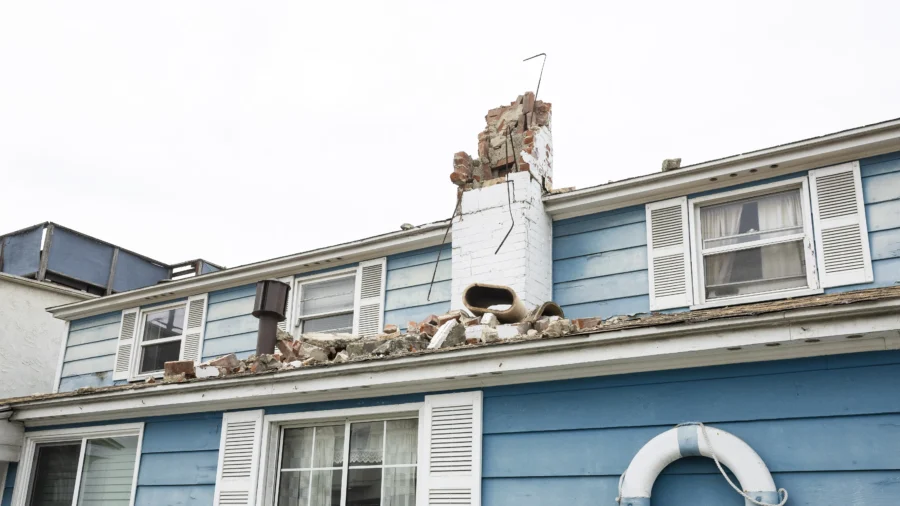
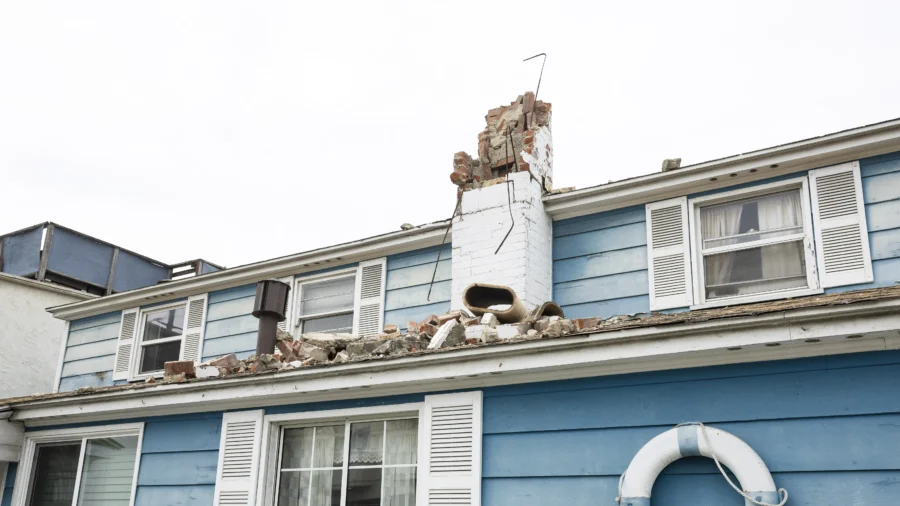
The quake was centered three miles southwest of Manhattan Beach, an upscale coastal city southwest of downtown Los Angeles, according to an update from the U.S. Geological Survey (USGS). It was followed by dozens of aftershocks. The quake caused the press box at the historic Rose Bowl stadium in Pasadena to sway ahead of the rivalry football game between the University of Southern California and the University of California, Los Angeles.
Seismologist Lucy Jones, a former U.S. Geological Survey official and current research associate with Caltech’s Seismological Laboratory, said on Saturday evening that at least 83 aftershocks struck the region following the quake.
In that “robust aftershock sequence,” two aftershocks were above magnitude 4 and another eight were recorded to be between magnitude 3 and 4, Jones said in a video posted on her social media page.
The seismology lab said in a post on X that a 4.5-magnitude quake was recorded in that sequence, but it noted that “magnitudes can change as events are reviewed and more data becomes available.”
“More earthquakes are possible and expected in the coming days,” it said. “Most are expected to be smaller, but stronger events can occur and may be damaging, especially close to the epicenter.”
The Los Angeles Fire Department briefly went into earthquake mode on Saturday, deploying personnel from 106 neighborhood stations to examine infrastructure for damage. It returned to normal operations after determining that no damage or injuries were reported in the city.
California is crisscrossed by faults, and temblors are commonplace, though many are too small to be felt. Still, the quake provided a holiday weekend jolt for people in densely populated Southern California as it was the largest in the Los Angeles area since 2014.
Los Angeles Mayor Karen Bass called on city residents to be cautions, warning of possible aftershocks.
“Following the initial earthquake this morning, there were no reports of major damage to critical infrastructure,” the mayor said in a statement posted to social media.
“There are a few broken windows and loose ceiling tiles” at the Los Angeles International Airport on Saturday, “but flight operations have not been impacted.”
Noting that aftershocks have been reported with more possibly coming, Bass wrote: “Today’s seismic activity serves as an important reminder that earthquakes can happen at any time in California. Angelenos should take steps to prepare. If you feel shaking, remember to Drop, Cover, and Hold On.”
Officials in Manhattan Beach urged people to be prepared for additional aftershocks, which can occur minutes, hours, or sometimes days after the initial shake.
The U.S. West Coast is located along the Pacific Ocean’s “Ring of Fire,” a zone that includes frequent earthquakes and volcanic eruptions, according to a USGS map.
The agency says the area is where the Pacific tectonic plate meets several tectonic plates, and is the “most seismically and volcanically active zone in the world.”
The Associated Press contributed to this report.