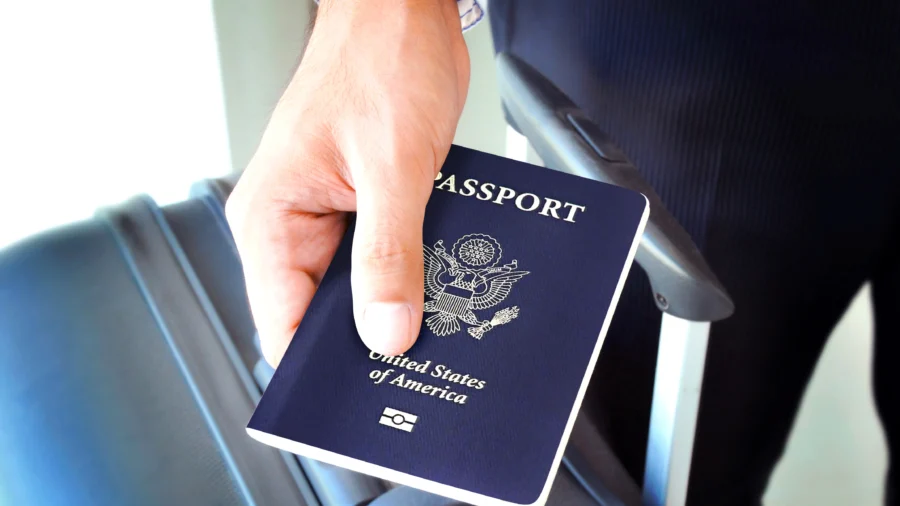
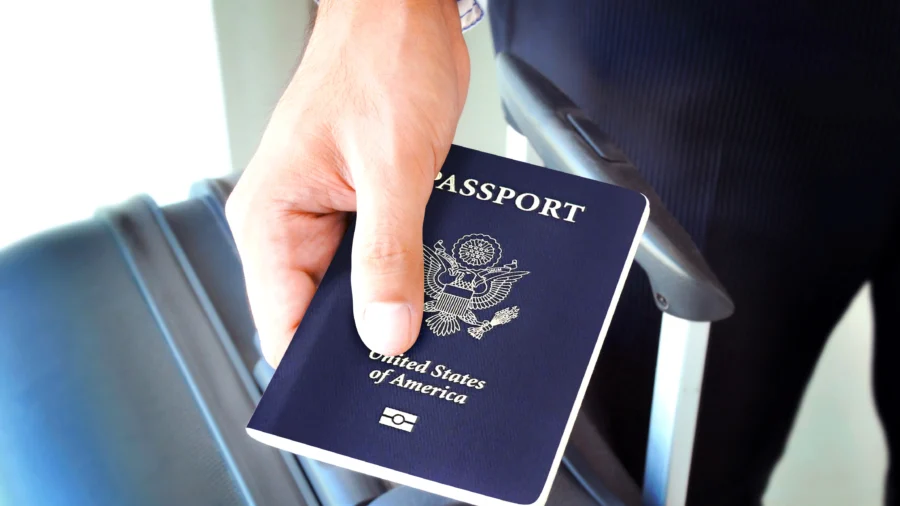
American travelers heading abroad this year face a quickly shifting landscape of digital border requirements, with the United Kingdom and Europe rolling out new electronic authorization and biometric systems that catch many visitors off guard.
UK Now Requires ETA for All American Visitors
As of Feb. 25, all U.S. citizens traveling to or transiting through the United Kingdom must obtain an Electronic Travel Authorization (ETA) before departure. The requirement applies to tourism, family visits, business meetings, and short-term study stays of up to six months, according to information from the U.S. embassy and consulates in the United Kingdom.
Europe Rolls Out Biometric Border System
American travelers entering Europe now face a new layer of screening as well. The European Union’s Entry/Exit System (EES) became fully operational on April 10, replacing traditional passport stamps with digital biometric registration across 29 Schengen Area countries, according to the European Commission’s Directorate‑General for Migration and Home Affairs.
At their first border crossing, U.S. visitors must provide four fingerprints, a facial photograph, and personal data from their travel document. The EU’s Directorate-General for Migration and Home Affairs reports that since the system launched in October 2025, over 45 million border crossings have been registered and more than 24,000 people have been refused entry for reasons including expired documents and insufficient justification of travel
Australia’s ETA Already in Effect
Australia has long required U.S. passport holders to obtain an Electronic Travel Authority (ETA) before arrival. The ETA subclass 601 costs AUD $20 ($13.86), allows multiple entries, and permits stays of up to three months per visit over a 12-month validity period. Applications are made exclusively through the Australian ETA app or the Department of Home Affairs website at immi.homeaffairs.gov.au, and approvals typically come within minutes, according to visa guidance on the Australian Embassy in the United States website.
Australian authorities warn travelers against third-party websites charging inflated fees, noting that the only legitimate platforms are the official ETA app and government-approved channels. Those who apply through unofficial sites risk having their ETA refused or being denied boarding entirely.
New Zealand Requires NZeTA for American Visitors
U.S. passport holders traveling to New Zealand must also obtain an electronic pre-authorization before departure. The New Zealand Electronic Travel Authority (NZeTA) is mandatory for all visa-waiver air, cruise, and cargo passengers—including Americans—and has been in effect since August 2019. The NZeTA is valid for two years and allows multiple visits of up to three months per stay.
Canada: No Pre-Authorization Required for US Citizens
Unlike the other countries on this list, Canada does not require U.S. citizens or U.S. lawful permanent residents to obtain any form of electronic travel authorization (ETA) before arrival. American passport holders may enter Canada by air, land, or sea without an ETA and are generally permitted to stay for up to six months, subject to a border officer’s determination upon entry, according to the Government of Canada.
Canada’s ETA program—which costs CAN $7 ($5) and is required for visa-exempt travelers from other countries—does not apply to Americans. U.S. citizens must, however, carry a valid passport or other accepted identity document when crossing the Canadian border. The Canada Border Services Agency advises all travelers to verify their specific entry requirements, particularly for those with dual citizenship or prior immigration issues, before departure.
What Travelers Should Do
Officials across all jurisdictions advise travelers to apply for required authorizations well in advance—ideally at least 72 hours before departure—and to use only official government platforms. Each traveling individual, including infants and children, must have their own separate authorization.
The changes reflect a global push toward digitized border management, with governments citing enhanced national security, reduced identity fraud, and more accurate tracking of visitor stays as primary benefits.