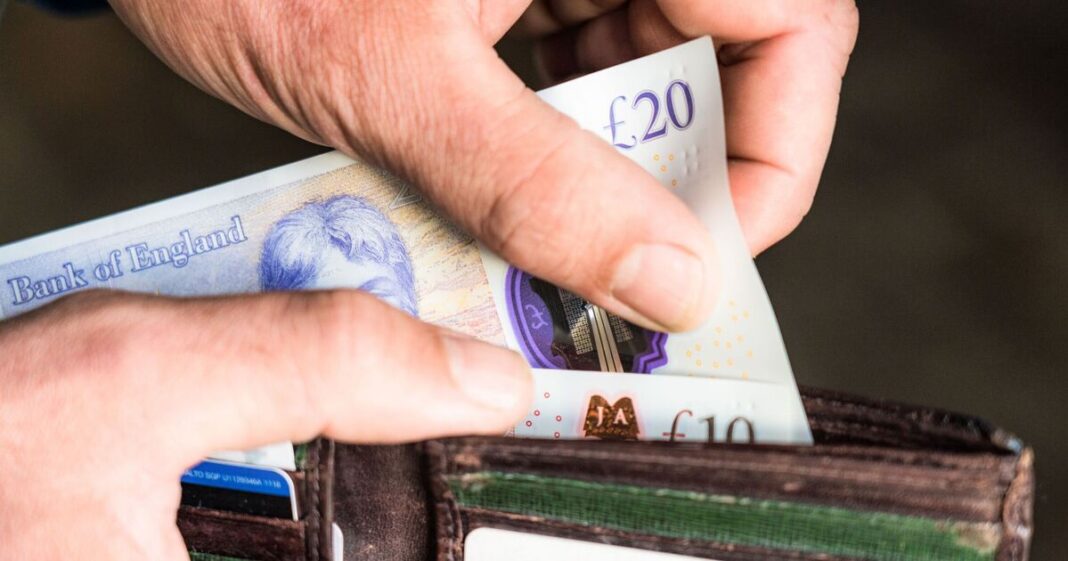

Workers earning £40,000 right now are in for a HMRC shock (Image: Getty)
Anyone earning £40,000 or more right now could be slapped with higher tax bills by the end of the decade.
New figures revealed by the Express today show that more than 2M taxpayers have been bumped into a higher tax band in the past two years thanks to the ongoing freeze of the Income Tax thresholds and the tax-free Personal Allowance.
Chancellor Rachel Reeves has been warned that the ‘fiscal drag’ from holding the thresholds in place will turn a current £40,000 earner – roughly the median wage in the UK – into a higher rate taxpayer by 2030, paying out 40% tax on some of their income.
As of April 2025, the median gross annual earnings for full-time employees in the UK is £39,039, according to data from the Office of National Statistics.
But by 2030, those earning just over the median wage in 2026 will end up paying tax at the Higher Income tax bracket of 40%, thanks to inflation pushing up wages every year.
Read more: Tax-free Personal Allowance boost to £13k for households with HMRC ‘backdating’
Read more: State pensioners under 76 handed bumper £1,930.40 Friday payments in May
The Higher Income tax band kicks in at £50,270. As well as taxing workers at 40% of every £1 earned above that figure, it also cuts your Personal Savings Allowance to £500.
David Little of analyst firm Evelyn Partners explained: “In real terms, everyday middle earners will be higher rate taxpayers by 2030, as opposed to the situation a decade or two ago when this band was confined to individuals regarded as ‘high earners’. Anyone considered in real terms a ‘high earner’ will by 2030 be in or staring at the top rate of tax, a charge that used to be reserved for the very highest paid elite.”
Maike Currie, vice-president of personal finance at PensionBee, said: “Freezing thresholds until the 2030/31 tax year is the biggest stealth tax in the system – quietly pulling teachers, nurses and mid-level professionals into the 40% tax bracket.
“Since the higher-rate threshold was frozen, inflation and wage growth have done the heavy lifting for the Treasury.
“The tax system hasn’t become more complicated overnight, but it has become less forgiving. Small income changes can disproportionately affect your take-home pay, making planning essential.
“Pensions, Isas and salary sacrifice are vital tools for managing tax and avoiding a drift into higher bands – for many, these will be the difference between drifting into a higher tax bracket and consciously deciding how and when income is taxed.”
Responding to the figures, a Treasury spokesperson said: “More people are paying higher rates of tax because thresholds have been frozen while wages rise – a policy we inherited.
“At the last budget we acted to ease pressures on working people by increasing the national minimum wage, taking £150 off energy bills, and freezing prescription charges, fuel duty and rail fares.
“And we are keeping our promise not to raise the basic, higher or additional rates of income tax, employee national insurance or VAT.”