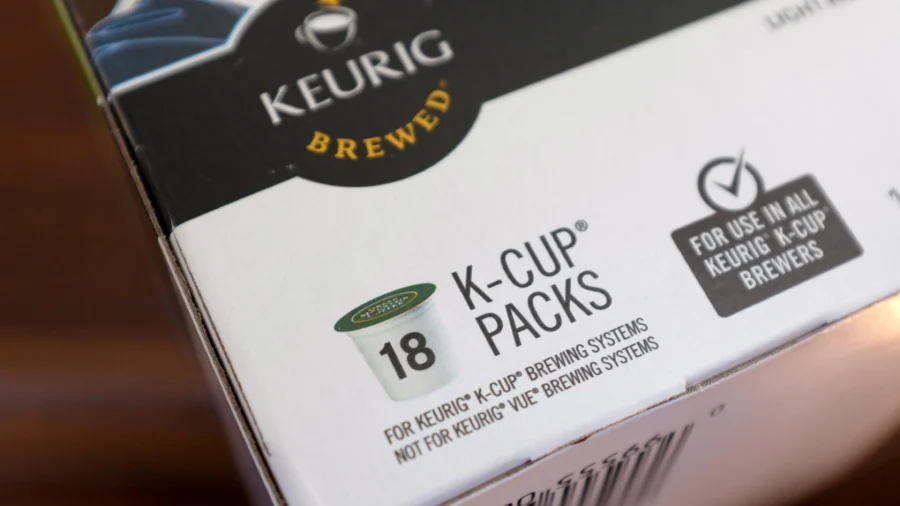
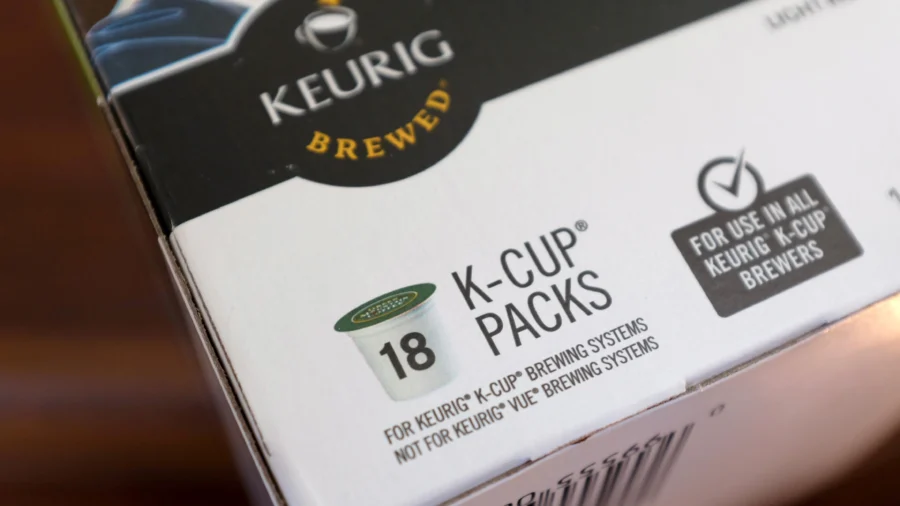
The U.S. Food and Drug Administration (FDA) assigned a risk designation to more than 80,000 McCafe K-Cup Pods that were recalled in three states a month ago.
“Product is labeled as decaf, but might contain caffeine,” the FDA said.
They were originally recalled on Dec. 6, 2025, and distributed in California, Indiana, and Nevada by Keurig Green Mountain of Burlington, Massachusetts.
Since then, the FDA assigned its second-highest risk alert to the product.
“As a Class 2 recall, this means the risk is temporary or medically reversible adverse health consequences,” registered dietitian nutritionist Tiffany Bruno told NTD.
A Class 1 recall is defined as having a reasonable probability that the use of or exposure to will cause serious adverse health consequences or death, while a Class 3 event involves products that violate regulations but are unlikely to cause health problems, such as minor labeling errors.
The recalled McCafe Premium Roast Decaf Coffee K-Cup Pods are packaged in 960 84-count cartons and have UPC 043000073438 stamped on them with a Nov. 17 Best By date.
K-Cup pods are encasements containing coffee, decaffeinated coffee, tea, or hot cocoa that are designed for processing in a Keurig brewing machine.
A Keurig brewing machine is similar to a coffee machine except that the Keurig machine prepares single servings using pods of pre-measured, pre-sealed, and pre-packaged coffee grains or tea leaves and other beverages.
McDonald’s USA and Keurig Dr Pepper announced a long-term master licensing and distribution agreement for McCafé packaged coffee in 2019.
At the time, McDonald’s said it was prioritizing making McCafé a go-to coffee brand for its customers and that it was confident this move would strengthen McCafé’s impact in retail.
The partnership resulted in the exclusive manufacturer of McCafé K-Cup pods in the United States by Keurig.
“Clear coat seal on the lid of the single-serve cups was not applied consistently to all cups in the production run,” the FDA said. “This resulted in the food-safe ink printing on some cups to run when exposed to high temperature, high-pressure water used in a K-Cup machine.”