
TL;DR: Robert Ely, a British car enthusiast who documents restoration and fabrication projects on YouTube, built a road-legal, single-seat sports car in his shed using readily available motorcycle and automotive parts. The project demonstrates how a lightweight design and off-the-shelf components can provide an alternative to the increasingly complex cars on the market.
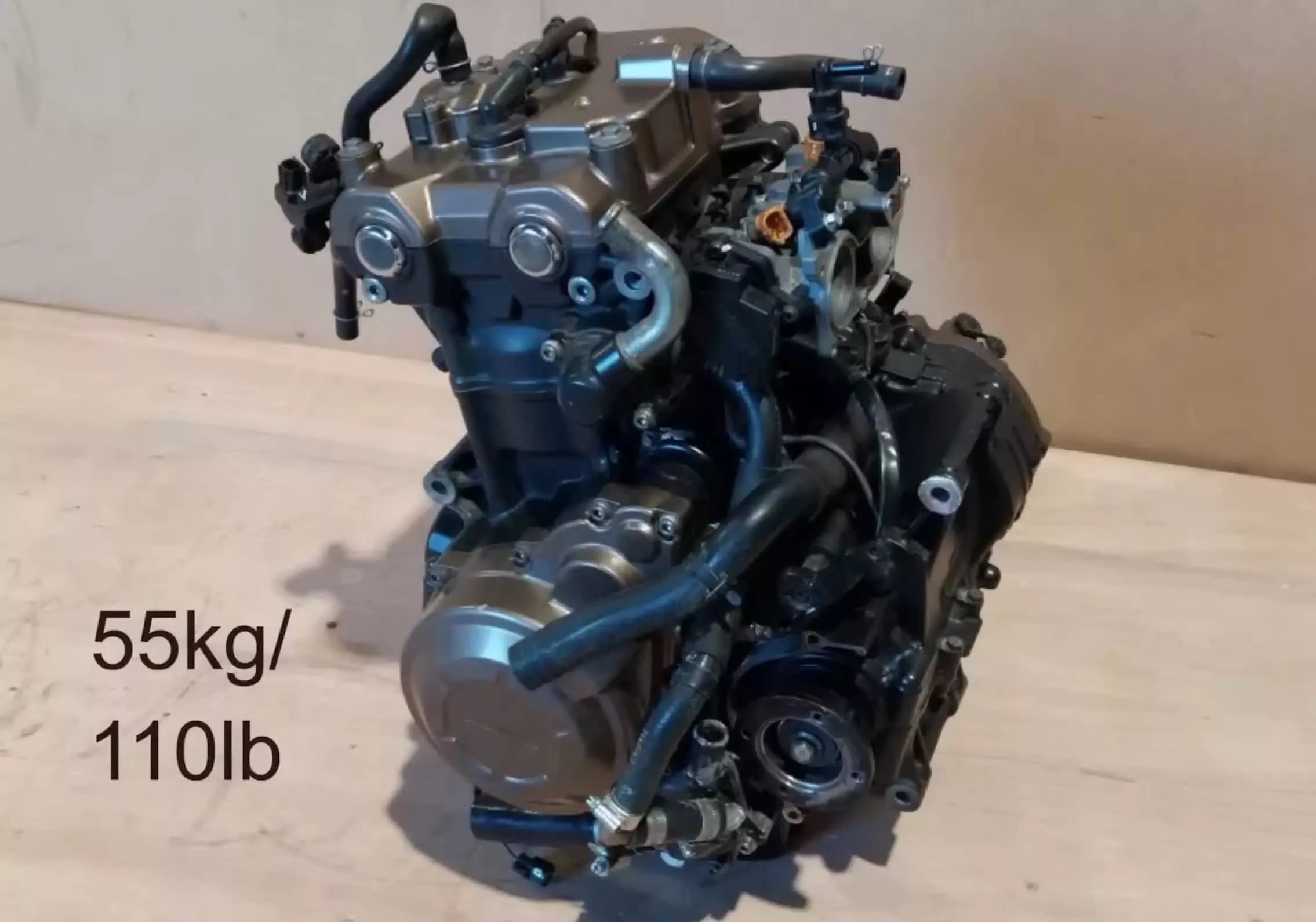
Called the Gasolini AR1, the car is powered by a 2017 Honda CBR500 twin-cylinder motorcycle engine and rides on wheels taken from a Ford Ka hatchback. Ely estimates the project cost about $7,000. He designed it around low weight, modest running costs, and a parts list that other enthusiasts could realistically source.
The AR1 is not intended to be a high-speed track car. Its Honda engine produces 47 horsepower, enough to propel the vehicle to about 72 mph. Ely said the car can achieve 41 mpg. Its low weight and compact size are central to its performance, giving it quick acceleration and sharp handling without requiring a large engine.
“I kept the top speed low as I wanted this to be a sort of sprint version that is as fun as possible to drive at legal speeds and to be able to achieve 50 miles per gallon under hard driving,” Ely said.
The engine, which weighs about 110 pounds after being stripped down, sits below the driver’s seat and is paired with a six-speed gearbox. The chassis is covered in fiberglass panels, and Ely avoided compound curves so the body could be fabricated without more elaborate shaping techniques. The exterior panels can be removed with basic tools, providing direct access to the car’s mechanical components.
Ely’s choice of off-the-shelf and salvage-yard parts is also part of the car’s long-term appeal. Rather than relying on bespoke components, the AR1 uses hardware that can be replaced or adapted as needed. Ely said this could make the vehicle easier to keep on the road and less vulnerable to failures involving specialized parts.
The design is a mix of old and new. Its narrow, open, single-seat layout recalls early European racing cars, while its angular bodywork has the look of a low-budget science-fiction vehicle. Two openings in the front nose feed air to the radiator. Along with the round headlights, they give the car what Ely called “a little bit of character.”
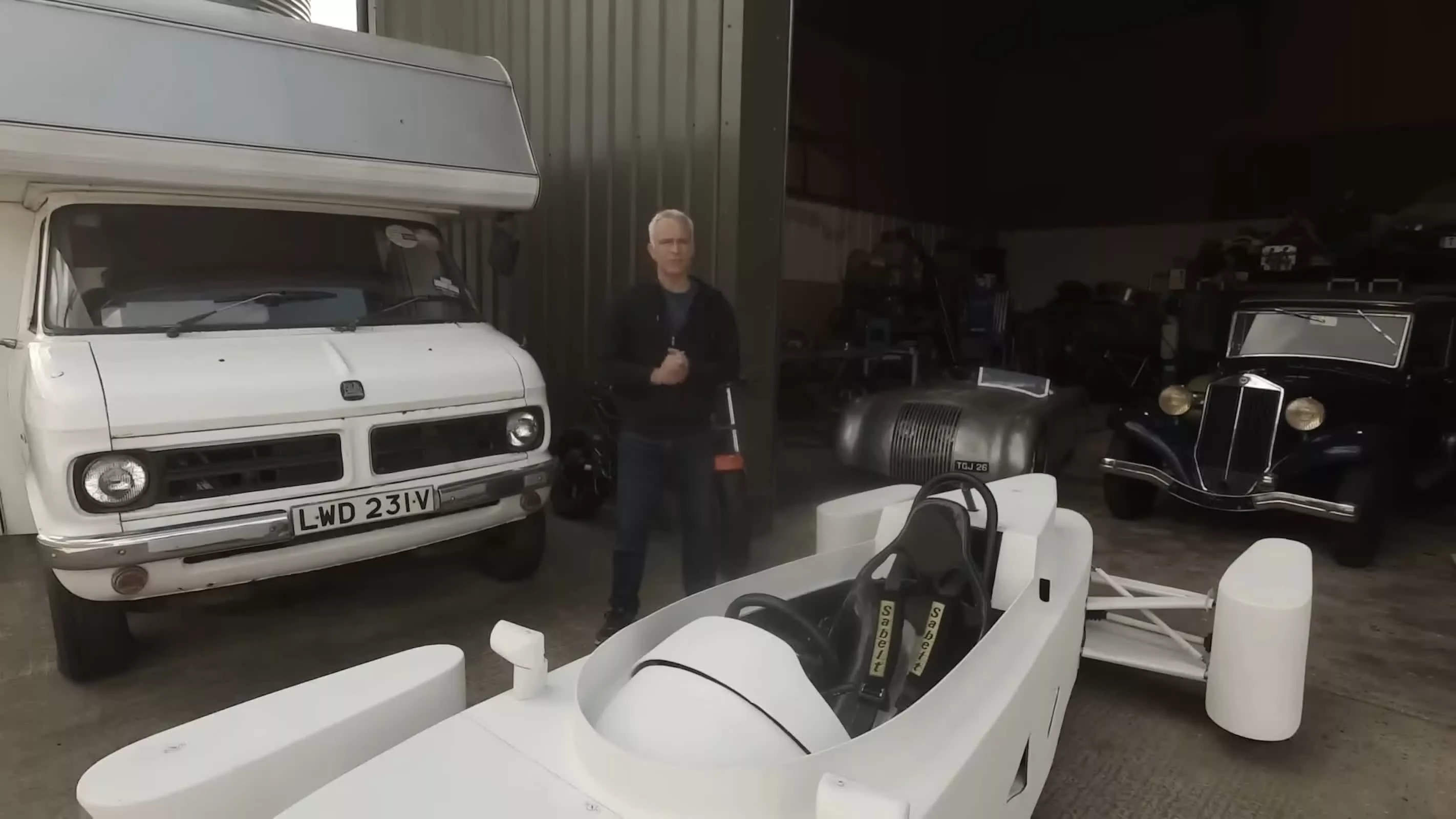
Ely took the AR1 to a local track, where he ran it alongside production cars. It lacks the horsepower and top speed of many modern sports cars, but its light weight and homemade suspension give it a more direct feel than its modest output might suggest.
The AR1 is road legal, although Ely has no plans to produce or sell finished cars. Instead, he is selling a $27 manual that includes step-by-step instructions for people interested in building their own.
Ely said the project requires time and basic fabrication skills, but he does not believe builders need a professional workshop. He built the car in a shed using hand tools, basic power tools, and a welder. His workspace runs on just two wall sockets.
“You may be worrying or thinking that it’s a lot of effort to build your own car, and it is,” Ely said. “But you only have to look at the cars being built today to see that the car manufacturers have no interest at all in building lightweight or sustainable cars for you.”
“You don’t need to be a professional mechanic,” Ely said. “All the skills that I needed to build car were learned from friends or from watching YouTube videos.Of all the skills required, I would say that imagination and self-belief are far and away the most important.”