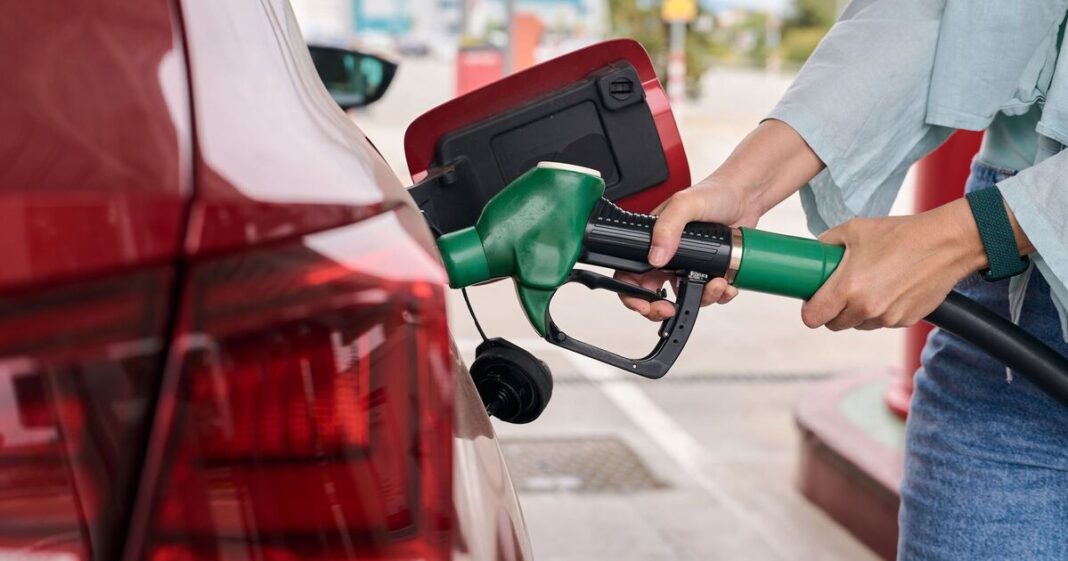

The cost of running a petrol car has dropped to about 17p per mile (Image: Getty)
A 5p per mile increase on fuel duty originally planned for September 1, 2026 will not go ahead, HMRC has confirmed.
Sir Keir Starmer, in one of his final months in charge of the country, made the decision to extend a 5p fuel duty cut which has been in place since all the way back in 2022.
Drivers are by now painfully aware of the soaring cost of petrol and diesel, with the war in the Middle East having seen petrol prices shoot up. In January, the Express reported that petrol was 134.97p per litre and diesel was 142.96p. As of Friday, May 29, petrol is currently 161.67p per litre and diesel is 183.45p, which means increases of 56p and 37p respectively since the start of 2026.
The temporary 5p cut to fuel duty was introduced by the former Conservative government in 2022, when the war in Ukraine caused oil prices to spiral. The same has since happened due to the war in Iran. Former prime minister Sir Keir Starmer extended the 5p fuel duty cut until December 31, 2026, to help with rising costs, a measure which will now be overseen by new Prime Minister Andy Burnham and his Chancellor John Healey.
VAT on road fuel is charged at 20% on top of the combined price of the product and fuel duty, with the latter standing at nearly 53p per litre.
It had been due to go back up to almost 58p per litre from Tuesday, September 1, but former Prime Minister Sir Keir Starmer announced in May that the planned rise in fuel duty from September 1 has been scrapped until at least the end of the year.
Minister for Energy Consumers Martin McCluskey said on June 1: “I know the war in the Middle East has hit drivers hard.
“While it is positive the CMA has not found evidence of retailers exploiting the conflict to line their pockets, it is clear the market is still not working as competitively as it should.
“We have stepped in to support motorists by extending the fuel duty freeze for the rest of the year, and our Fuel Finder scheme is already helping drivers find the best deals at the pump. Forecourts must play their part and report their prices, or face a fine.”
New Chancellor John Healey has pledged to keep this promise. He told The Sun earlier this month: “…Just as we, as a Government, have done for the last two years, we’ve already said there’ll be no increase in fuel duty this year.”
He added: “I know the cost of fuel is still high. I’m very aware of the Middle East, as many people are, and the way that that’s putting pressure on prices at the pumps, prices in the supermarket, just prices on stalls. So we take that into account.”
Motoring research charity, the RAC Foundation, estimated that rises in pump prices since the conflict in the Middle East began on February 28 have led to motorists paying £3 billion more for diesel and just over £1 billion more for petrol between the start date and mid-June.
The figures are based on average daily pump price rises and last year’s fuel consumption rate.
The analysis also shows that the additional VAT received by the Treasury because fuel is more expensive has reached almost £670 million between February and June.
VAT on road fuel is charged at 20% on top of the combined price of the product and fuel duty, with the latter standing at nearly 53p per litre.
Under current plans, the 5p cut will be reversed starting January 1 2027, but it is not yet clear if it will be reversed in stages (as was the original plan for the September date), or all at once.