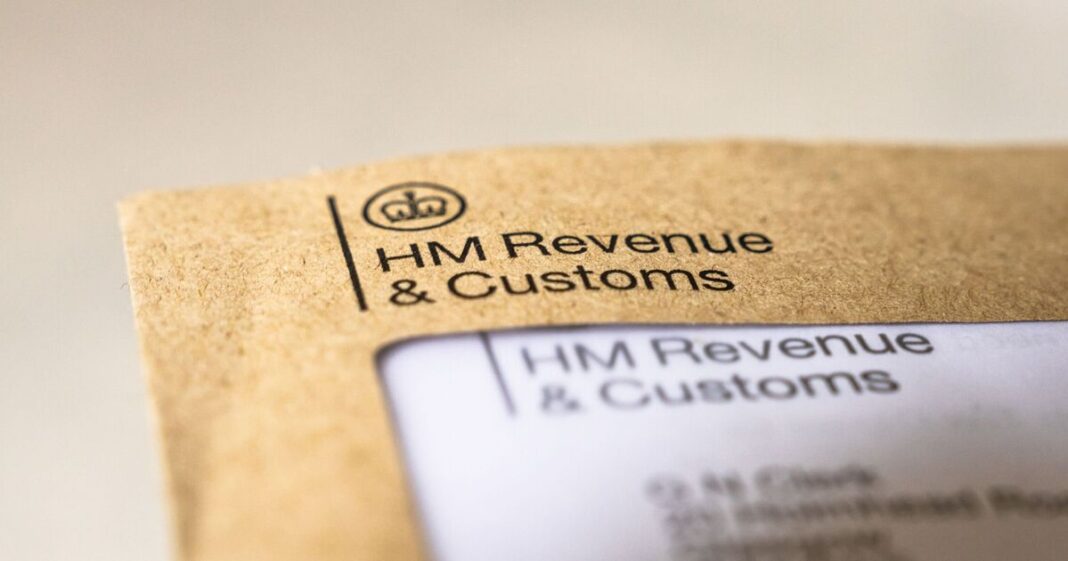

HMRC will recover Winter Fuel Payments from pensioners through extra tax charges every month (Image: Getty)
HM Revenue and Customs (HMRC) has confirmed automatic tax charges of around £33 extra per month for state pensioners with an annual income of more than £35,000. Winter Fuel Payments will begin to be paid to state pensioners born on or before June 27, 1960, from November, but not everyone who receives one will be abe to keep it.
The payments are worth between £100 and £300, but for pensioners with a total individual annual income exceeding £35,000, the money will be automatically taken back by HMRC. This will be done through extra tax charges every month until the Winter Fuel Payment has been fully recovered, with the exact amount of these extra charges determined by how much money pensioners receive.
HMRC has already begun reclaiming payments for the 2025 to 2026 tax year and sent out letters or email notifications to pensioners confirming a change in tax code in April. But if you haven’t opted out of receiving the payment this year, then your 2026 payment will start to be clawed back from January, essentially doubling the tax charge each month.
According to HMRC, for a typical Winter Fuel Payment of £200 in both 2025 and 2026, pensioners will pay up to £33 extra tax every month. If you receive a £300 Winter Fuel Payment in both years, then your extra monthly tax charges will be higher.
HMRC said: “HMRC will collect two payments through your tax code at the same time. This means you will pay more tax each month.
“Example: If HMRC is already collecting your 2025 payment, your tax code will change in January 2027 to start collecting your 2026 payment. You will pay approximately £30-£33 more in tax each month if your Winter Fuel Payment is £200 in both years.
“If you do not opt out of receiving Winter Fuel Payment, HMRC will change your tax code again in April 2027 to continue collecting your 2026 payment and start collecting your 2027 payment in advance.
“If you complete a Self Assessment tax return, you must include your Winter Fuel Payment on your tax return each year you get it. If you file tax returns online, HMRC will usually include the amount automatically. It will show as the ‘Winter Fuel Payment charge’ and will be included in your tax calculation.”
HMRC said the monthly tax deductions will “temporarily rise” to between £30 and £33 per month for a typical payment of £200 from January as it will be recovering payments for both the 2026 and 2027 winter payments in the 2027 to 2028 tax year at the same time.
The tax office added: “For the 2026 to 2027 tax year, for a typical winter payment of £200, approximately £17 per month will be deducted from a PAYE customer.
“In the tax year 2027 to 2028, deductions will temporarily rise to approximately £33 per month for a typical payment of £200. This is because HMRC will be recovering payments for both the 2026 and 2027 winter payments in the tax year 2027 to 2028.
“This supports the transition to in-year recovery of payments, in line with normal PAYE practice. From the tax 2028 to 2029 onwards, deductions will return to approximately £17 per month.”
The automatic recovery of Winter Fuel Payments for those with an annual income exceeding £35,000 applies across the whole of the UK, including in Scotland where the payment is known as the Pension Age Winter Heating Payment and in Northern Ireland where payments are made by the Department for Work and Pensions (DWP) on behalf of the Northern Ireland Executive. In all cases, recovery is handled by HMRC.
The payment recovery only applies to pensioners who exceed the income threshold and didn’t opt out of getting the Winter Fuel Payment.
The deadline to opt out of the Winter Fuel Payment in 2026 has now passed, but it will be possible to opt out of next year’s payment from December 21.
With the recovery of payments for the 2025 to 2026 tax year currently underway, HMRC warned pensioners to be on “high alert” for scams and said it will never contact people by text or email to ask them to repay their Winter Fuel Payments, or to request bank details.
Myrtle Lloyd, HMRC’s chief customer officer, said: “Criminals are great pretenders and often use fake letters, emails, calls and texts to impersonate HMRC and trick people into giving them money.
“I’d encourage anyone who’s unsure to use our online tool at GOV.UK to check whether and how their payment will be recovered – there’s no need to call us.”