Published on
January 20, 2026

Sikkim is steadily redefining its tourism landscape by embracing adventure sports as a driver of sustainable regional growth, a shift underscored by the launch of the Rhenock Sikkim Paragliding Accuracy Championship 2026. Hosted in the highland terrain of Pakyong district, the event introduced organised paragliding to the Rhenock area, signalling the state’s intent to develop experience-based tourism rooted in its natural environment.
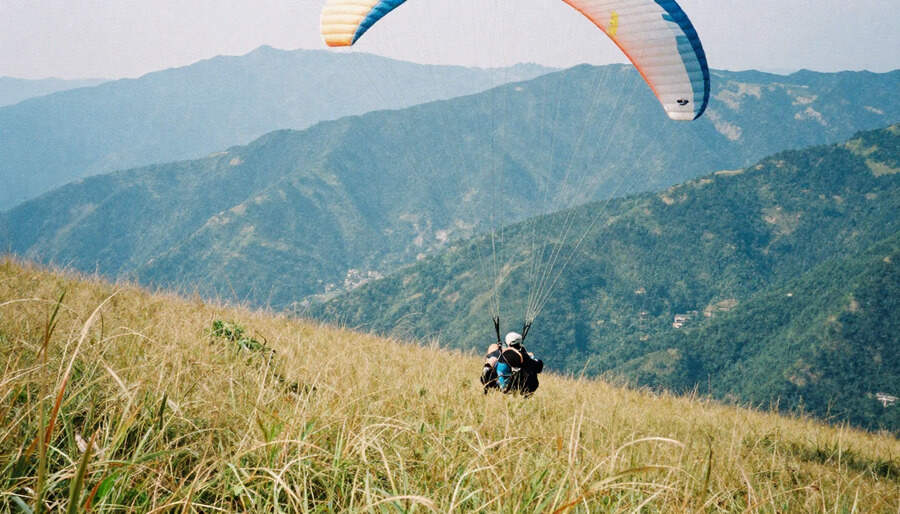
The championship was conducted at Thumki Dara and Amba Dara, two elevated sites offering expansive take-off points and clear landing zones. These locations provided ideal conditions for accuracy-focused paragliding, allowing participants to demonstrate precision flying in a controlled setting. The event marked a departure from conventional tourism activities by highlighting the potential of aerial sports in the eastern Himalayan region.
Developed through coordination between a local tourism body and the state’s tourism and civil aviation authorities, the initiative reflected a broader strategy to create tourism opportunities beyond established destinations. Rural and lesser-known regions such as Rhenock are increasingly being positioned as future tourism nodes, where small-scale, high-value activities can deliver economic benefits without overwhelming local ecosystems.
Paragliding was selected for its compatibility with the region’s geography and sustainability goals. The sport requires limited permanent infrastructure, relies on natural wind patterns, and accommodates smaller visitor groups, making it suitable for environmentally sensitive landscapes. By introducing accuracy-based competition, the championship also emphasised discipline, safety, and technical skill rather than spectacle alone.
The event served as a practical demonstration of how adventure tourism can be developed responsibly. Operational aspects such as site management, weather monitoring, safety protocols, and pilot coordination were closely observed to assess readiness for long-term activity. These evaluations are essential for building confidence among stakeholders and ensuring that tourism growth remains controlled and safe.
Local participation formed a key pillar of the championship’s broader vision. Residents were encouraged to view adventure tourism as a community-linked opportunity rather than an external enterprise. Homestays, eco-friendly lodging, transport services, food outlets, and ground support roles were identified as potential avenues for local involvement, helping to retain tourism revenue within the region.
Cultural preservation and environmental care were positioned as non-negotiable elements of future tourism development. Rhenock’s identity is closely tied to its natural surroundings, traditional livelihoods, and rural character. Tourism planning in the region aims to protect these attributes by promoting responsible visitor behaviour, limiting environmental impact, and maintaining harmony between tourism activity and daily life.
The championship also highlighted the expanding role of sports in social and economic development. Adventure sports introduce young people to specialised skills that extend beyond recreation, including risk assessment, technical training, teamwork, and environmental awareness. These skills can support career pathways in tourism, outdoor education, and safety management.
Infrastructure development associated with the event focused on functionality rather than scale. Improvements to access routes, safety zones, communication systems, and open training spaces were prioritised to support both sporting activity and local use. Such infrastructure investments are designed to serve communities year-round rather than being limited to occasional events.
Extensive preparation preceded the championship, including surveys to analyse wind consistency, terrain conditions, and environmental sensitivity. These assessments helped identify suitable launch and landing points while minimising ecological disturbance. Long-term planning also considered the need for certification, training standards, and regulatory compliance to support future paragliding operations.
From an economic perspective, paragliding offers a flexible tourism product capable of operating across seasons when weather conditions permit. Employment opportunities extend beyond pilots to include instructors, safety personnel, logistics support, equipment handling, and visitor services. Indirect benefits arise through accommodation, transport, food supply, and local entrepreneurship.
The championship contributed to destination visibility by introducing Rhenock to adventure tourism audiences. Events centred on skill-based sports often attract a niche but high-value visitor segment, including enthusiasts, professionals, and tour operators seeking new locations. Over time, such exposure can help establish the region as a recognised paragliding destination within the Himalayan belt.
Competition formats included individual and group accuracy categories, encouraging both personal skill development and team coordination. Participants demonstrated controlled descents and precise landings, reflecting a growing professionalism in paragliding standards. The formal conclusion of the event reinforced its status as an organised sporting initiative rather than a one-time promotional activity.
Looking ahead, the inaugural championship is expected to act as a foundation for expanding adventure tourism in Rhenock. With continued emphasis on safety, training, community participation, and environmental safeguards, the region has the potential to host regular paragliding activities and future competitions.
As Sikkim continues to explore innovative tourism models, the Rhenock paragliding championship stands as an example of how adventure sports can be integrated into rural development strategies. By aligning tourism growth with ecological sensitivity and community benefit, the initiative reflects a shift toward quality-focused tourism that values long-term sustainability.
The introduction of organised paragliding in Rhenock represents more than a new tourism product. It signals a broader transition toward diversified, responsible tourism that leverages Sikkim’s natural advantages while protecting its cultural and environmental foundations. With careful planning and continued collaboration, adventure sports could become a lasting contributor to the state’s tourism and development landscape.